Unilever creator network tests influencer logistics at scale
Unilever’s 300,000-person creator network reveals how influencer marketing is becoming a logistics, automation, and brand-control challenge for brands.
Atlas Newsdesk ·
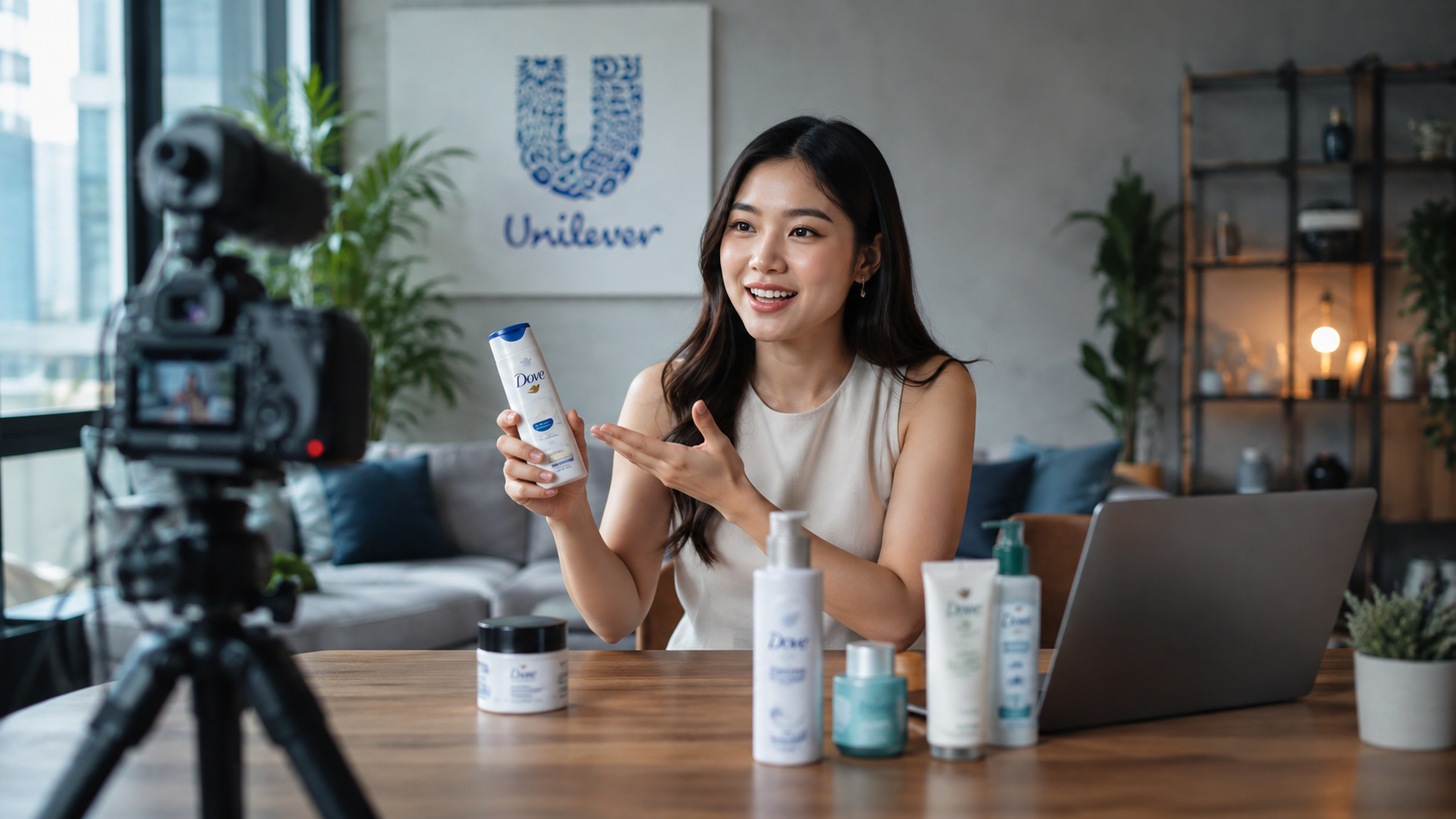
Unilever creator network now spans about 300,000 people, testing how far a global marketer can scale influencer campaigns. It used 50,000 at the FIFA World Cup.
On its second-quarter earnings call, Unilever said the World Cup creators had a combined audience of more than 600 million people. Chief Executive Officer Fernando Fernández recently credited creator work for company growth, making the network part of Unilever’s investor-facing marketing story.
World Cup stress test
The tournament was the first major event after Unilever’s stated pivot toward creator-led marketing. The company described a program that combined partnerships, immersive experiences, match attendance and mobile activations across markets.
Ryu Yokoi, Unilever’s chief media and marketing capability officer, said the event supported the company’s view that global scale works best when paired with local relevance. That framing turns creators from a media add-on into a distribution system for brand messages in different communities.
300,000 does not mean one room
Unilever said the 300,000 figure refers to an active global network, but it has not detailed how many creators are working at any one time. The company said management differs by market, campaign type and individual creator, with in-house teams, agencies and experiential programs sharing the workload.
For a company with many brands across many countries, the network is more likely a set of smaller market and brand pools than a single roster. Unilever said high-profile creators are used for longer relationships, while smaller accounts are deployed to add reach around cultural moments.
Automation brings scale and sameness
Agency executives said automation can reduce friction in vetting, contracting, briefing and review. Gabe Feldman, co-founder and managing partner of The Now Agency, said scaling even to thousands of creators can affect a company’s internal operating model.
Olivia Ormos, founder of MAVN, said AI-driven searches risk pushing brands toward the same creators when tools rely on similar audience and engagement filters. She also said emerging creators may be missed if selection is driven by ranking lists rather than creative judgment.
Feldman said efficient workflows should not crowd out decisions shaped by relationships, pitches or fast-moving trends. His warning points to a central tension for Unilever: the more the network is standardized, the harder it may be to preserve surprise.
Brand safety meets creative drift
Content approval is another pressure point. Unilever said there is no single central approval process, with review changing by creator management model.
That decentralization can help local teams avoid a uniform voice, but it also creates a governance problem for brands with different guidelines and campaign objectives. Brad Hoos, CEO of The Outloud Group, warned that large-scale creator programs can produce a “race to the mean” in creative output.
Leandro Barreto, chief marketing officer for Unilever’s beauty and wellbeing business group, said creator size changes the work itself. “It’s very different to work with a creator with 300 million followers and work with the other 150,000 with 1,000 followers,” he said at Cannes Lions.
Three paths for creator marketing
If Unilever keeps the network active and measurement improves, creator marketing may become a repeatable operating system rather than a campaign add-on. For Unilever, that would support faster local execution; for the sector, it would push agencies and platforms toward more automated planning, compliance and payment tools.
If consumer spending weakens, the same network could become a cost-control tool, with brands shifting work from large productions to smaller creator briefs. The macro effect would be limited but visible through advertising budgets; Unilever would gain flexibility, while agencies exposed to labor-heavy campaign management would face fee pressure.
If automation narrows discovery, the program could lose the cultural relevance it is designed to buy. The open question is whether Unilever can measure creator effectiveness across brands without turning creative selection into a spreadsheet exercise.