Canada GDP rebound gains speed as energy output rises in May
Canada GDP is tracking a 3.4% annualized second-quarter rebound, challenging recession fears as energy output and rate-sensitive sectors recover.
Jason Kwon ·
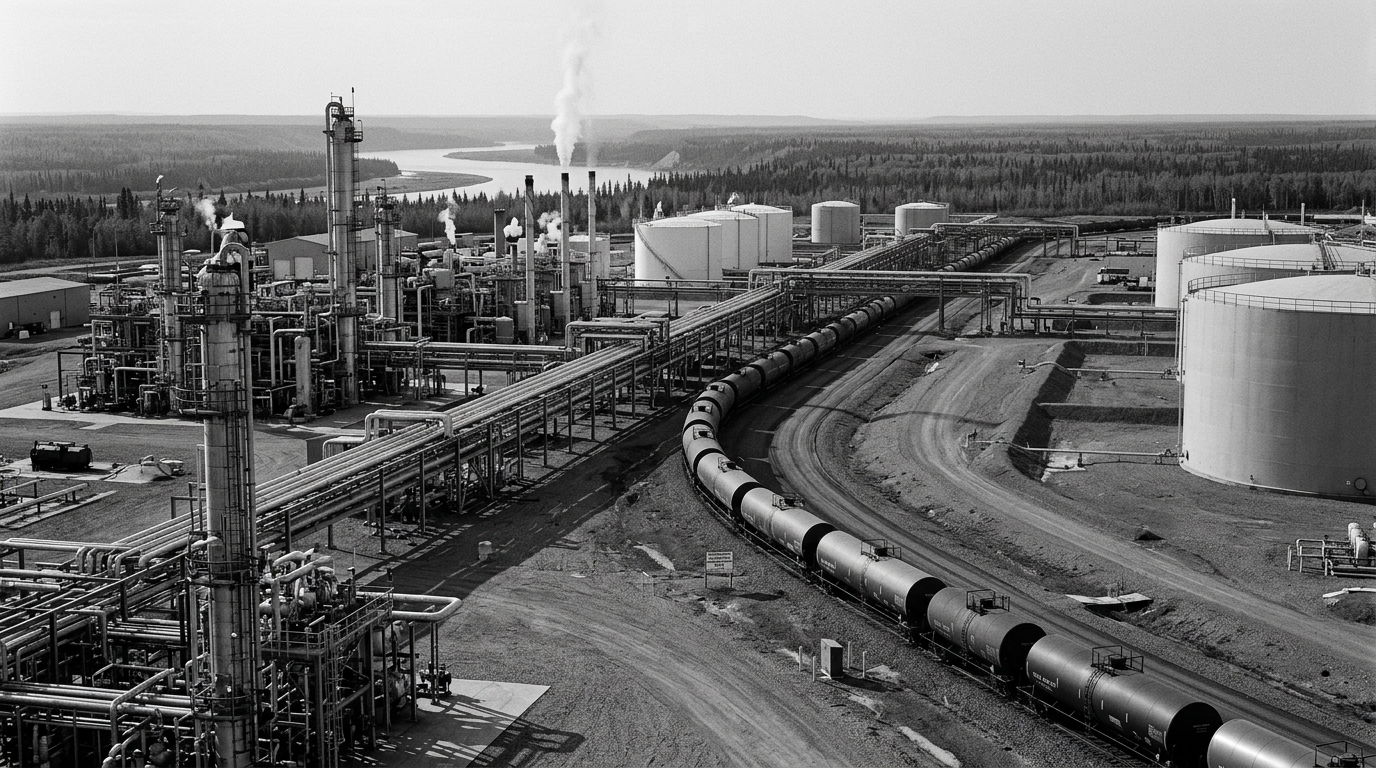
Canada GDP is set for a stronger second-quarter rebound after May output grew 0.3%, led by oil, gas and other goods industries.
The early second-quarter signal came from Statistics Canada’s industry-based output data, which pointed to real gross domestic product growing at a 3.4% annualized pace from April through June. The Bank of Canada’s July monetary policy report had put second-quarter growth at 2.5%, though that estimate uses expenditure-based measures rather than industry output.
May output resets the quarter
Statistics Canada said the economy expanded 0.3% in May, beating expectations for a 0.2% increase. The agency also issued an advance estimate showing a further 0.2% gain in June, giving the quarter a cleaner growth profile than the central bank had penciled in.
The rebound follows a stretch of weak activity tied in the source data to U.S. tariffs and slower population growth. It is also likely to cool recession talk after contractions in the final quarter of 2025 and the first quarter of this year, though the final June figure and expenditure-based GDP will matter for confirmation.
Oil volumes drive goods gain
Goods-producing industries rose 0.6% in May, with gains spread across several areas. Services-producing industries grew 0.2%, helped by real estate and rental and leasing activity, a sign that the rebound was not confined to resource extraction.
Mining, quarrying and oil and gas extraction grew 1%, the strongest increase among the major industry groups cited by Statistics Canada. A separate agency report said crude oil production volumes were the highest for any May in data going back to 2016, alongside elevated global demand as conflict in the Middle East created supply constraints.
Andrew Dicapua, an economist with the Canadian Chamber of Commerce, put the breadth more bluntly in an email: "The economy is not just surviving, but thriving," he said. "And it’s not just an energy story this time, with interest-rate sensitive sectors reviving."
Markets test rate assumptions
The Canadian dollar weakened after the release, falling as much as 0.3% to 1.4050 per U.S. dollar before trimming the move. The currency still remained higher for the week, while bonds sold off across maturities and the two-year note touched 2.9%.
The market reaction matters because stronger output can complicate the rate debate even when growth is still uneven. For the Bank of Canada, the issue is whether May and June show a durable demand recovery or a temporary lift from energy volumes and rate-sensitive sectors.
Three paths from June data
If Statistics Canada’s 0.2% June advance estimate is confirmed, Canada’s macro story shifts from recession risk toward stabilization. For the Bank of Canada, that would support a more cautious reading of slack in the economy; for energy, real estate and related suppliers, it would validate a broader second-quarter rebound.
If June is revised lower or tariff pressure weighs again, the rebound becomes narrower and less useful as a signal for policy. In that case, the global macro effect would be limited, the Bank of Canada would have less evidence of sustained momentum, and cyclical sectors would face a weaker demand backdrop.
If the energy boost fades as global supply constraints ease, the burden shifts to services and domestic demand. The next official markers are the final June industry output estimate and the second-quarter expenditure-based GDP data, which will show whether the 3.4% tracking estimate survives cross-checking.