UK Defence Strategy Faces Pressure to Shift from Global Projection to Domestic Security
A new report urges the UK to pivot its planned £151 billion defence budget from global military interventions toward domestic security to improve fiscal…
Lauren Collins ·
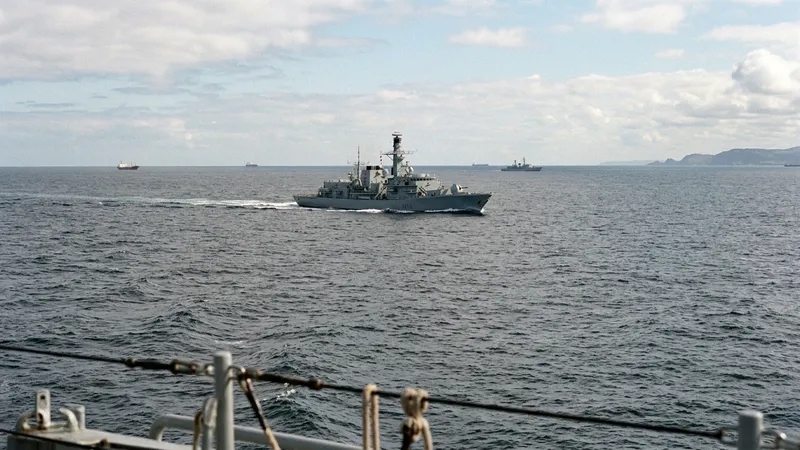
The United Kingdom’s current military posture faces scrutiny regarding the efficiency of its planned expenditure increases. Analysis indicates that approximately 23% of the annual defence budget, exceeding £14 billion, is currently allocated to overseas commitments and strategic hubs across five continents. This level of international deployment represents the highest concentration of overseas-oriented military activity among European NATO members.
Government policy aims to increase defence spending to 3.5% of GDP by 2035, representing a nominal budget expansion from £70 billion in 2026 to £151 billion. Critics argue that maintaining this global force projection, coupled with existing procurement inefficiencies, risks misallocating public investment. There is growing institutional pressure to pivot these resources toward domestic defence and European regional security.
Historical data shows that military interventions in Iraq, Afghanistan, and Libya have incurred costs exceeding £51 billion since 2001. Policymakers are now evaluating whether the current strategic focus on global policing aligns with national security priorities or exacerbates fiscal waste. Future budget allocations remain subject to potential revisions as the government balances international obligations against domestic economic constraints.