Ukraine protests over defence shake-up test Zelensky’s wartime coalition
Protests over the dismissal of a reformist defence minister entered a fifth day on Monday, adding political strain in Kyiv as President Volodymyr Zelensky…
Claire Dubois ·
# Ukraine protests over defence shake-up test Zelensky’s wartime coalition
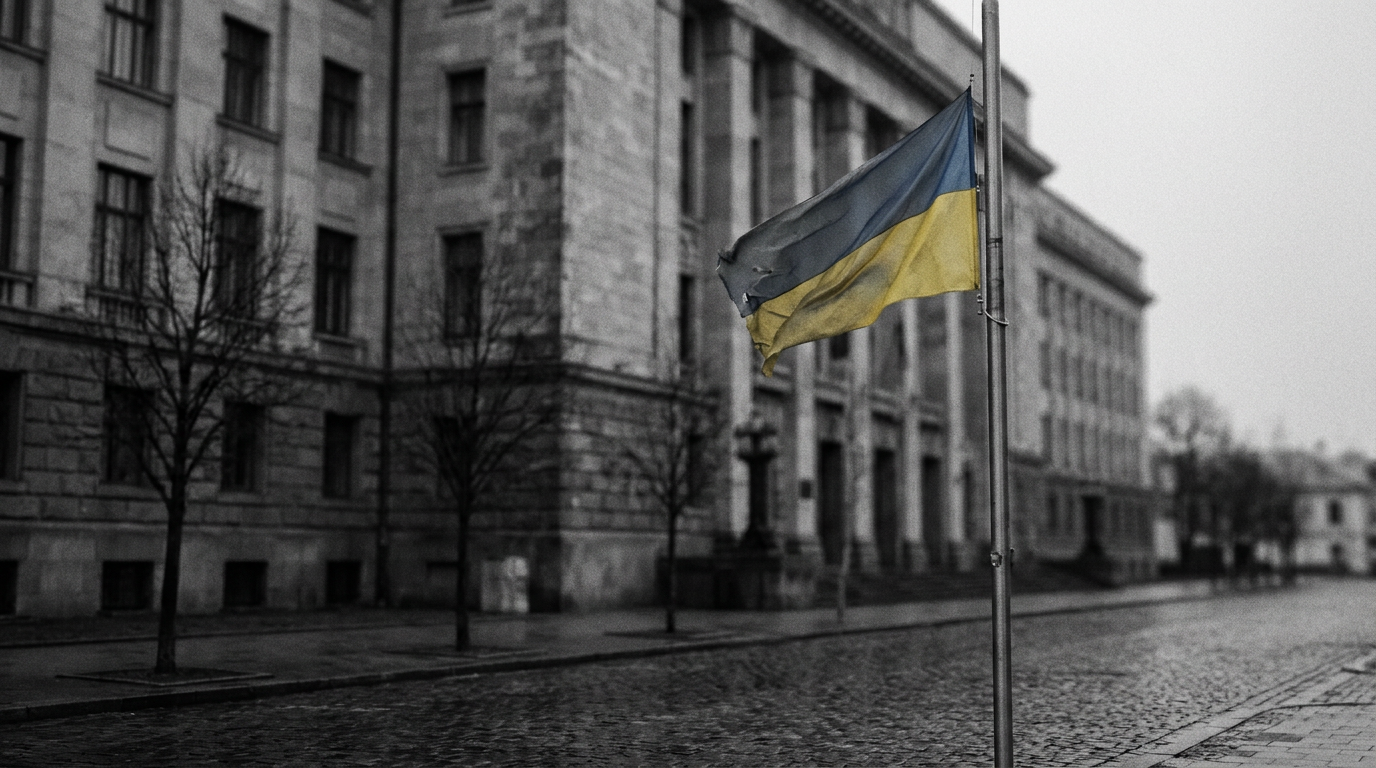
Protests in Ukraine over the dismissal of a reformist defence minister entered a fifth day on Monday, adding a domestic political test to the country’s wartime posture. The demonstrations have deepened a crisis that is increasing pressure on President Volodymyr Zelensky to overhaul military leadership.
The immediate flashpoint is the reported dismissal itself and the symbolism attached to it: reform versus wartime command discipline. With Ukraine fighting a full-scale war, public disagreement over senior defence appointments is unusually visible, and it comes at a time when decision-making speed and trust in institutions matter as much as battlefield tactics.
Ukraine’s wartime governance has been built on a basic political bargain: maintain national unity and keep the military effort insulated from partisan conflict. That bargain is harder to sustain when personnel changes at the top are read by parts of the public as a reversal of reforms or a consolidation of power.
In Ukraine’s system, the president sits at the centre of national security decision-making, while the defence ministry and top military command translate political direction into operational reality. Disputes over who controls strategy, procurement, mobilisation, and oversight can quickly become proxy fights about competence, accountability, and the balance between civilian authority and military autonomy.
What it means for the euro area
For the euro area, Ukraine’s internal political stability is not a distant matter. EU institutions and member-state governments have tied financial assistance, military support, and longer-term reconstruction planning to the assumption that Kyiv can sustain coherent governance under stress. If leadership turmoil weakens policy continuity, it can complicate European decision-making on the timing and structure of support packages.
There is also a market channel. Heightened political uncertainty around a major war on Europe’s doorstep can feed into risk sentiment, influence defence-sector order expectations, and affect energy and commodity narratives even without an immediate supply shock. The practical question for euro-area policymakers is whether Ukraine’s political strains raise the probability of a prolonged conflict, which would keep security spending elevated and maintain pressure on fiscal choices across member states.
A clear, falsifiable signpost is whether the protests broaden or fade as Kyiv clarifies its leadership plans. By 2026-08-04, the situation will look meaningfully different if the government either reverses or publicly justifies the dismissal with a credible transition plan for military leadership, and demonstrations shrink accordingly; it will look worse if protests persist or grow and are matched by visible splits among political elites or security institutions, signalling a deeper crisis of wartime governance.