Ukrainian Drone Strike Cripples Key Russian Oil Refinery
A Ukrainian long-range drone strike hit a refinery in Nizhnekamsk, Russia on Aug. 10, 2026, killing 12 and injuring 39, officials said.
Atlas Newsdesk ·
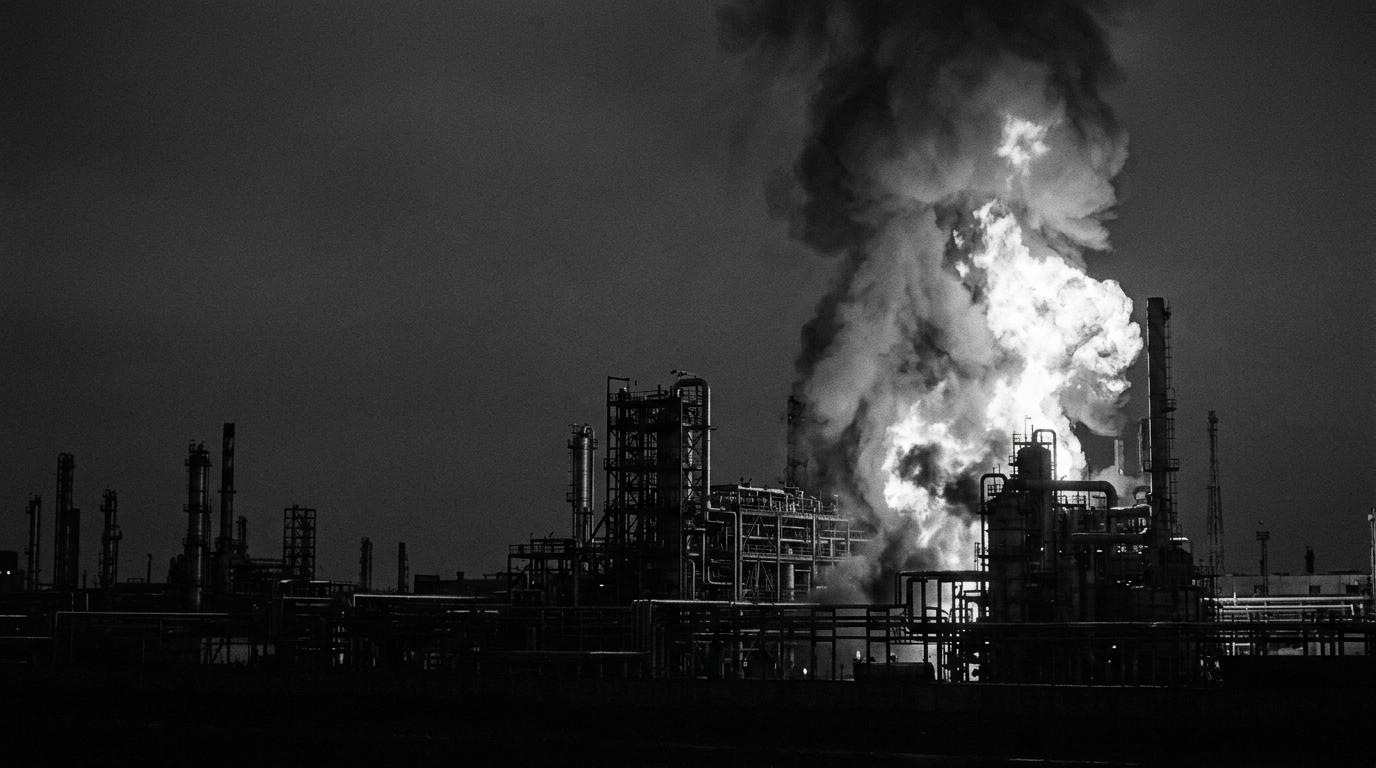
Ukrainian forces carried out a long-range drone attack on an oil refining facility in Nizhnekamsk, Russia, on August 10, 2026, Russian authorities said. Officials reported 12 people were killed and 39 were injured in what they described as a major incident at critical industrial infrastructure.
The facility is located roughly 1,000 kilometers from the Ukrainian border, underlining the reach of the operation. The strike added to pressure on Russia’s energy system by hitting assets positioned far from the main combat zones.
Nizhnekamsk strike adds pressure on energy logistics
Officials and public statements described the operation as part of Ukraine’s approach to disrupt Russian energy infrastructure and, by extension, economic output. By focusing on refining capacity, the intent is to complicate fuel supply chains and strain logistical support systems that rely on steady deliveries of refined products.
Russian authorities said air defenses intercepted 456 drones. Even with those reported interceptions, the damage reported at the Nizhnekamsk site highlighted that large industrial targets inside Russia remain exposed to long-range threats.
Casualties and disruption at an industrial site
The reported death toll of 12 and injuries to 39 made the incident one of the deadliest single events tied to drone warfare since the conflict began in 2022, based on the characterization in the information available. The scale of casualties also signaled that attacks on infrastructure can produce significant human impact, not only economic disruption.
There was no additional detail provided in the available information on the extent of operational downtime, the volume of production affected, or the timeline for restoration. Those factors are likely to determine how lasting the disruption will be for fuel distribution networks linked to the facility.
Long-range UAV tactics and air-defense strain
The mechanism described for the operation relied on long-range unmanned aerial vehicles intended to pass through regional air-defense coverage. Such missions emphasize distance, route planning, and saturation to reach protected industrial sites, according to the description of the attack method.
The attack also illustrated how both sides are increasingly tying battlefield objectives to economic pressure. Ukrainian planners, as described, are using strikes on energy assets as a lever aimed at raising the domestic cost of the war for the Russian state.
Uncertainty over next steps and broader pattern
Analysts referenced in the information available expected continued targeting of energy infrastructure in the months ahead, as both sides seek to impose economic attrition to influence strategic outcomes. However, the pace, selection of targets, and the effectiveness of defensive measures remain uncertain.