Ukraine hits Russian oil sites near Saint Petersburg
Ukrainian officials said strikes targeted oil infrastructure after a deadly Russian barrage on Kyiv earlier this week.
Mateo Fernandez ·
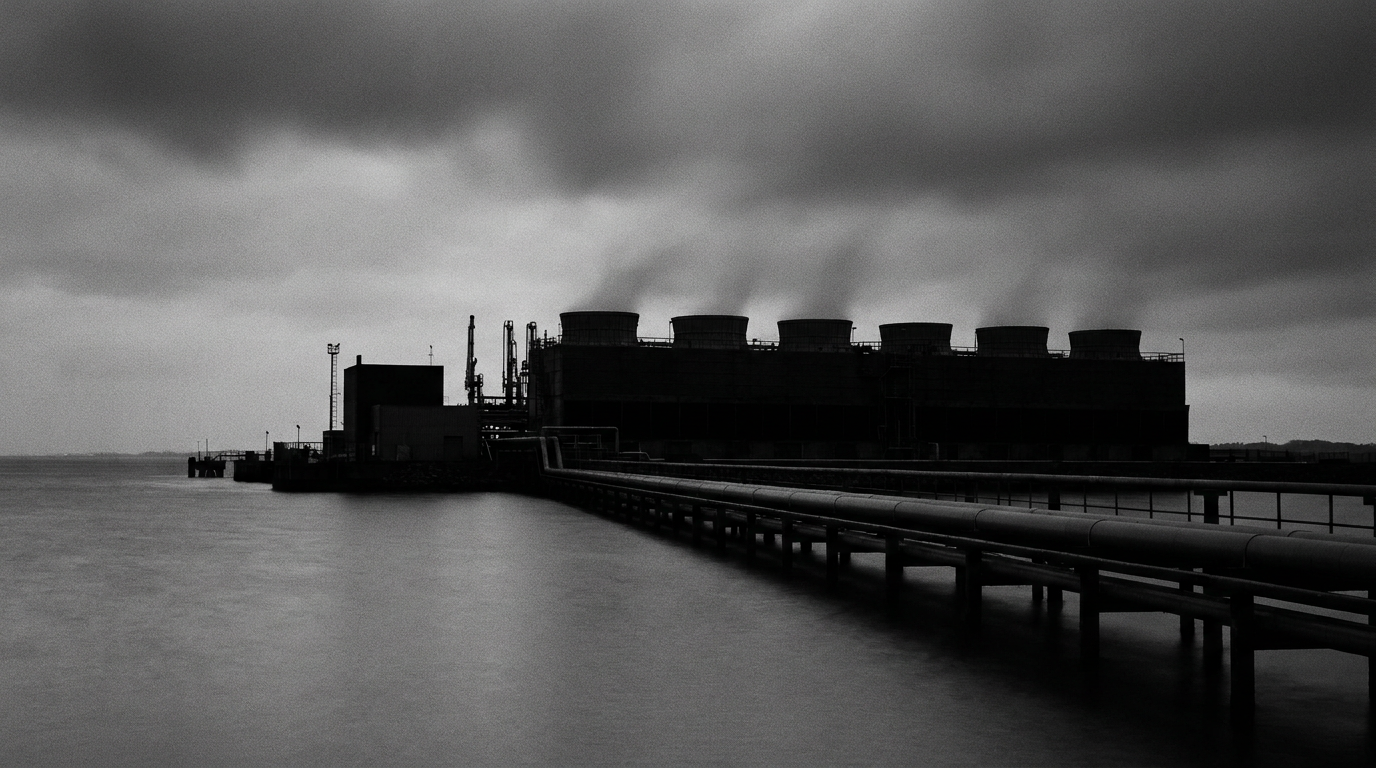
Ukraine struck oil infrastructure sites near Saint Petersburg, Ukrainian officials said Saturday, extending the war’s pressure on Russian energy assets far from the front line. Reaction pending.
The strikes followed a Russian drone and missile barrage on Kyiv earlier this week that killed at least 30 people and hit more than 20 locations across the capital, officials said. President Volodymyr Zelenskyy linked Ukraine’s latest actions to the need to answer attacks on civilian areas and military pressure from Moscow.
Saint Petersburg oil assets targeted
The reported strikes matter because oil infrastructure remains one of the clearest channels through which the war can touch global energy markets. If damage is limited and operations resume quickly, the macro effect is likely to stay contained, with traders treating the attack as another episode of geopolitical risk rather than a supply shock.
If the disruption proves larger, the mechanism changes. Damage to storage, refining or export-linked assets near a major Russian city could add a risk premium to fuel markets, complicate logistics for Russian producers and force wider industry reassessments of infrastructure security.
For Ukraine, the immediate company-level target is not a listed firm named in the payload but Russia’s energy system itself: refineries, depots and transport nodes that support state revenue and military supply. For the wider sector, the risk is escalation by repetition, where each successful long-range strike raises insurance, routing and security costs around Russian energy flows.
The next checkpoint is the 24-hour window through July 5, 2026, when officials, satellite imagery or company statements may clarify damage, outages and whether Russia responds with another large-scale strike.