Ukraine’s Air Defense Reserves Near Critical Breaking Point
Ukraine air defense interceptor stocks are shrinking as Russia logged 126 ballistic launches in July 2026, pushing Kyiv toward strikes on launch systems.
Atlas Newsdesk ·
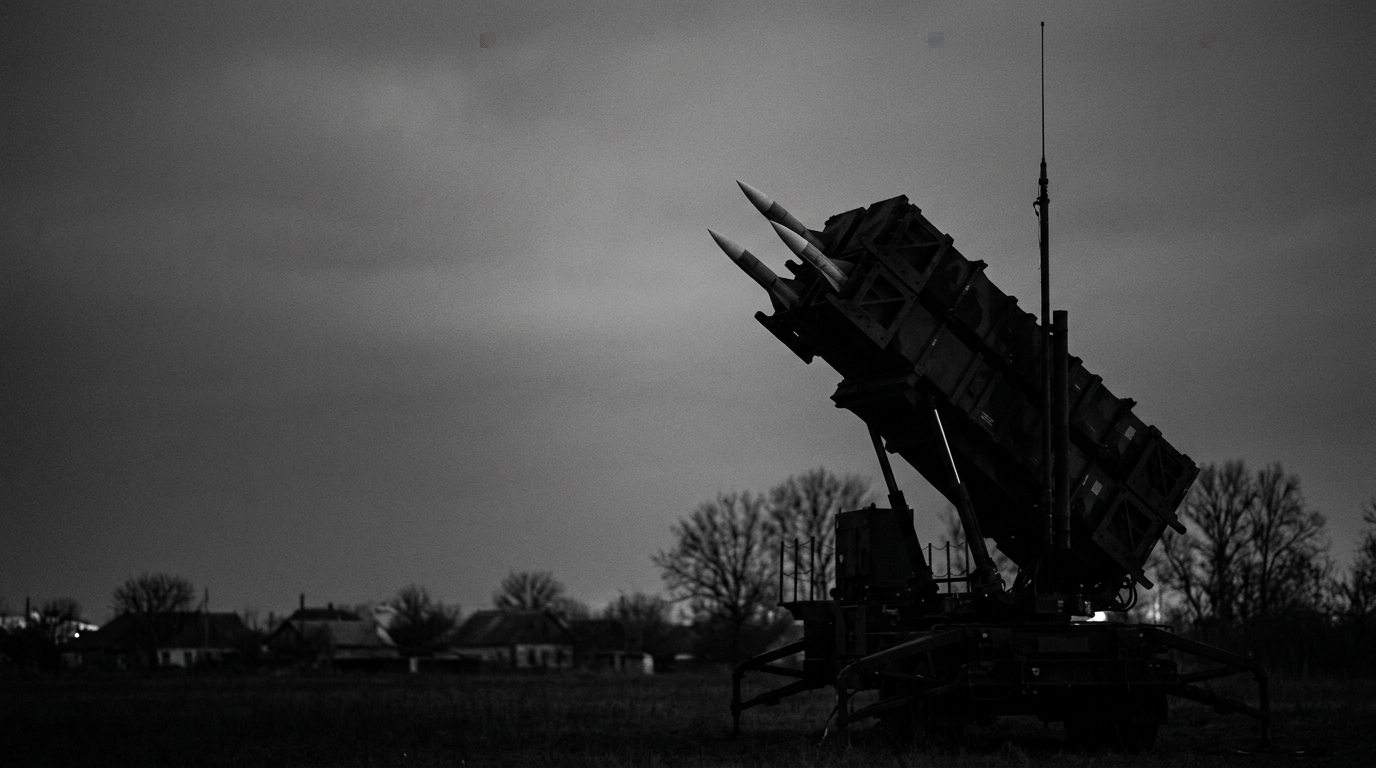
Ukraine is running dangerously low on air defense interceptors as Russia expands its use of ballistic missiles, with July 2026 marking a sharp escalation in launches. Officials and data cited in the source material indicate Russia carried out a record 126 ballistic missile launches in July, a pace that has strained Ukraine’s existing defenses and increased pressure on cities and critical facilities.
The intensified strikes have coincided with heavy civilian losses. Around 400 civilians were reported killed during July alone, according to the source material, as the higher volume of attacks has made it harder to intercept incoming missiles consistently. With winter approaching, the same shortage is leaving key infrastructure more exposed at a time when repairs and continuity of services become more difficult.
US stockpile constraints and delayed production
United States
The supply problem is linked to a bottleneck in the United States, where Patriot interceptor stocks have fallen steeply amid competing international security requirements. The source material states that stockpiles dropped from 2,300 units in February to roughly 800, reducing the pool available for transfers or sustained support.
Near-term relief is limited by manufacturing timelines. Domestic increases in US production are not expected until 2030, according to the source material, leaving a multi-year gap between demand and new supply.
This constraint is central to why Ukraine is struggling to replace expended interceptors quickly enough to match the current tempo of missile attacks. Limits on European resupply and Kyiv’s shifting approach European partners are described as reluctant to draw down their own reserves, further tightening the options for replenishment.
As a result, Kyiv is effectively unable to rebuild its interceptor inventory in the near term, even as strike volumes remain high.
Facing this defensive impasse, Ukrainian leadership is shifting toward a more offensive method aimed at reducing Russia’s ability to launch ballistic attacks. Instead of relying primarily on interception, the approach focuses on disabling launch platforms and related systems inside Russian territory to suppress strike capacity at the source.
Strikes on launch systems and the surveillance requirement
The source material points to a recent example: the destruction of an S-400 system in the Bryansk region. Kyiv’s stated objective is to reduce the threat by targeting assets linked to the missile campaign, attempting to lower the volume of incoming fire that air defenses must absorb.
However, the shift also raises new operational requirements. The source material emphasizes that this approach depends on stronger surveillance and expanded drone use to find, track, and strike launch-related targets. It also reflects an assessment that defensive interception alone has become insufficient against the rising frequency of Russian ballistic missile attacks.