UK food imports face climate-linked produce price risks
UK food imports cover about 40% of supply, the Food Foundation said, warning heat-stressed exporters and domestic heatwaves could lift produce prices.
Mateo Fernandez ·
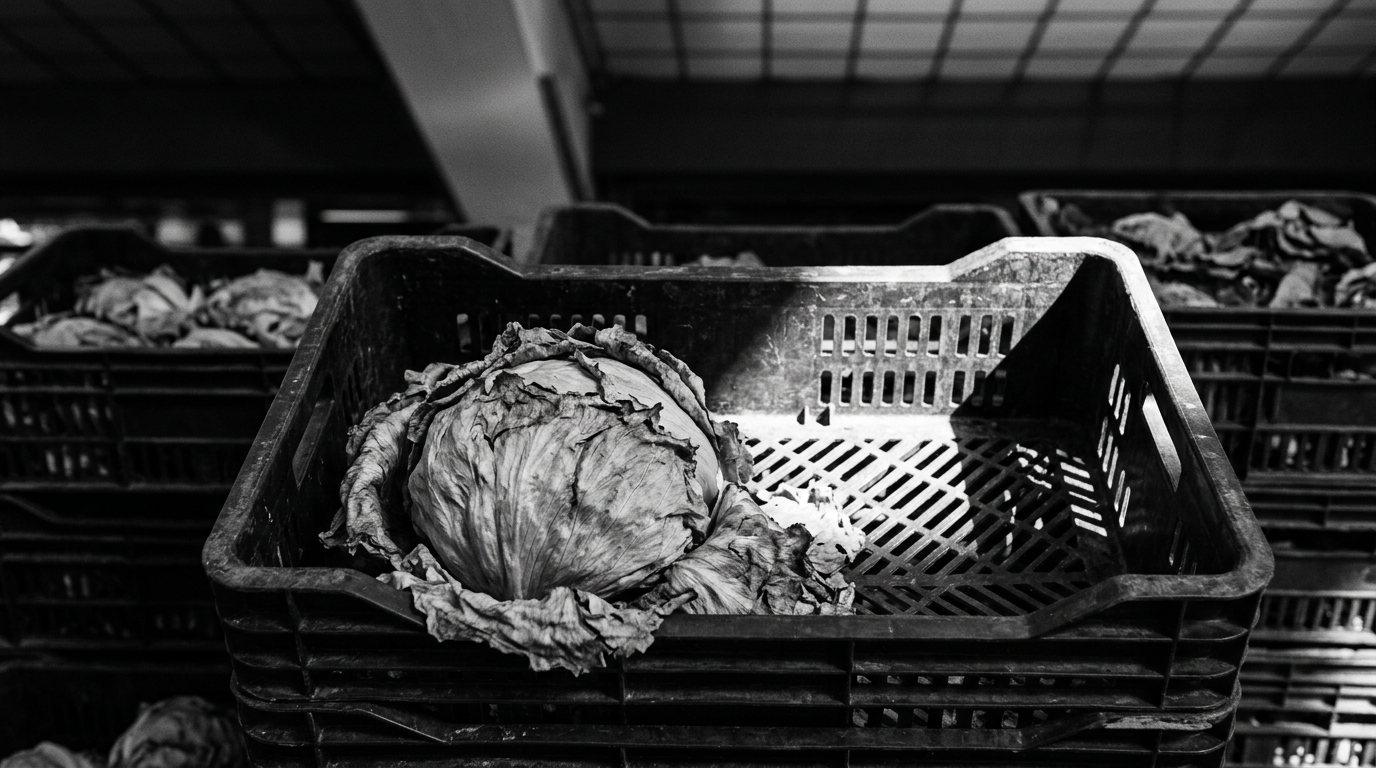
The UK’s reliance on imported food is leaving it more exposed to climate-related supply shocks, the Food Foundation said, as extreme heat affects key fruit and vegetable suppliers and the UK’s own harvests.
The Food Foundation said the UK imports about 40% of its food. That dependency, it warned, can amplify risks when exporting countries face heat, drought, or wildfire that reduces output and disrupts supply chains.
Heat stress across suppliers and the UK harvest
According to the report, a significant share of Britain’s fruit and vegetable supply comes from countries that have experienced record heat, drought and wildfire this year. The Food Foundation said these conditions can lower yields, add logistics constraints, and reduce the availability of produce for export.
The report also pointed to domestic pressures, saying the UK endured five heatwaves that harmed UK yields. With production affected both abroad and at home, it said the likelihood rises that exporters may curb shipments, leaving less product available to UK buyers.
How supply shocks can move into UK grocery prices The Food Foundation said reduced output can translate into tighter availability of soft commodities, particularly when stress is concentrated among a limited number of supplier regions. It said this type of concentration can quickly tighten supply and turn seasonal price spikes into broader grocery inflation.
The UK
The repoSources said supply-chain disruption can travel through multiple channels, from lower yields to logistical bottlenecks, and can reach UK markets over weeks. It warned that wholesale and retail prices for fresh produce could rise if volumes fall or transport and handling become more constrained.
Buyer behaviour and contract shifts
The repoSources said supermarket buying patterns and wholesale contracting could adjust as buyers look for alternative origins or seek forward cover. It said such shifts can add upward pressure to spot pricing during the season, particularly when demand is being re-routed toward fewer available sources.
The Food Foundation said the risk is not limited to a single point in time, and linked the outlook to ongoing weather conditions. It said that if hot, dry conditions persist into the autumn harvest by October 31, 2026, exporters may curb shipments, which would tighten UK supplies and increase the risk of price shocks for fruit and vegetables.
Uncertainties and pending reaction
The Food Foundation’s warning highlights the dependence of UK fresh produce availability on climate conditions across multiple countries as well as domestic yields. However, the report did not set out which exporters might curb shipments, how quickly alternative sources could be secured, or the scale of potential price increases.
Reaction to the report was pending, according to the source material.