President Trump and Iran disagree on Hormuz traffic
President Trump said the strait was open while Iranian officials said it remained closed, a split that could slow tanker transits and affect oil markets.
Mateo Fernandez ·
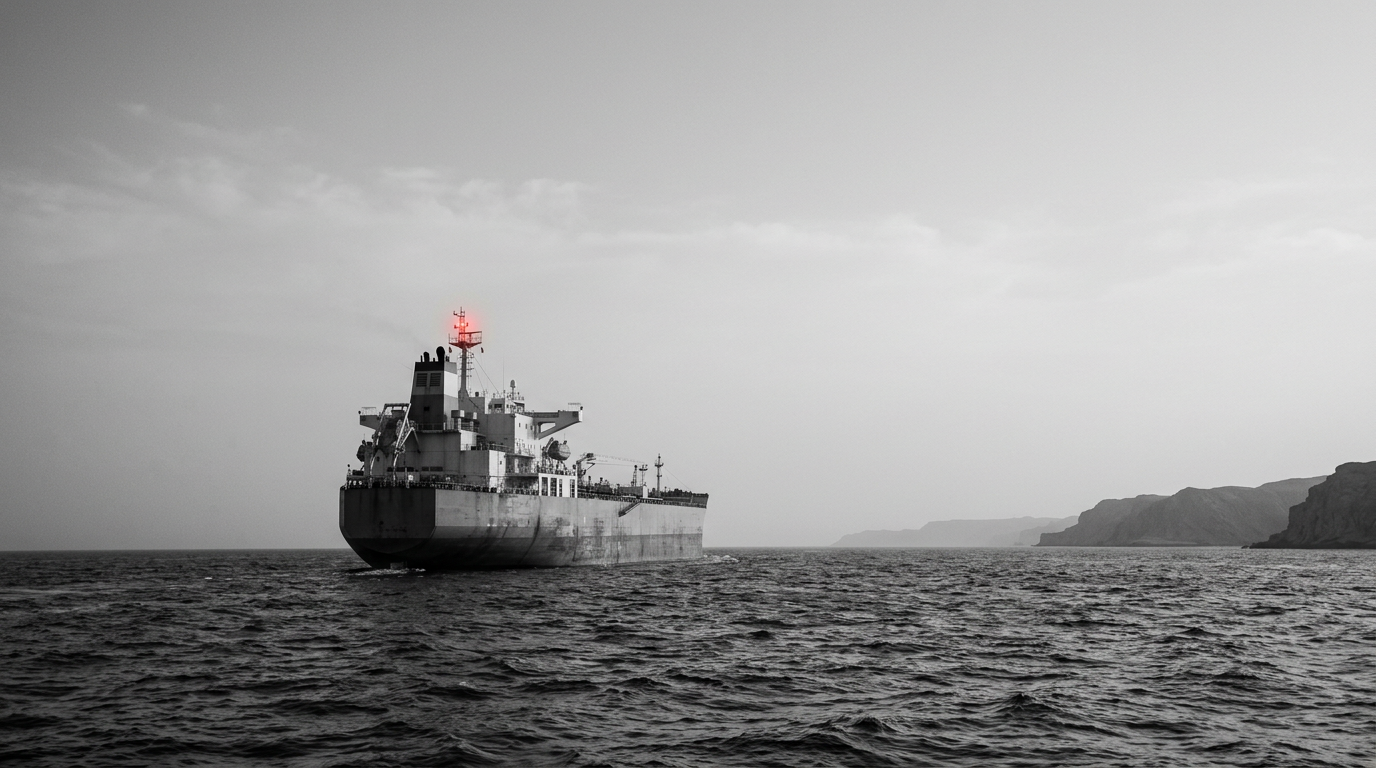
President Trump said on August 19, 2026 the Strait of Hormuz was open, at odds with Iran and raising the prospect of slower tanker traffic and oil-supply disruption.
Iranian officials said the waterway remained closed to shipping; officials warned that movements were limited, complicating flows through the narrow Gulf exit.
US and Iran statements diverge
Officials said any sustained slowdown in transits may raise freight costs and reduce immediate crude availability for buyers dependent on Gulf exports. Shipping and trading officials said tighter tanker capacity typically filters through to higher bids for physical cargoes.
Shipping insurers and charterers watch for closures because higher risk can push up insurance premiums and time-charter rates, which add to delivered fuel costs, officials said. Market reaction is still pending while verification continues.
Ports and refiners in the region could face delayed cargoes or altered delivery schedules; shipping and energy officials said that would shift volumes between trading hubs and affect prompt pricing curves.
The strait is a narrow maritime choke point used for large volumes of crude headed to Asia and Europe; any interruption can force longer voyages or increased pipeline use, tightening physical balances, analysts said.
Markets will watch whether Iran reopens the strait by August 21, 2026; if it remains closed past that date, officials warned, tighter seaborne supply and higher insurance premiums could lift benchmark crude prices.