Iraq Oil Exports Shift to New Routes from Sept 1
Iraq approved three-month oil export contracts from Sept 1 to use multiple outlets, aiming to reduce reliance on Hormuz-disrupted Gulf terminals.
Mateo Fernandez ·
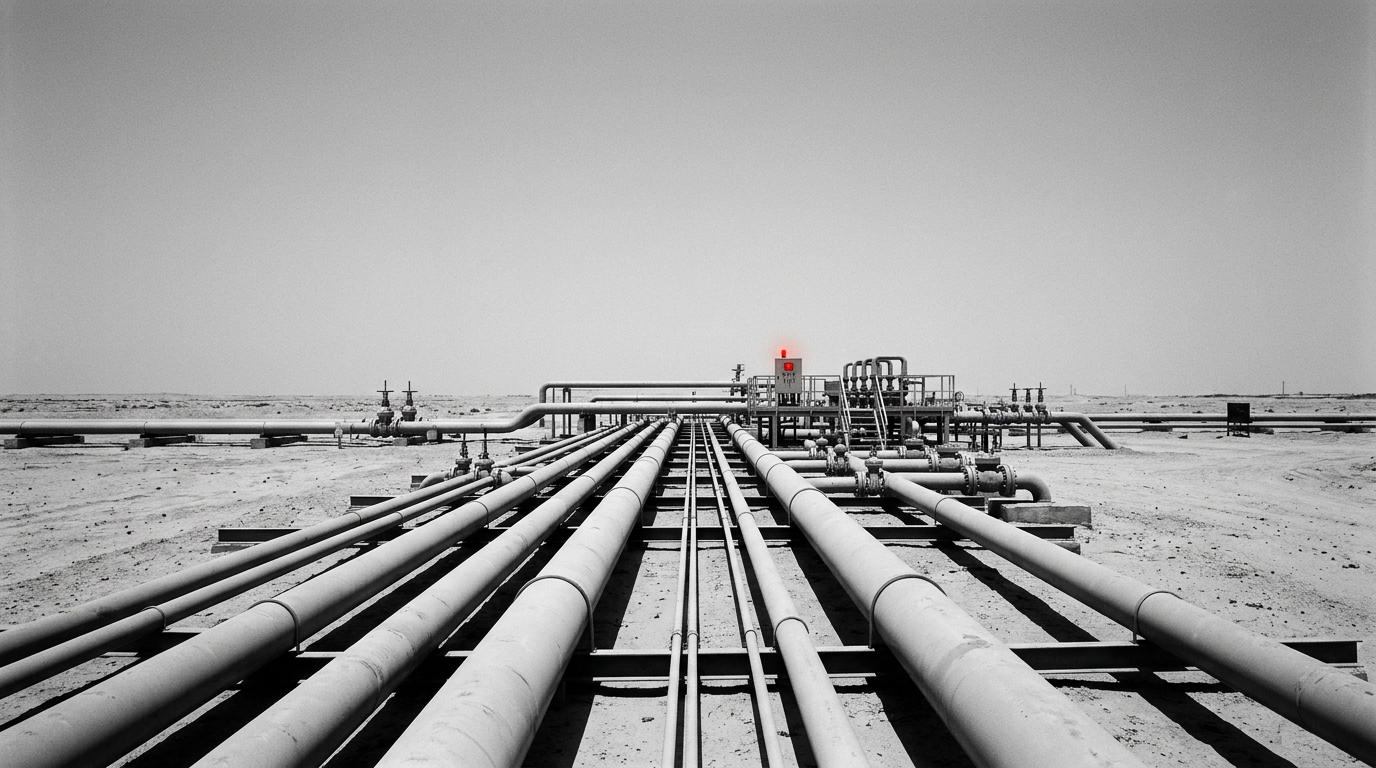
Iraq’s cabinet has approved a mechanism that would allow specialised international and local firms to export crude through multiple outlets under three-month contracts starting Sept 1, officials said.
Officials said the move is designed to give Baghdad more flexibility in how it markets and moves crude after the closure of the Strait of Hormuz disrupted regional shipping and highlighted the country’s reliance on southern Gulf terminals.
Alternative corridors cited Cabinet framework: three-month contracts and multiple outlets Under the approved framework Under the approved framework, selected firms would be able to handle exports under contracts lasting three months, with the first term beginning Sept 1, officials said. Officials did not identify which companies will be chosen. They also did not provide export volumes or specify which alternative outlets would be covered under the mechanism. Alternative corridors cited, including Turkey and Syria Officials said the government has been working on additional export corridors to reduce dependence on Gulf shipping. They cited routes through Turkey and Syria among the options being developed. While the cabinet’s decision sets out a mechanism While the cabinet’s decision sets out a mechanism, the operational details remain unclear ahead of the Sept 1 start date. Officials and market participants are expected to seek clarity on company awards, volumes and destination outlets by then, according to the officials.
Break from state-only marketing channels
Officials said bringing in outside firms represents a Officials said bringing in outside firms represents a departure from state-only marketing channels. They described it as a tactical shift intended to diversify both logistics and buyers.
Iraq’s export profile makes it particularly exposed to disruptions around Hormuz-linked routes. Officials noted that Iraq ships most exports from southern terminals and depends heavily on crude sales for state revenue, leaving the country sensitive to any sustained interruption.
Traders watch for volume shifts away from southern terminals Traders will be watching whether the three-month contracts result in material volumes being redirected away from southern terminals, officials said. They said such a shift could reduce concentration risk around Hormuz even if broader regional supply conditions remain tight.
For now, the cabinet decision leaves key uncertainties unresolved, including which firms will be selected, how much crude would be covered, and which outlets would be used. Those specifics will shape how quickly the new mechanism translates into physical flows once the contracts take effect on Sept 1.