UK Housing Costs Hit Record £226 Billion in 2025
UK households spent a record £226 billion on housing in 2025, a 41% rise in five years, driven by higher mortgage interest payments.
Atlas Newsdesk ·
Households across the United Kingdom allocated a record £226 billion towards housing expenses in 2025, marking a substantial 41% increase over the preceding five years. This significant rise was primarily driven by escalating mortgage interest payments, which surged by 9% to reach £53.6 billion in 2025. The data, compiled by property firm Savills and released on Monday, highlights the growing financial burden on UK residents.
Mortgage holders, particularly those transitioning from expiring fixed-rate agreements, experienced considerable payment increases. The average annual mortgage payment for these borrowers reached approximately £13,000. This component alone constituted over half of the total increase in housing costs observed during the period.
Mortgage and Rental Cost Dynamics
The overall housing expenditure, which encompasses both mortgage repayments and rental outlays, expanded by £66 billion over the five-year span. While the rate of increase moderated in 2025 to 3.6%, or £8 billion, compared to more significant jumps of £22 billion in 2023 and £19 billion in 2024, the impact of elevated interest rates on mortgage payments remains a critical factor.
Rental costs also contributed to the overall rise, increasing by 2.75% to £112 billion in 2025. Private renters faced a cumulative 27% increase in their housing expenses over the past five years, underscoring broad inflationary pressures within the housing sector.
Regional Disparities in Expenditure
Geographical analysis reveals varied impacts across the UK. London, despite recording the smallest percentage increase in overall housing costs at 36% over five years, still accounted for a significant 23.4% of Britain's total housing expenditure. This indicates the disproportionate cost burden in the capital.
Conversely, regions such as the North West experienced a 49% increase in housing costs over the same period. Both the North East and Eastern England also saw substantial rises, with increases of 45% each. These regional differences highlight varying economic pressures and housing market dynamics across the country.
Interest Rate Environment
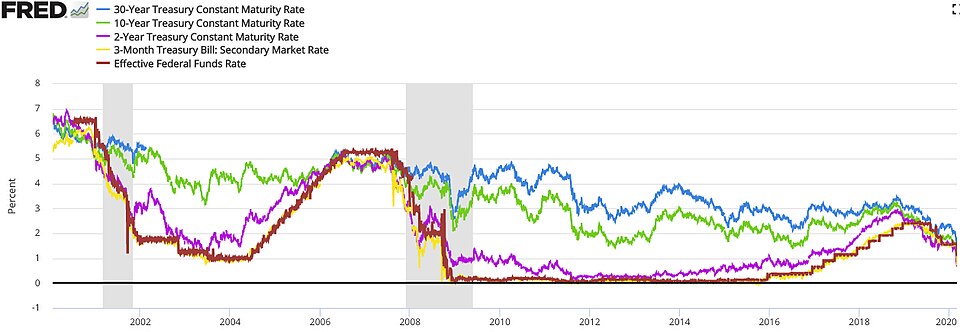
The broader economic context of rising interest rates has directly influenced these housing cost trends. 84% in February. This upward adjustment by lenders reflects the prevailing monetary policy environment and its direct transmission to consumer borrowing costs. The Bank of England's efforts to curb inflation through higher rates have had a clear and measurable effect on household finances, particularly for those with variable-rate mortgages or those needing to refinance.
Implications
Country Impact: The record housing costs could strain household budgets across the UK, potentially reducing discretionary spending and impacting broader economic growth. This financial pressure may also exacerbate wealth inequality and affordability challenges.
Industry Impact: The property and financial services sectors face continued adjustments. Lenders may see increased demand for refinancing, while property developers could experience shifts in demand patterns due to affordability constraints. The rental market is likely to remain competitive.
Market Impact: Increased housing costs, particularly mortgage payments, could influence consumer confidence and retail spending. This may lead to a cautious outlook for equity markets, while bond markets could reflect expectations of sustained inflation and interest rate policy.