Eagles rookie Uar Bernard calls for Nigeria academies to build NFL pathway
Philadelphia Eagles rookie Uar Bernard is calling for the NFL to establish formal training academies in Nigeria to develop untapped talent.
Mehmet Şahinoğlu ·
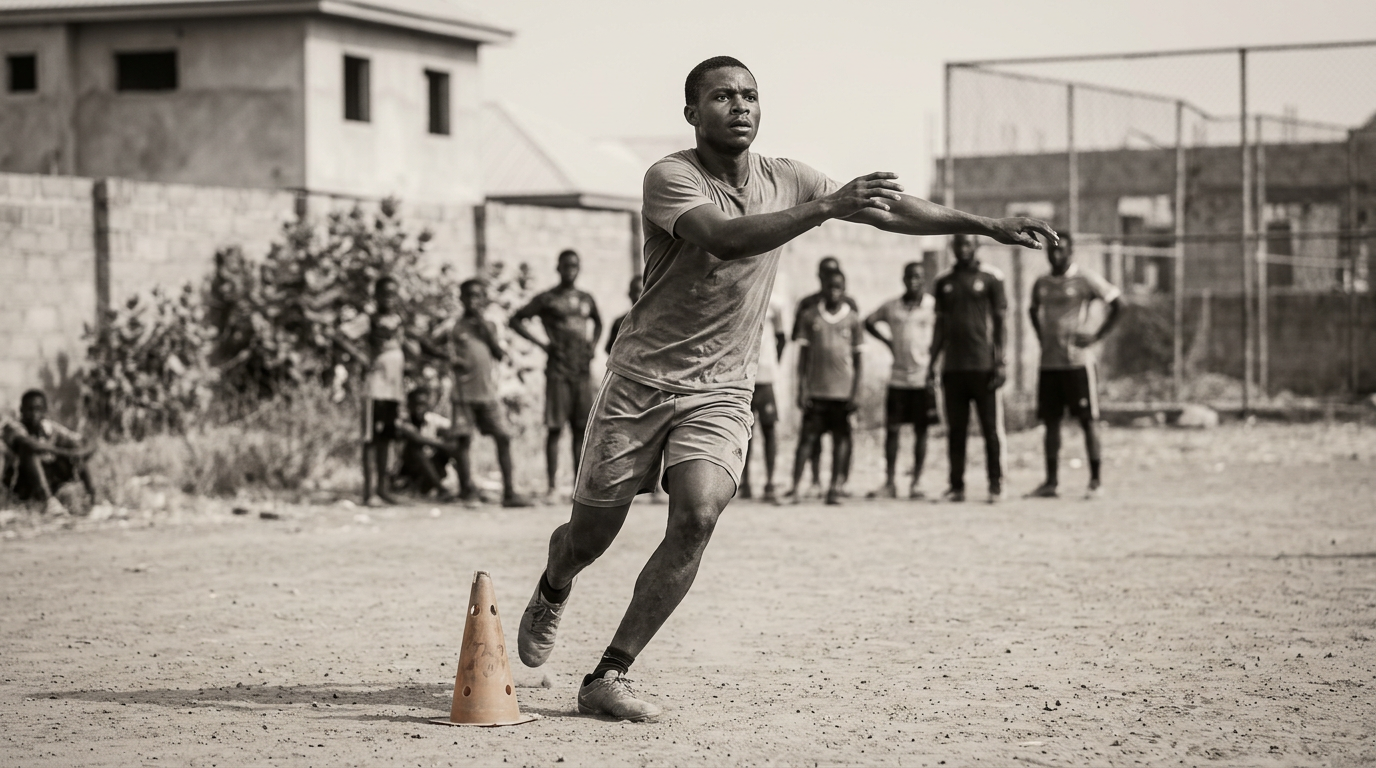
Philadelphia Eagles defensive tackle Uar Bernard has urged the NFL and its clubs to invest in American football awareness, coaching and academy structures in Nigeria, saying the country’s talent pool is being missed without an organised pathway. Bernard, a 2026 seventh-round draft pick, said stronger local support would give prospects a clearer route into the sport and improve how prepared players are when they reach NFL evaluation settings.
His comments come as the league continues to expand its international reach through programmes designed to identify and develop players outside the United States. Bernard said Nigeria could produce more NFL-calibre athletes if there were more entry points into the sport, including trained coaches and formal development environments.
Bernard also described the challenges of developing without a domestic system in place, saying his early training depended on improvisation and self-guided work. He said he used makeshift equipment to practise pass-rush movements, a gap he believes academies and local coaching could help close for future prospects.
Nigeria as a test case for structured international development
Bernard’s path to the Eagles highlights how much international recruitment can still depend on individual initiative rather than consistent local structures. For personnel departments, academy-style development could shorten the learning curve by giving athletes technical instruction earlier, rather than asking them to make that jump only after entering league-run or club-supported programmes.
The NFL already operates the International Player Pathway programme, which has served as a key entry route for many international prospects. Bernard said academy investment in Nigeria would complement that model by building earlier-stage training and identification, potentially increasing the number of players who are ready when they reach the league’s development channels.
Bernard framed the idea as both a football project and an access issue, arguing that organised coaching and facilities would widen participation and give more athletes the chance to pursue the sport seriously.
What teams would watch to justify investment
Any broader push to build Nigeria-based infrastructure would likely hinge on measurable outcomes for clubs, including whether prospects like Bernard can develop into professional contributors. If Bernard earns a consistent role in Philadelphia, it could strengthen the internal case that targeted investment in West African scouting, coaching and training networks can produce a sustainable talent corridor.
For now, Bernard’s remarks add to the wider discussion about moving from occasional international discoveries to repeatable systems that make the pathway clearer for athletes in countries where the sport is still emerging.
Next attention will focus on how Bernard progresses after being drafted and whether his development becomes a reference point in future conversations about Nigeria-focused programmes.