UAE strikes Iran: Abu Dhabi uses jets to protect interests
UAE strikes Iran in covert attacks, targeting oil sites and signaling Abu Dhabi's willingness to use military force to protect Gulf economic interests.
Lauren Collins ·
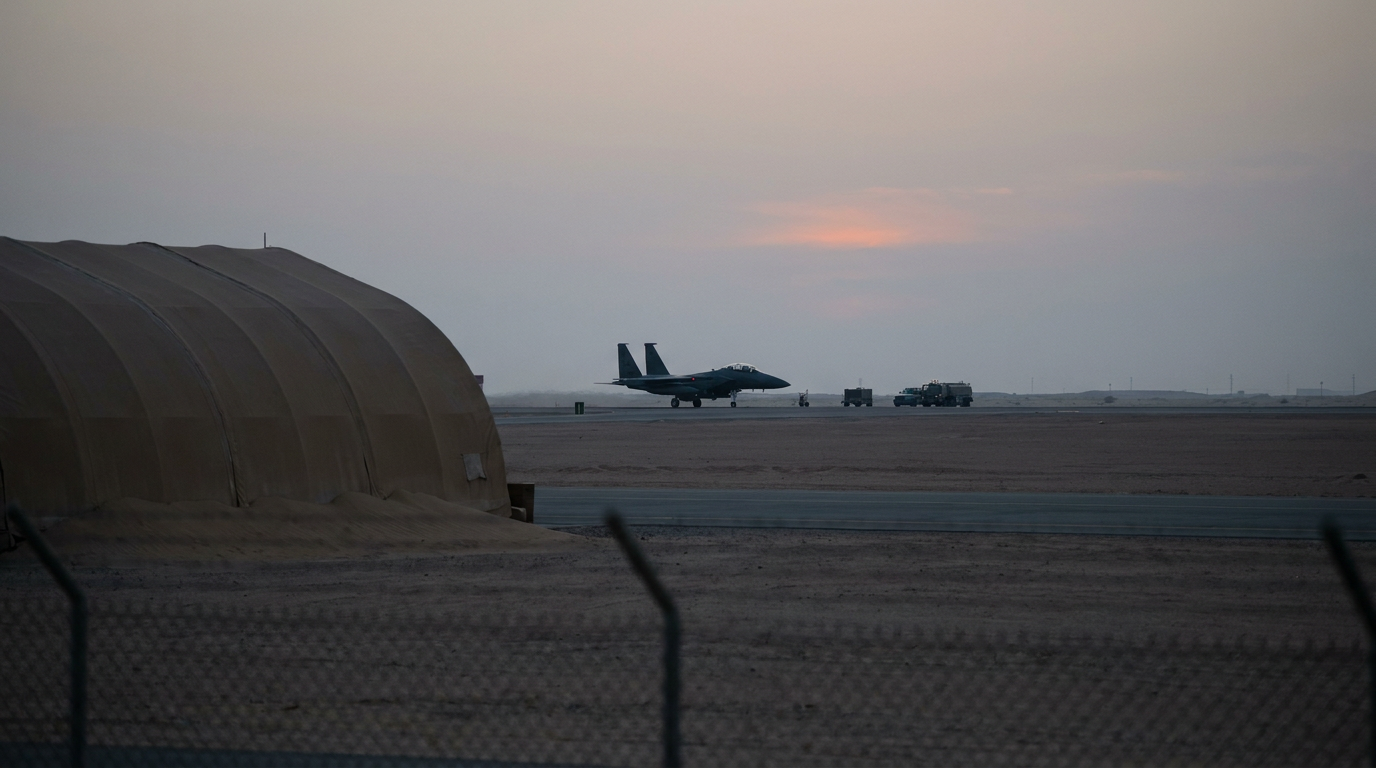
UAE strikes Iran in covert attacks on oil sites, signaling Abu Dhabi's willingness to use its military to defend Gulf economic interests.
Attack and immediate fallout
People briefed on the matter say the United Arab Emirates carried out several strikes on Iranian targets, including an early-April assault on a refinery on Lavan Island in the Persian Gulf.
The attack ignited a large blaze and removed much of the refinery's output for months, according to the sources. Iran characterized the incident as an enemy strike and launched missile and drone counterattacks against the U.A.E. and Kuwait.
Capabilities and implied intentions
The U.A.E. fields Western-made jet fighters, modern surveillance networks and other advanced systems that make such operations feasible. The reported strikes indicate a growing readiness in Abu Dhabi to employ those assets to defend its economic power and regional influence.
Officials in Abu Dhabi have not publicly acknowledged the operations. The U.A.E. Ministry of Foreign Affairs declined to comment but referenced prior statements affirming the state’s right to respond, including militarily, to hostile acts.
Sources said Washington did not publicly object to the refinery strike because a cease-fire announced by President Trump had not yet stabilized the situation after a recent five-week air campaign. The U.S. has privately welcomed Gulf participation in the campaign, one source added.
Context and strategic implications
The strikes mark a notable shift in Gulf security dynamics, with a smaller regional power taking a direct combat role against Iran rather than limiting responses to diplomatic or defensive measures. Abu Dhabi’s actions follow years of trilateral and multilateral security cooperation with Western partners.
Economic targets such as oil and refinery infrastructure have outsized strategic impact; damage to Lavan Island’s processing capacity created supply disruptions and underscored the vulnerability of maritime energy nodes. Iran’s retaliatory strikes broadened the conflict footprint to include Gulf soil and airspace.
Regionally, the U.A.E.’s involvement could encourage closer operational coordination among Gulf states and Western allies, but it also raises the prospect of further escalation. The balance between deterrence and escalation will shape near-term calculations in Tehran, Abu Dhabi and Washington.
What to watch next: confirmation of additional strikes, public statements from U.A.E. military leaders, and any formal shifts in U.S. posture or coalition activity in the Gulf. Diplomacy remains a key avenue to limit further kinetic exchanges.
Implications include heightened military readiness across the region, potential risks to commercial shipping and energy markets, and the prospect of a more assertive U.A.E. posture in Middle East security affairs. Observers will gauge whether Abu Dhabi’s actions represent episodic responses or a sustained change in strategy.