UAE Seeks U.S. Financial Backstop Over Iran War Fears
UAE discusses a possible U.S. financial backstop after raising Iran escalation risks in Washington last week, sources said.
Jason Kwon ·
The United Arab Emirates has raised concerns in Washington about the financial risks it could face if tensions with Iran escalate, according to sources familiar with the discussions. As a major global financial center, the UAE is focused on protecting investor confidence and limiting the chance of capital outflows. Officials have warned that a sharp deterioration in regional security could pressure the country’s foreign currency reserves.
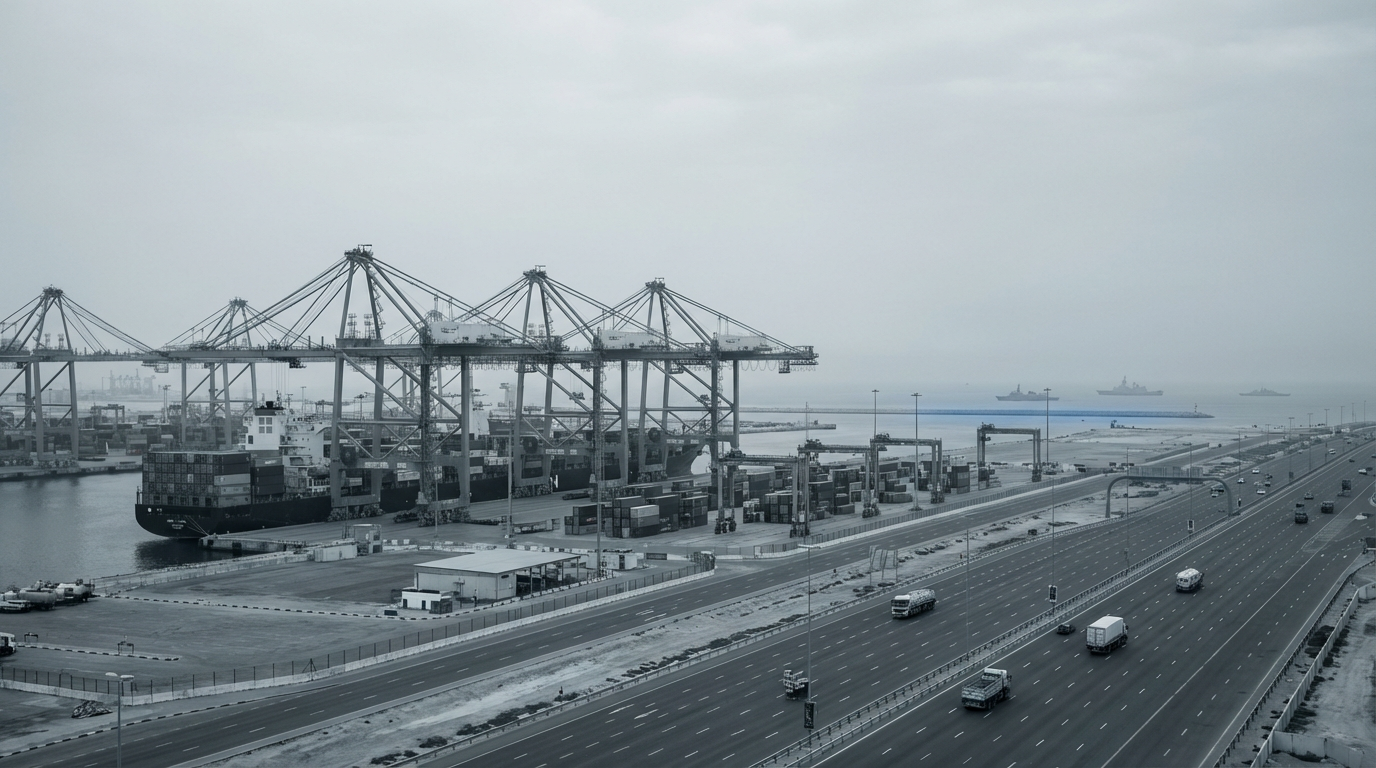
Those worries come as regional conflict has already created operational strain, sources said. The situation has affected the UAE’s oil and gas infrastructure and constrained its ability to move crude through the Strait of Hormuz. The waterway is a central route for energy exports that generate dollar-denominated revenue, making any disruption a direct concern for liquidity and external balances.
The issue was formally brought up by UAE Central Bank Governor Khaled Mohamed Balama during meetings in Washington last week, sources said. U.S. officials involved in the talks included Treasury Secretary Scott Bessent and representatives from the Federal Reserve. The discussions were described as high-level and focused on potential ways to reduce financial stress if conditions worsen.
Sources said the UAE has not submitted a formal request for a swap line. Instead, Emirati officials have been testing how open the United States might be to providing support, framing the conversations as early-stage exploration of possible financial safeguards. The aim, according to the people familiar with the matter, is to understand what tools could be available in a scenario where market confidence weakens and dollar funding becomes harder to secure.
In making their case, Emirati representatives have tied their current position to earlier U.S. policy choices, arguing that decisions taken by the Trump administration drew the UAE into a damaging regional conflict. Sources said this argument was part of the broader effort to explain why the UAE views external financial support as relevant to its stability planning.
The talks also carried an implicit message about currency choices in trade, according to sources. Emirati officials suggested that if dollar availability became constrained, they could be pushed toward settling oil sales and other transactions in alternative currencies, including the Chinese yuan. Such a move, they indicated, would touch a sensitive area of U.S. financial influence because the dollar’s global role is closely linked to its dominant use in international oil trade.
Key uncertainties remain, including whether the discussions will progress beyond preliminary soundings and what form any U.S. support could take. For now, sources characterized the engagement as exploratory, with the UAE seeking clarity on Washington’s willingness to act as a financial backstop under heightened regional risk.