UAE Implements 'Cope Cages' to Protect Key Oil Storage
On August 23, 2026, the UAE began installing steel 'cope cages' around critical oil, gas, and aviation facilities to defend against drone attacks.
Mateo Fernandez ·
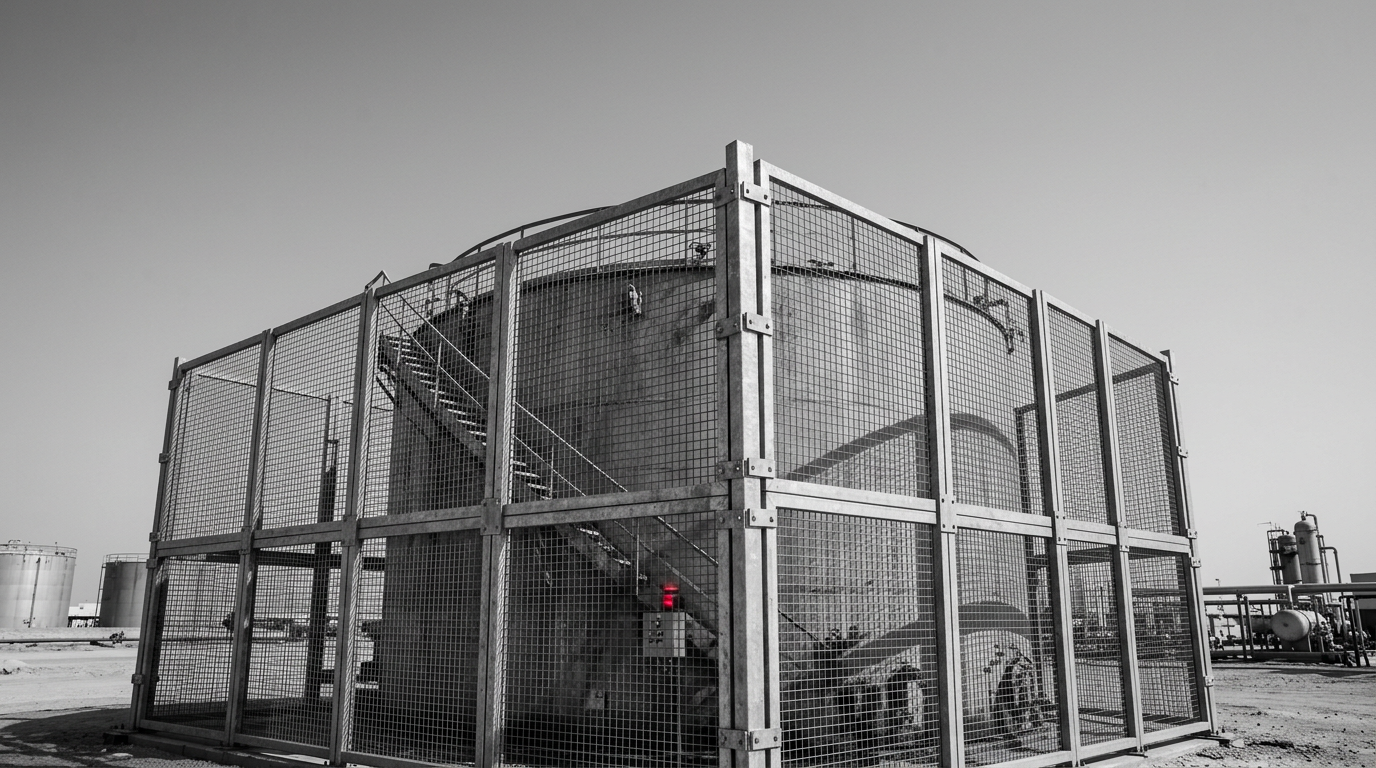
The United Arab Emirates initiated the installation of steel-and-mesh protective structures, dubbed 'cope cages,' around vital oil, gas, and aviation storage infrastructure starting August 23, 2026. This measure is intended to mitigate the impact of potential drone or missile strikes, officials confirmed.
The protective strategy targets selected storage tanks and airside facilities, offering a rapid, low-cost defense against small drones and shrapnel, a technique observed in other conflict zones.
Regional Security Concerns
Real GDP Growth2.1%USA 2026 — IMF (↑ prev: 2.0%)Inflation (CPI)2.4%USA 2026 — IMF (↓ prev: 2.7%)Unemployment Rate4.1%USA 2026 — IMF (↓ prev: 4.2%) This defensive action comes amidst heightened regional tensions, particularly after state media footage released this week showcased expanded missile production capabilities and recent launches by a regional power. These developments have amplified concerns among Gulf states regarding cross-border drone and missile threats.
Officials characterized the UAE's move as a precautionary step, emphasizing it does not signify a shift in the nation's broader security posture. The implementation of these protective cages is being closely monitored by energy markets.
Traders have indicated they will observe shipping and supply data through August 25, 2026, for any indications of tangible disruptions or an increase in the risk premium associated with energy products. The effectiveness of these measures against evolving threats remains a key area of observation for security analysts.
Market Implications and Monitoring Analysts suggest that any escalation leading to hindrances in energy exports or necessitating further protective measures could result in elevated freight costs and introduce a minor risk premium to global oil prices. This impact would be particularly relevant for condensates and refined fuels transported from the Gulf region.
Market participants are specifically watching tanker traffic volumes, insurance spreads, and the immediate availability of cargo as key indicators for early signals of market adjustments.
The use of 'cope cages' echoes defensive tactics seen in other conflicts, where similar mesh structures have been deployed to protect military vehicles from drone attacks. Adapting this strategy for critical civilian infrastructure highlights the evolving nature of security threats in the region and the proactive measures states are taking to safeguard their economic lifelines.
The long-term implications for regional stability and energy supply chains will depend on the sustained threat level and the broader geopolitical landscape.
While the immediate impact on global energy markets is still being assessed, the UAE's proactive stance underscores a growing recognition of the vulnerability of critical infrastructure to asymmetric threats. This development could prompt other nations with significant energy assets to evaluate and potentially enhance their own defensive capabilities against similar risks.
Broader Geopolitical Context
The context for these defensive enhancements includes a series of past drone and missile attacks in the region that have targeted oil facilities and commercial shipping. These incidents have underscored the need for improved defenses against aerial threats. The 'cope cage' strategy offers a relatively quick and cost-effective solution compared to more complex anti-air systems, making it an attractive option for immediate protection.
The decision to deploy these cages reflects a pragmatic approach to immediate security challenges while signaling ongoing vigilance regarding regional stability. The international community, particularly major energy consumers, will be closely watching the efficacy of these measures and any potential knock-on effects on global supply chains and energy security.