Iranian Footballers Withdraw Asylum Bids in Australia
Three Iranian female footballers withdrew asylum bids in Australia on March 14, 2026, reportedly en route to Malaysia.
Lauren Collins ·
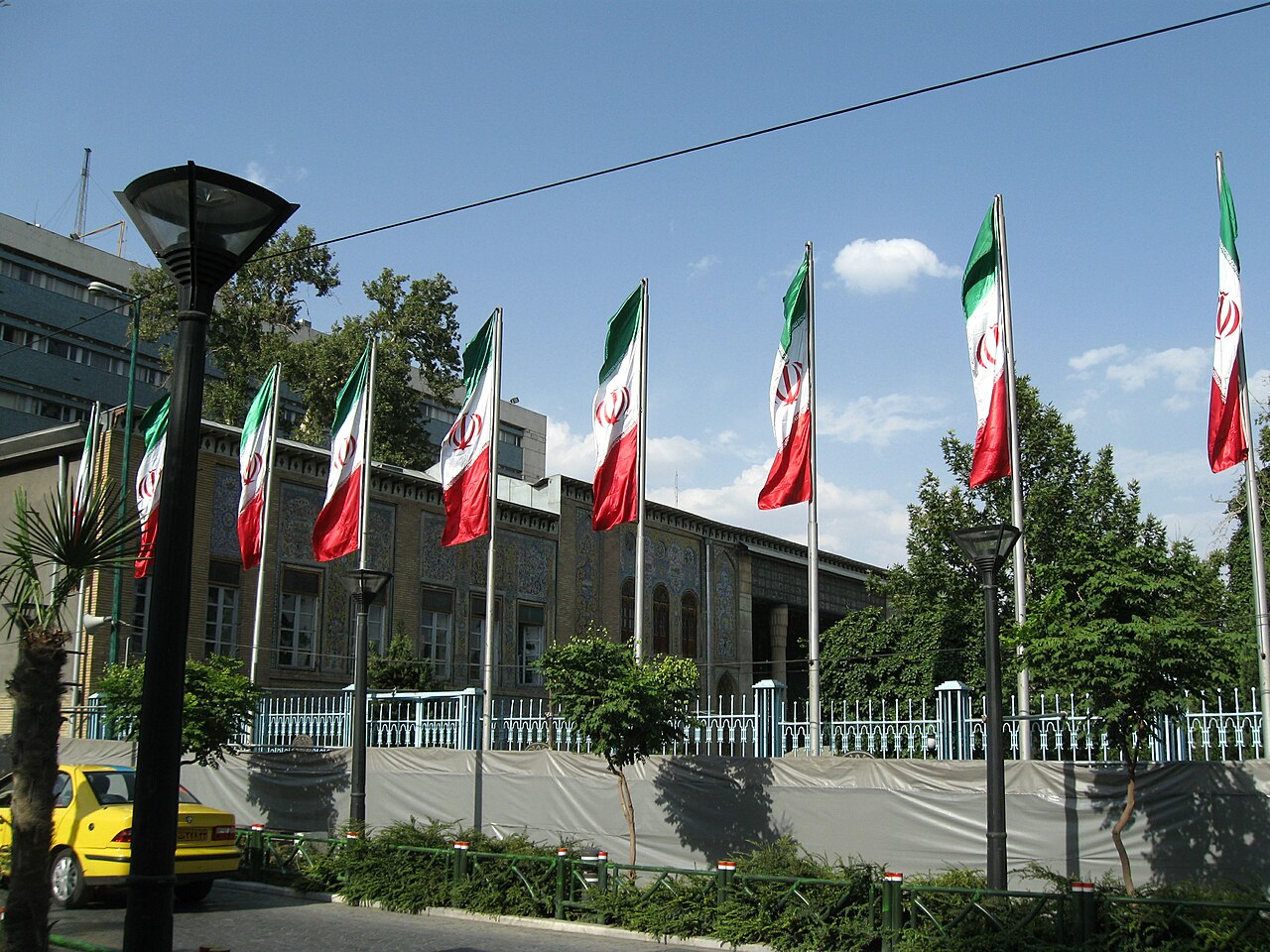
Three Iranian female football team members have retracted their asylum applications in Australia, with reports indicating their departure for Malaysia. This development, confirmed by Iranian state broadcaster IRIB on Saturday, March 14, 2026, follows their initial asylum requests made after declining to sing Iran's national anthem during the Asian Cup tournament.
These individuals were part of a larger group of five players and one staff member who had sought protection in Australia. Their actions during the tournament had drawn criticism from Iranian state media, which reportedly labeled them as "traitors," leading to fears of repercussions upon returning to Iran.
Previous Asylum Withdrawal
Earlier in the week, Mohadese Zolfigol, one of the players, had also withdrawn her asylum request. This decision was reportedly influenced by advice from her teammates and after she made contact with the Iranian embassy.
Context of the Asian Cup Incident
The Iranian team's participation in the Asian Cup in early 2026 occurred amidst heightened geopolitical tensions. A conflict involving the United States and Israel against Iran had commenced on February 28, 2026, adding a layer of complexity to the players' situation.
International Body Involvement
FIFPRO, the global organization representing professional footballers, had previously called upon both FIFA and the Asian Football Confederation (AFC) to ensure the safety and protection of the players. Concerns were raised regarding potential monitoring by Iranian officials and the general safety of the athletes.
Implications for Athletes
The withdrawal of these asylum claims highlights the intricate challenges faced by athletes from politically sensitive regions. Decisions regarding asylum often involve complex personal, political, and safety considerations, particularly when actions are perceived as dissenting by their home governments.
Future Monitoring
The situation of these athletes is likely to remain under observation by human rights organizations and international sports bodies. The circumstances surrounding their decision to withdraw asylum applications and their subsequent travel to Malaysia will be a point of interest for those monitoring athlete welfare and freedom of expression in sports.
Implications
Country Impact: The incident underscores the challenges faced by Iranian citizens abroad, particularly athletes, when their actions are perceived as political dissent by the state. It may influence future policies regarding athlete participation in international events and state oversight.
Industry Impact: For the sports industry, particularly football, this event highlights the ongoing need for international federations like FIFA and AFC to establish robust mechanisms for protecting athlete welfare and freedom of expression, especially in politically charged contexts. It could lead to increased scrutiny of national federations' treatment of their athletes.
Market Impact: While not directly impacting financial markets, the geopolitical tensions referenced in the article (US/Israel vs. Iran) could have broader implications for global energy markets and investor sentiment towards the Middle East, depending on the conflict's escalation or de-escalation.