Türkiye Seeks Interpol Red Notice for Netanyahu
Türkiye's Justice Ministry requested Interpol Red Notices for Netanyahu and 34 others over the 2010 flotilla incident, escalating tensions.
Atlas Newsdesk ·
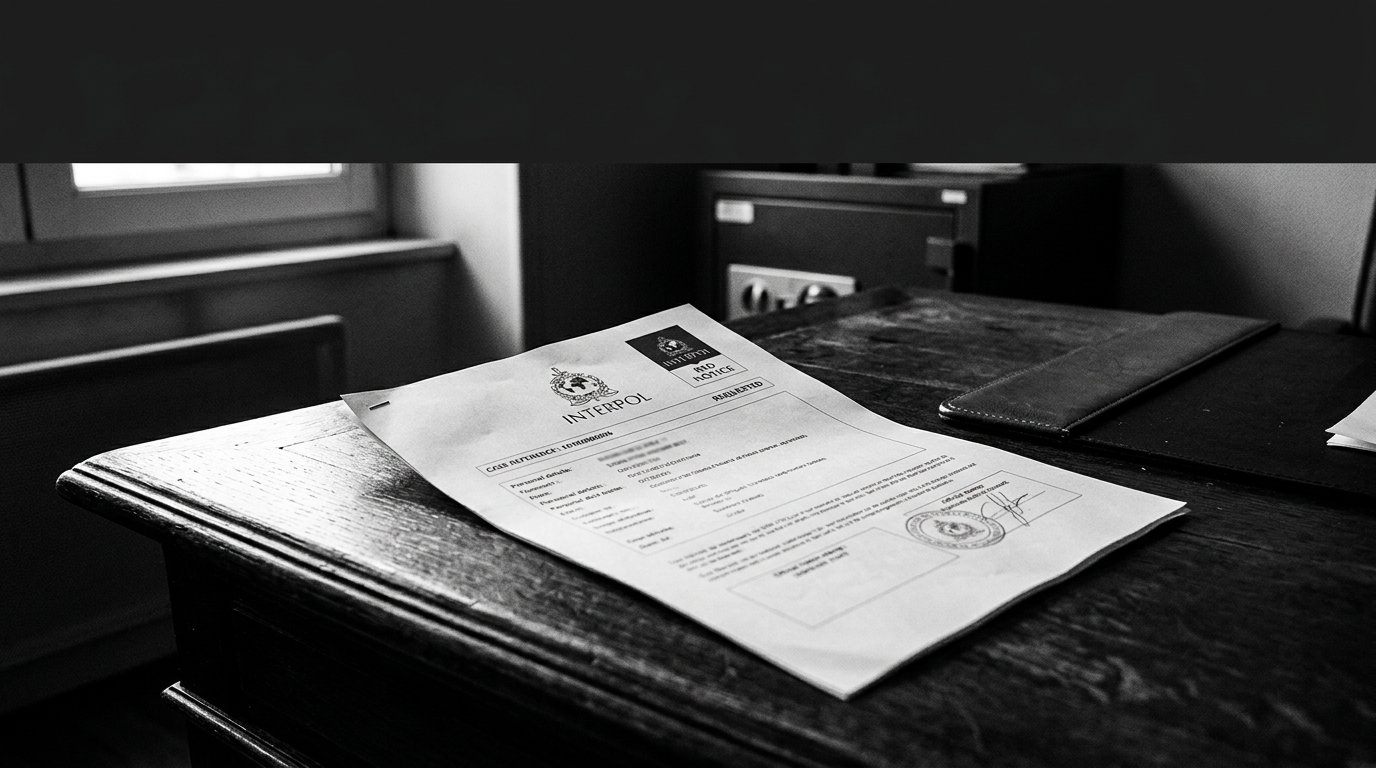
Türkiye's Ministry of Justice has formally requested the country's interior ministry to initiate Interpol Red Notices for Israeli Prime Minister Benjamin Netanyahu and 34 additional individuals. Justice Minister Akin Gurlek announced the development on Friday, following the issuance of domestic arrest warrants on July 14. This legal action pertains to the May 2010 interception of the Global Sumud Flotilla in international waters, an event that has consistently fueled diplomatic friction between the two nations.
Ankara's legal push focuses on allegations of genocide, crimes against humanity, and torture against the identified suspects. Türkiye has affirmed its intention to pursue all available legal avenues to secure accountability for the incident, which involved Israeli military personnel boarding aid vessels bound for Gaza. The operation led to the detention and subsequent deportation of activists participating in the flotilla.
International Legal Pursuit Initiated
The Israeli Prime Minister's office has dismissed Türkiye's request, describing it as an intimidation tactic and rejecting the accusations leveled against its officials. This move marks a notable escalation in the ongoing strained diplomatic relations between Türkiye and Israel. Ankara continues to utilize international judicial mechanisms to challenge past Israeli military operations, particularly those related to the 2010 maritime event.
The 2010 Mavi Marmara incident, a component of the Global Sumud Flotilla, tragically resulted in the deaths of ten Turkish activists. Various international reports and investigations, including one conducted by the United Nations, have examined the circumstances surrounding these events. The 2011 UN Palmer Report concluded that Israel's naval blockade of Gaza was lawful, but criticized the excessive force used against the passengers aboard the Mavi Marmara.
Broader Context of Bilateral Relations
Türkiye's latest action aligns with its consistent position regarding the 2010 incident, where it has continuously sought legal recompense for the lives lost and alleged violations of international law. The request for Interpol intervention is not an isolated occurrence; similar judicial proceedings concerning the same maritime incident have previously been initiated by other countries, including France, Italy, and Australia. These efforts underscore a wider international focus on accountability for actions taken during the flotilla's interception.
The relationship between Türkiye and Israel has experienced periods of both severe tension and attempts at reconciliation. Diplomatic ties significantly deteriorated after the 2010 incident, gradually being restored over subsequent years. However, such legal challenges frequently reignite tensions and complicate efforts to maintain stable bilateral relations. The outcome of this Interpol request could carry further implications for diplomatic discourse and the legal standing of officials involved in international disputes.