Damascus Court to Rule on Ex
Damascus's Fourth Criminal Court is set to deliver its verdict on Monday in the trial of former Syrian Grand Mufti Ahmad Badreddin Hassoun.
Lauren Collins ·
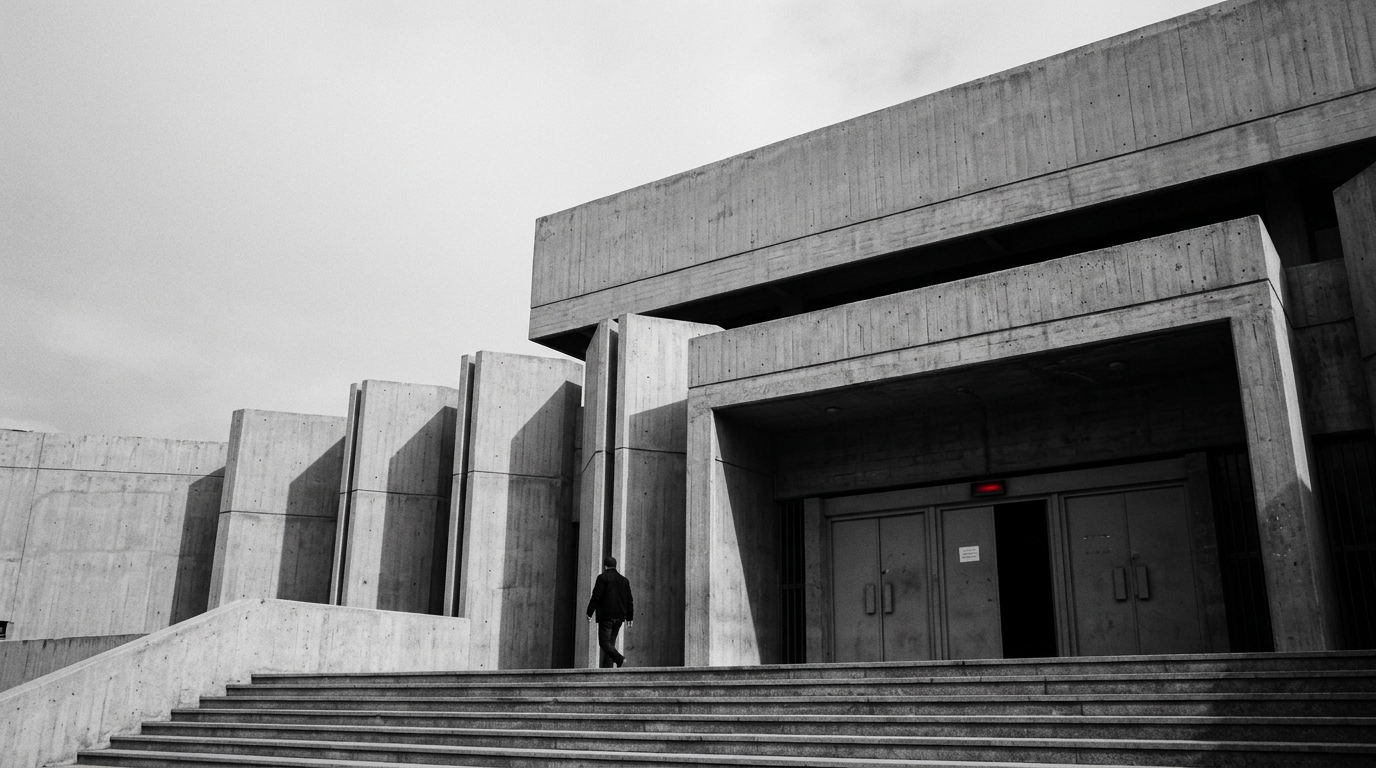
The Fourth Criminal Court in Damascus is scheduled to issue its judgment on Monday regarding Ahmad Badreddin Hassoun, who previously held the position of Syria's Grand Mufti. Prosecutors in the case have requested a death sentence for Hassoun, who served as the nation's highest religious authority for 16 years, from 2005 until 2021.
Hassoun was apprehended at Damascus International Airport in March 2025, as he attempted to leave the country for Jordan. This arrest followed several months during which he remained out of public sight, a period that began after the collapse of the Bashar al-Assad government in December 2024. The trial against him commenced on June 25, focusing on serious accusations.
Allegations of Incitement and Complicity
The charges against the former Grand Mufti include inciting violence and providing religious justification for military operations and the actions of the security apparatus under the previous administration. Evidence presented during court proceedings suggests that Hassoun maintained close relationships with high-ranking intelligence officials, notably Ali Mamlouk, a former chief, and actively endorsed military campaigns targeting areas controlled by opposition forces.
Further prosecution claims indicate that the former government delegated authority to Hassoun for approving executions carried out at Sednaya prison. This facility is infamous for reports of thousands of inmates dying there between 2012 and 2017. The accusations paint a picture of deep entanglement between the religious establishment and the former regime's repressive actions.
Broader Context of Transitional Justice
This upcoming verdict forms part of a broader series of high-profile transitional justice decisions currently unfolding in Syria. These proceedings have already seen significant outcomes, including death penalties imposed on former President Bashar al-Assad and other senior officials of his government. The trials aim to address alleged abuses and crimes committed during the long-standing conflict and the previous administration's rule.
The role of a Grand Mufti traditionally involves interpreting Islamic law and guiding the Muslim community. Hassoun's tenure, however, became deeply intertwined with the political landscape, particularly after the Syrian civil unrest escalated into widespread conflict. His public pronouncements often aligned with the government's narrative, leading to accusations from human rights groups and opposition factions that he legitimized state violence.
The legal process against such a prominent religious figure highlights the complexities of accountability in post-conflict transitions. It underscores efforts to dismantle the remnants of the former regime's power structures and address grievances that fueled years of conflict. The outcome of this trial will be closely watched both domestically and internationally, as it could set precedents for future prosecutions related to the Syrian crisis.
International Scrutiny and Future Implications
The trials are being conducted within the framework of a new interim government established after the fall of the Assad administration. These judicial actions are crucial for establishing trust and laying the groundwork for a more stable future. However, questions remain about the fairness and impartiality of such proceedings, especially given the rapid political changes.
International observers are keenly monitoring the Syrian transitional justice process for its adherence to legal standards and human rights principles. The verdicts delivered in these high-profile cases will significantly influence perceptions of justice and reconciliation in a nation grappling with the profound aftermath of conflict and political upheaval.