UNIFIL warns of rising attacks in southern Lebanon
UNIFIL warns of rising attacks in southern Lebanon, citing 137 projectiles a day in Aug 5–16 and a stalled June 26 ceasefire framework.
Atlas Newsdesk ·
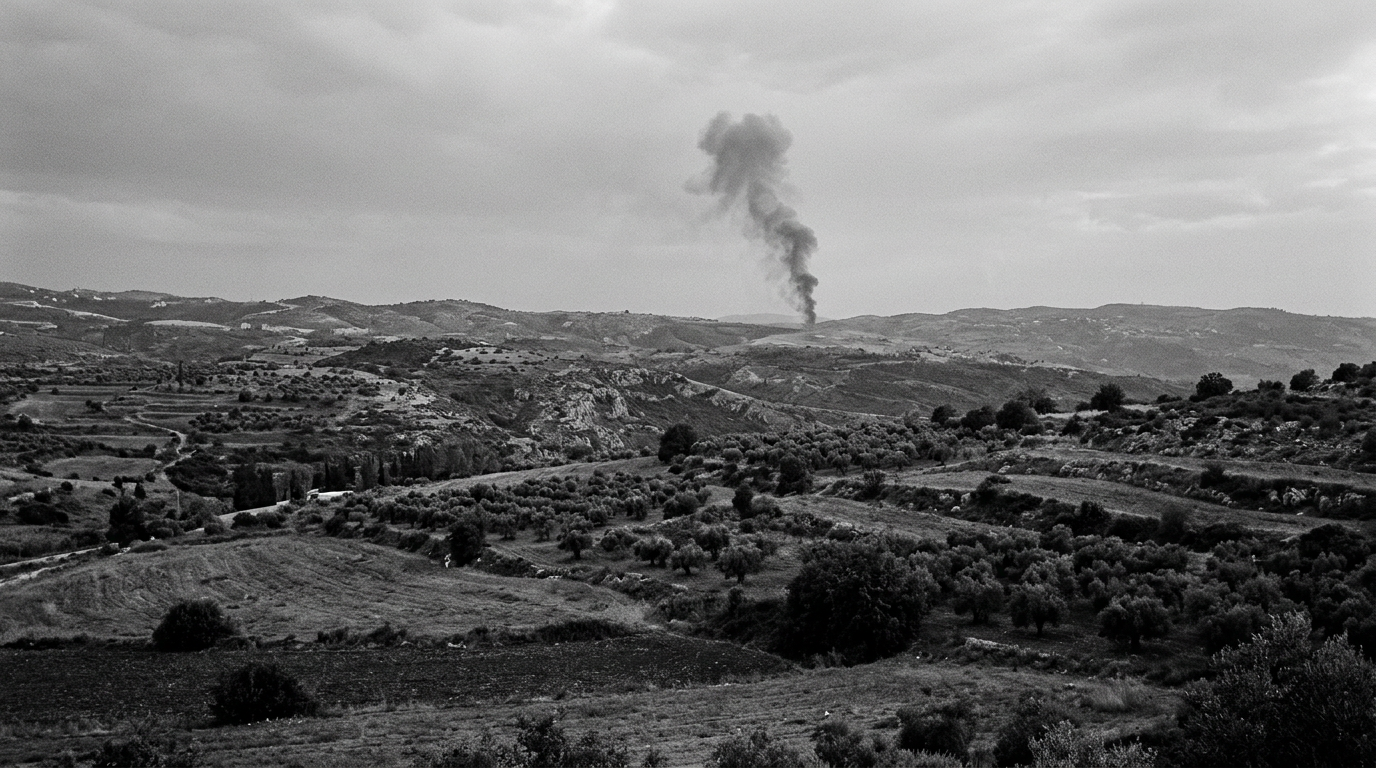
The United Nations Interim Force in Lebanon (UNIFIL) has issued what it called an urgent warning after recording a sharp increase in military activity across southern Lebanon, saying the surge is adding pressure to a ceasefire framework that has not taken hold since late June.
In its latest update, UNIFIL reported an average of 137 projectiles per day between August 5 and August 16. The mission said the pace accelerated over the weekend, with 208 projectiles recorded on Saturday and 185 on Sunday, figures it described as further destabilising the area.
UNIFIL logs projectiles, air raids and artillery exchanges UNIFIL said the increased fire has coincided with UNIFIL said the increased fire has coincided with sustained air raids and continued artillery exchanges, describing a pattern that is driving heightened insecurity along the border area. The mission presented the current tempo of attacks as a direct factor worsening the security environment in the south. The update also pointed to growing humanitarian strains linked to the escalation. UNIFIL cited widespread displacement of civilians and reduced access to essential services, warning that conditions are deteriorating as exchanges persist. Fatalities since March 2 and limited detail in the update UNIFIL said the violence has resulted in 4,346 fatalities since March 2. It added that 11 deaths were recorded on Saturday alone, which it said underscored the human cost of the latest spike in hostilities.
The United Nations Interim
The mission did not provide a breakdown of the reported fatalities in its update. It also did not signal an immediate change to its posture, while stressing that the security situation remains volatile.
June 26 ceasefire agreement remains stalled
The renewed escalation comes despite a ceasefire agreement reached on June 26 and brokered by the United States. UNIFIL said the arrangement remains stalled, attributing the impasse to Hezbollah’s refusal to disarm and Israel’s continued military presence in the south.
UNIFIL also warned that ongoing exchanges are eroding the framework of UN Security Council Resolution 1701. According to the mission, the parties remain stuck on the terms for a permanent withdrawal and on how security responsibilities would shift to the Lebanese army.
Mandate deadline and Lebanon’s extension request
UNIFIL noted that its mandate is set to expire at the end of the year, and said the Lebanese government has formally requested an extension. The mission described its role as maintaining a buffer intended to support stability.
Officials have not provided a timeline for when the ceasefire mechanism could be reactivated under the conditions UNIFIL outlined. UNIFIL said continued exchanges and unresolved political conditions are preventing a durable reduction in hostilities, leaving uncertainty over whether the sides can move from short-term de-escalation to a longer-term security transition.