Erdogan Calls for Diplomacy Amid Iran Conflict
Turkish President Erdogan calls for diplomatic solutions to the Iran conflict, emphasizing regional stability and Turkey's enhanced defensive posture.
Lauren Collins ·
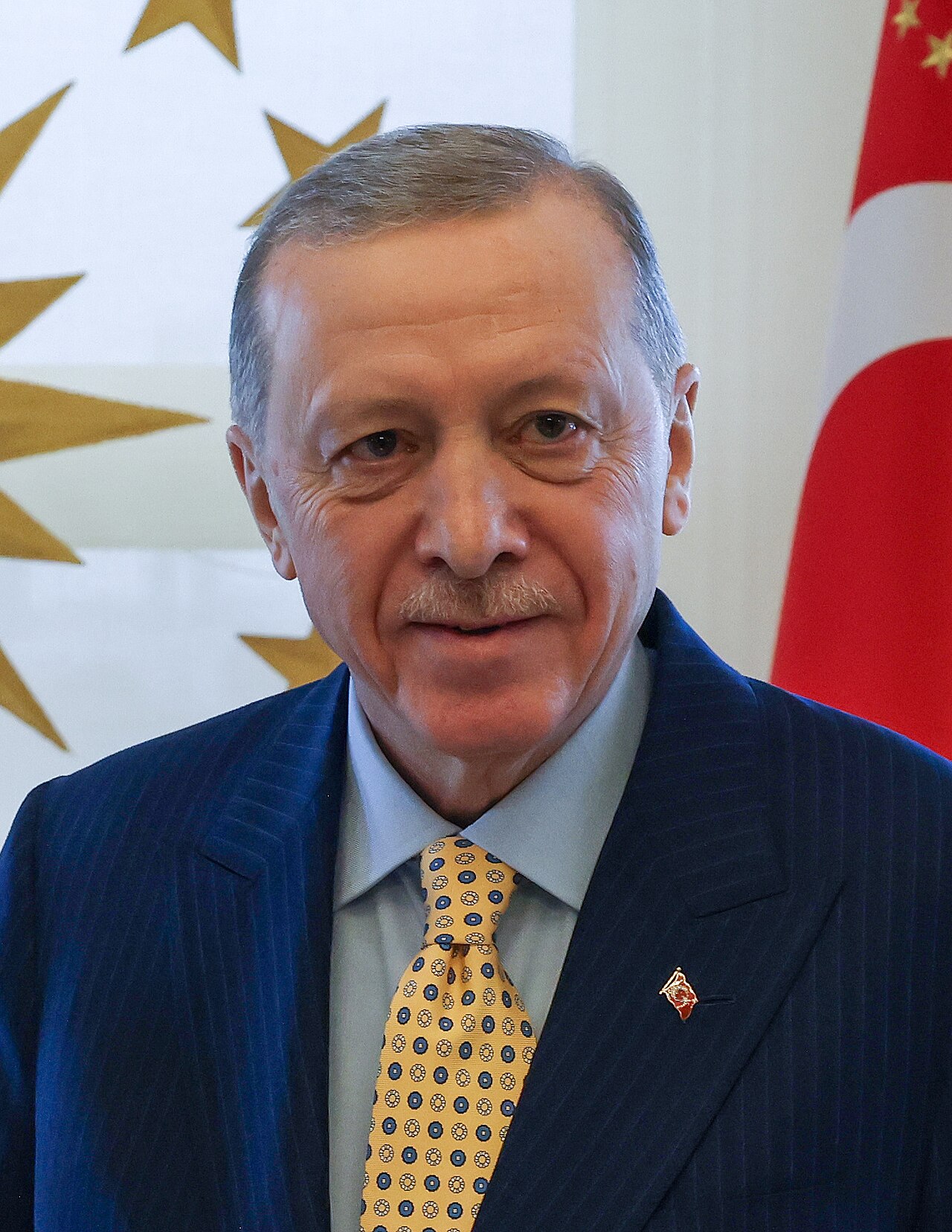
Turkish President Recep Tayyip Erdogan on Wednesday urged an immediate diplomatic resolution to the escalating conflict in Iran. His statement emphasized the critical need to prevent wider regional destabilization, advocating for a peaceful settlement to the ongoing hostilities.
This call for de-escalation follows recent military actions, including the interception of two Iranian missiles targeting southern Turkey within the past week. These incidents have prompted Turkey, a NATO member, to enhance its defensive posture in the region. Turkey hosts significant air and radar assets utilized by both NATO and the United States.
Turkey's Regional Stability Concerns
Turkey had previously offered to mediate in the conflict before the commencement of U.S.-Israeli military operations against Iran, which began approximately twelve days prior to Erdogan's latest remarks. This proactive stance underscores Turkey's consistent diplomatic engagement in regional security matters.
Opposition Criticism and International Law
Ozel suggested that Erdogan's approach, which he interpreted as an attempt to maintain personal relations with Trump, inadvertently emboldened the former U.S. leader. This, according to Ozel, indicated a lack of robust opposition to actions that did not adequately consider Turkish national interests and sensitivities.
Geopolitical Context and Implications
The ongoing tensions in Iran and the broader Middle East have significant implications for global energy markets and international trade routes. Turkey's diplomatic efforts aim to mitigate these wider economic and political ramifications, seeking to restore stability through dialogue rather than military confrontation. The situation continues to be closely monitored by international observers for potential escalation or de-escalation signals.
Implications
Country Impact: Turkey's direct involvement in regional security is heightened, with increased defensive measures. Its diplomatic standing as a mediator is reinforced, but domestic political criticism persists regarding its foreign policy approach.
Industry Impact: The escalating conflict in the Middle East poses risks to global energy supplies and shipping routes, potentially impacting oil prices and maritime insurance costs. Defense industries in the region may see increased demand.
Market Impact: Global markets could react to increased geopolitical risk, leading to volatility in oil futures and safe-haven asset flows. Investor confidence in regional stability may decline, affecting foreign direct investment.