Turkey Raises Inflation Target as Energy Shock Hits Prices
Turkey's central bank raised its year-end inflation target to 24% as war-driven energy costs pushed April inflation to 32.4%.
Cuneyd Erdogan ·
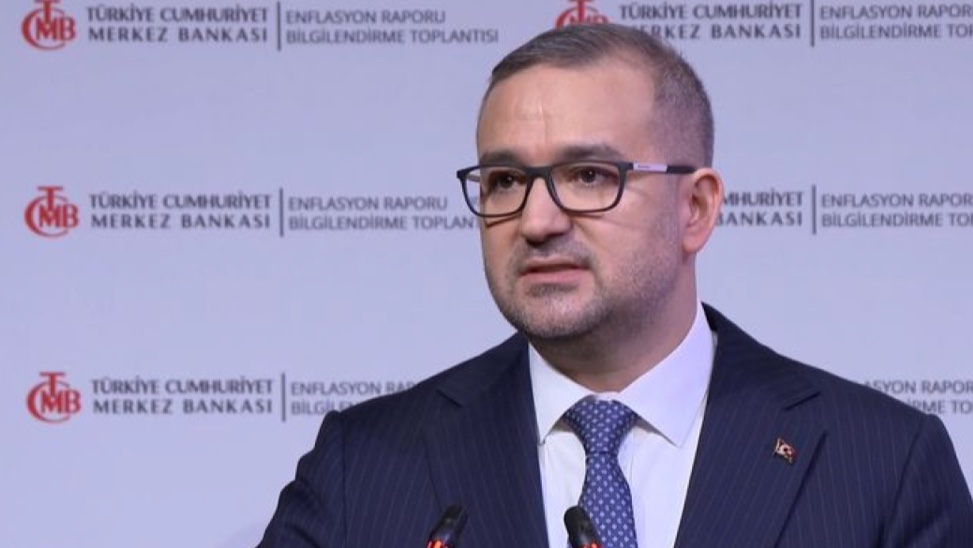
Turkey’s central bank has lifted its year-end inflation target to 24% from 16%, a sharp reset that ties monetary policy more closely to the energy shock from the US-Israeli war on Iran. Governor Fatih Karahan announced the change during the bank’s quarterly inflation presentation in Istanbul, according to the supplied source, and said the target will guide how policymakers set interest rates. The move follows a February framework in which the bank had expected 2026 inflation to land between 15% and 21% and had kept an interim target of 16%. That old path is now too low for an economy absorbing a fresh jump in fuel, electricity and natural gas prices.
Energy Costs Hit April Data
The immediate pressure came through Turkey’s April inflation report, where consumer prices rose 4.18% on the month and annual inflation climbed to 32.37%. The central bank said monthly price gains were driven by energy, food and clothing, with domestic energy prices up 14.40% in April because of the Middle East conflict. The energy group’s increase over March and April reached nearly 20%, while residential natural gas prices rose 45.10% after tariff changes and electricity prices climbed 16.90%. Those figures explain why the bank could not keep presenting 16% as a credible anchor for year-end policy.
Before the energy shock, the CBRT had been trying to frame inflation as a difficult but continuing disinflation story. In February, Karahan said the disinflation process that began in June 2024 was still under way, with January inflation down to 30.7% and demand conditions still helping the slowdown. The bank also pointed to easing inertia in some service categories, especially rents and education, as evidence that earlier tightening was working through the economy. April changed the tone: the issue was no longer only domestic demand or sticky services, but imported costs feeding into regulated prices, fuel, transport and producer prices.
Households Face the Reset
The target change matters first for households because the price pressure is landing in everyday categories rather than only in financial markets. Food and non-alcoholic beverage inflation reached 34.55% in April, services inflation stood at 40.30%, rent inflation was still 51.16%, and transport services inflation reached 45.36%. Fuel prices also pushed air passenger transport up 18.49% in the month, showing how energy costs spread into services. For borrowers and businesses, the message is just as direct: a higher inflation target makes a fast easing cycle harder to justify.
Turkey is especially exposed to an energy-price shock because its economy depends heavily on imported oil and gas. The Turkish Foreign Ministry says the country has a 74% energy import dependency, while the International Energy Agency describes Turkey’s fossil-fuel use as still heavily reliant on imports, especially oil and gas. That structure turns global energy disruption into domestic inflation more quickly than in economies with larger local fuel production. It also complicates central bank communication, because officials can tighten credit but cannot directly control the price of crude, gas flows or conflict risk in the Gulf.
The wider global setting has made the bank’s job harder. Reporting on the war has described US and Israeli strikes on Iran, Iranian retaliation and disruption risks around energy infrastructure and shipping lanes, including the Strait of Hormuz. Turkey sits close to the conflict zone, buys much of its energy from abroad and already carries a history of high inflation that damaged household purchasing power and investor confidence. A 24% target is still far above the CBRT’s 5% medium-term inflation goal, so the revision does not end the disinflation campaign; it admits that the route has become longer and more expensive.
The bank also suspended its forecast range, according to the supplied source, removing a tool that normally shows how policymakers think about alternative inflation paths. That choice suggests the uncertainty is too wide to package neatly while energy prices, domestic tariffs and war risks remain unsettled. The forward implication is clear: rate cuts are likely to be slower, smaller or easier to reverse if the next inflation readings show second-round effects from energy costs. The CBRT’s April rate statement already warned that if the inflation outlook suffers a durable deterioration, policy would be tightened, leaving markets to watch fuel prices, the lira and May inflation for the next signal.