Turkey Marks Six Years Since Black Sea Gas Discovery
Turkey observes the sixth anniversary of its Black Sea gas find, with total reserves reaching 785 billion cubic meters and a 2028 production target.
Mateo Fernandez ·
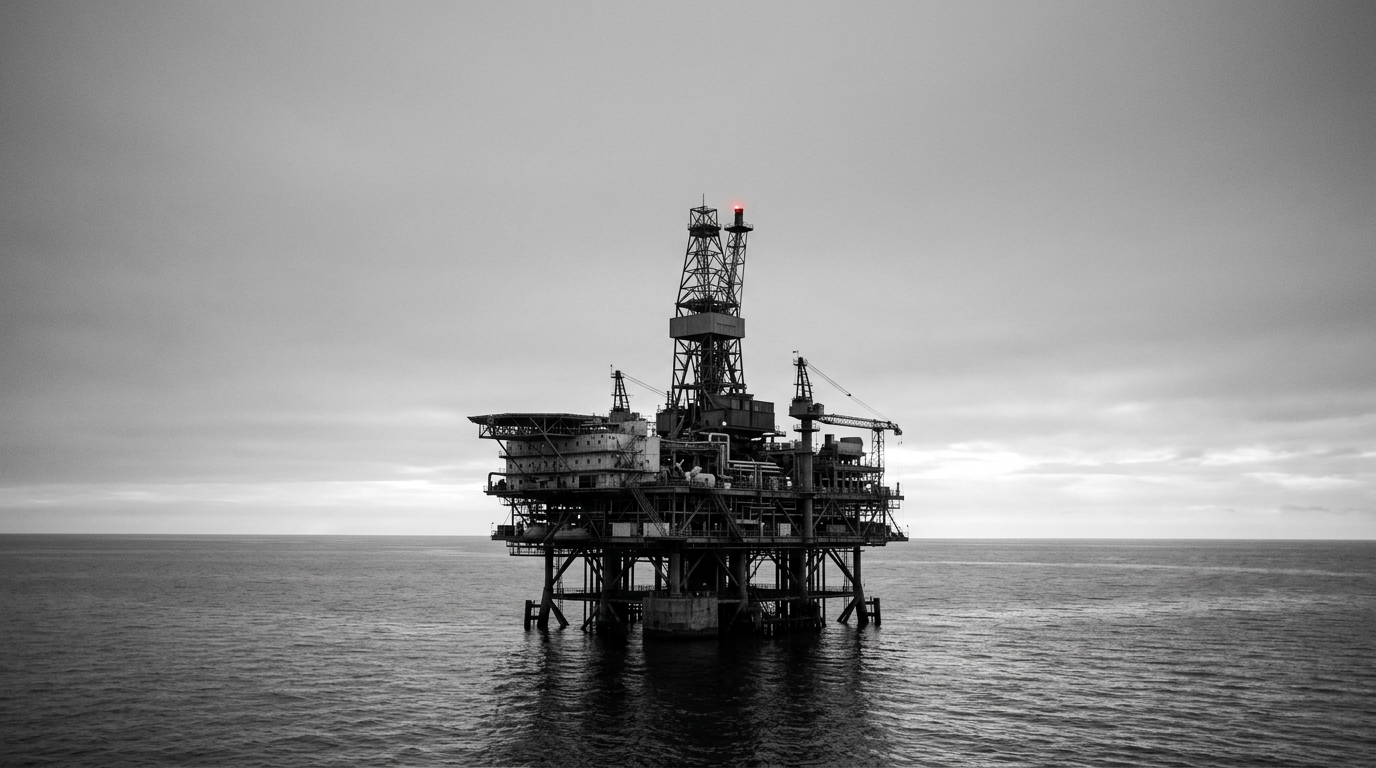
Turkey is commemorating six years since its initial significant natural gas discovery in the Black Sea, a development that officials state is reshaping the nation's energy supply outlook. The total identified reserves from these finds now stand at an impressive 785 billion cubic meters, marking a pivotal moment for the country's long-term energy strategy.
The initial discovery, heralded by officials as the largest in the republic's history, along with subsequent finds, has progressively increased these reserves. This cumulative figure includes gas volumes not yet integrated into the production stream, consolidating multiple explorations since the first announcement in 2020.
Sakarya Field Production Goals
Central to Turkey's energy plans is the Sakarya gas field, which is projected to achieve a daily output of 45 million cubic meters by 2028. This ambitious target forms the cornerstone of efforts to diminish the nation's reliance on imported energy sources and to reduce future liquefied natural gas (LNG) procurement costs. While the production has been clearly articulated, specific interim production timelines or detailed cost estimates for the project have not been disclosed by officials.
The strategic importance of reaching the 45 million cubic meters per day target by the end of 2028 cannot be overstated. Should this objective be met, officials indicate it would significantly reduce Turkey's net gas imports and substantially alter its energy import bill and procurement strategy starting in 2029. This transition is seen as a crucial step towards greater energy independence and economic stability.
National Energy Independence Drive
The accumulated natural gas reserves are viewed by authorities as the foundational element for a structured, phased increase in domestic production. This approach supports a broader national strategy aimed at enhancing energy security and self-sufficiency. The government has consistently emphasized the importance of leveraging indigenous resources to mitigate external energy dependencies, a policy gaining increased urgency in the current global energy landscape.
Prior to these discoveries, Turkey was heavily reliant on gas imports, primarily from Russia, Azerbaijan, and Iran, along with LNG purchases from various global suppliers. The Black Sea gas finds represent a significant paradigm shift, offering the potential to diversify the energy mix and secure a more stable and cost-effective energy future for the country. This strategic pivot underscores a long-term commitment to utilizing domestic natural resources to bolster national interests.