Turkey Central Bank Halts Gold-to
Turkey's central bank ended a four-year rule allowing physical gold to be converted into lira deposits, effective August 22, 2026, aiming to bring idle…
Mateo Fernandez ·
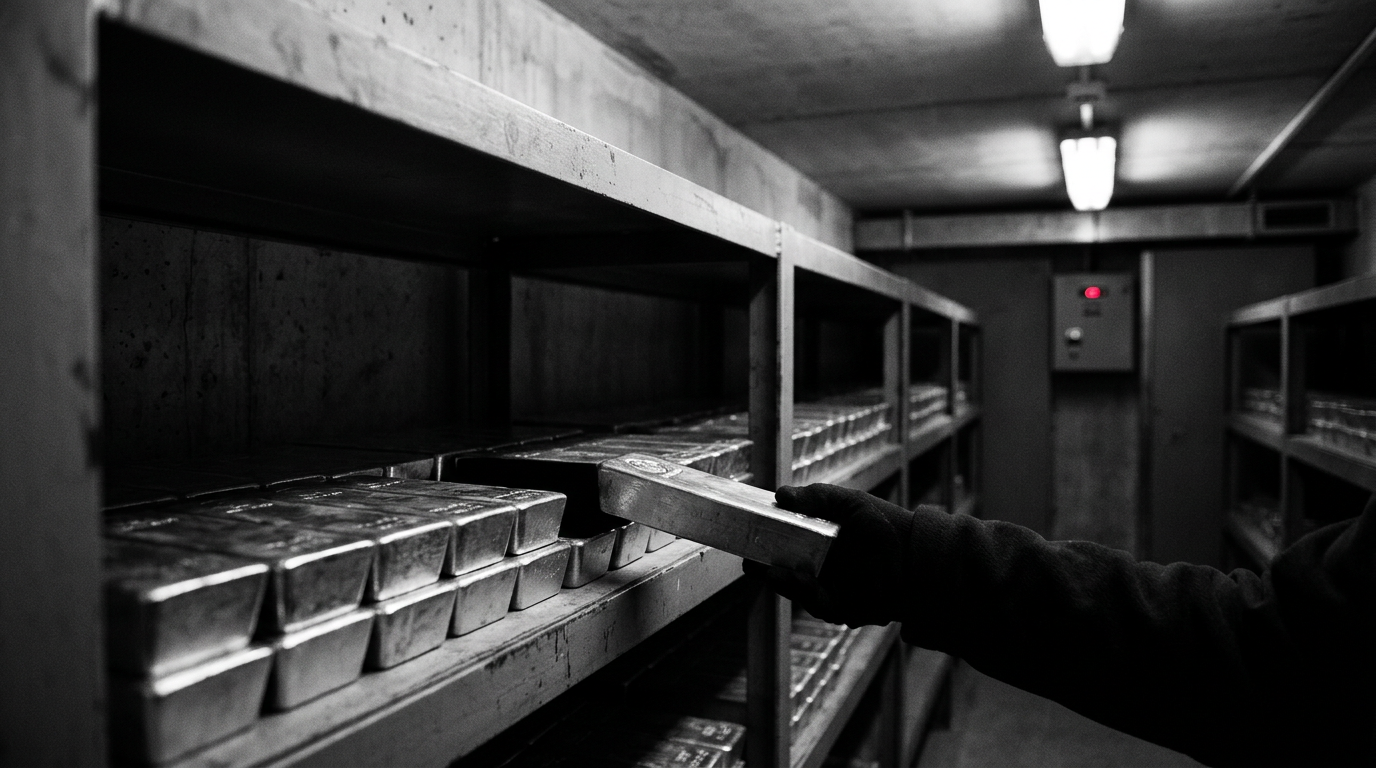
Turkey's central bank has formally terminated a regulatory provision that allowed households to convert physical gold holdings into Turkish lira deposits. This measure, which had been in effect for four years, is slated to conclude on August 22, 2026. The decision, officially published in the Official Gazette, revokes the notice that permitted the transfer of physical gold into bank accounts and its subsequent conversion into lira deposits under specific conditions, officials stated.
The original program, introduced in 2022, was designed with the strategic objective of integrating domestic gold holdings into the banking sector. Its primary aim was to bolster onshore liquidity within the financial system. The central bank's move to end this scheme suggests a recalibration of its approach to managing domestic savings and liquidity.
Policy Intent and Potential Outcomes
The policy's effectiveness hinges on whether households choose to deposit their physical gold into the banking system. Should a significant volume of metal be deposited, banks could experience an increase in lira-denominated balances. This influx would, in turn, help alleviate domestic funding constraints currently faced by the banking sector.
Conversely, if households do not respond by depositing more gold, the termination of the rule is likely to have a largely symbolic impact without generating substantial changes in financial liquidity. The central bank's initiative is part of a broader effort to formalize informal savings and integrate them into the mainstream economy, thereby strengthening the country's financial resilience.
Market Implications and Observation Period
The implications for commodity markets are anticipated to unfold gradually rather than abruptly. An increase in gold flows into banks could potentially reduce immediate retail demand for traded bullion and imports. This shift might exert a modest downward pressure on local physical gold purchases.
However, a rapid surge of gold into banks would primarily alter the composition of domestic gold stocks without directly influencing global gold prices. Analysts will closely monitor these flows through the end of August 2026.
If the aggregated deposits of household gold show a material rise by August 31, 2026, the central bank's balance sheet and local lira liquidity metrics are expected to reflect this change within weeks. Should visible inflows not materialize by this deadline, the overall market impact of the policy adjustment will likely be minimal.
Broader Context of Economic Policy
This decision aligns with Turkey's ongoing efforts to stabilize its economy and enhance financial system efficiency. By encouraging the integration of gold, traditionally a significant store of wealth outside formal banking channels, authorities aim to improve data accuracy on national wealth and increase the efficacy of monetary policy tools. The success of this transition will depend on public trust and incentives offered to shift these assets.