US Imposes 50% Tariffs on Canadian Imports
The U.S. government announced a 50% tariff on $20 billion of Canadian goods, escalating trade tensions with Canada threatening retaliation.
Mateo Fernandez ·
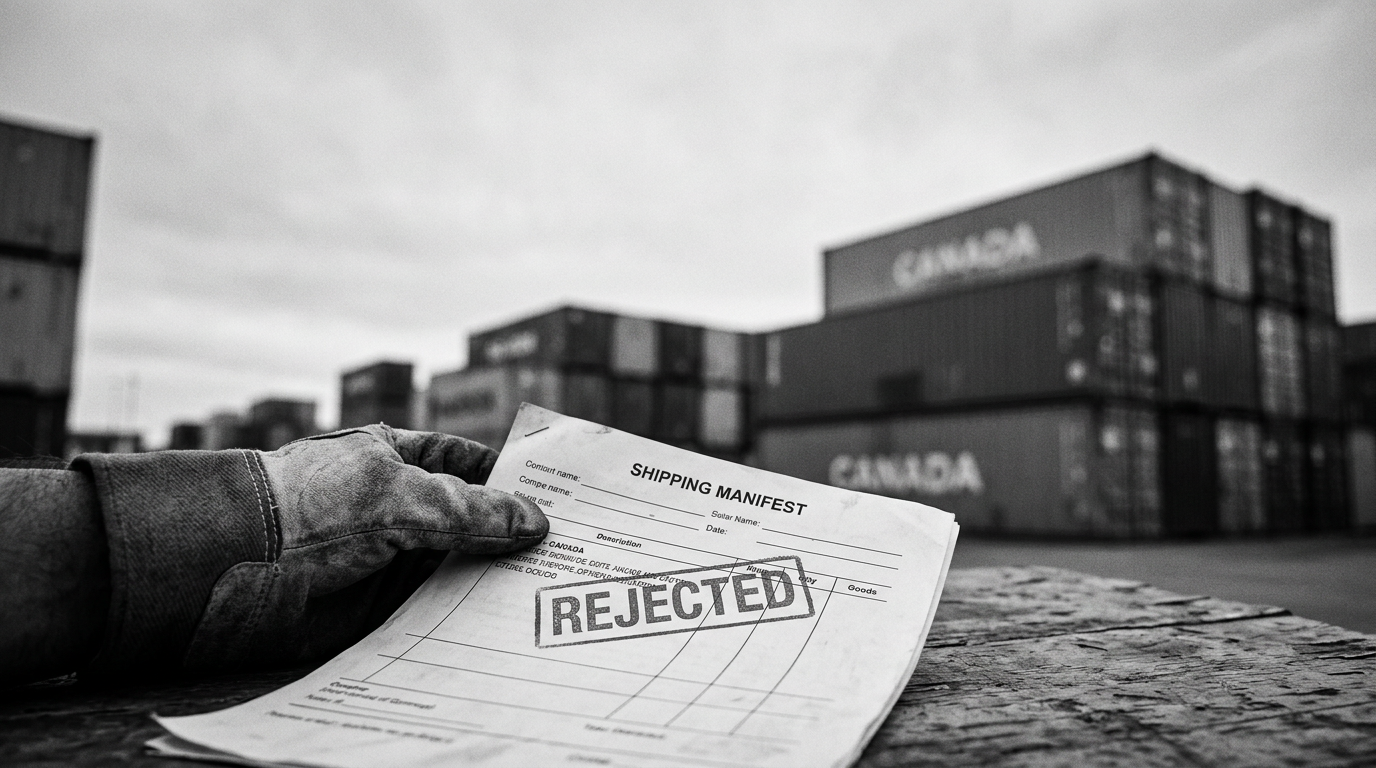
The United States government has implemented a substantial 50% additional tariff on an estimated $20 billion worth of goods imported from Canada. This measure was officially imposed on August 22, 2026, following the reported failure of bilateral trade negotiations between the two neighboring North American nations. Officials in Ottawa have indicated their intention to respond with reciprocal tariffs at a similar 50% rate, suggesting a significant escalation in the ongoing trade dispute, moving from diplomatic talks to direct economic enforcement.
This development marks a notable shift in the long-standing trade relationship shared by these two highly integrated economies. Businesses reliant on cross-border supply chains are now facing immediate concerns regarding the specific product categories targeted by these new tariffs. The impact on pricing and profit margins across various economic sectors will largely depend on whether the tariff list focuses on intermediate goods, consumer products, or industrial inputs.
Uncertainty Surrounding Implementation Details U.S. officials stated that discussions with Canada had stalled just prior to Washington's public disclosure of the new duty. Crucially, the announcement lacked specific details regarding the exact product categories that would be subject to these tariffs. Furthermore, no precise implementation timeline was provided, nor was it clear if any exemptions would be made available. This absence of detailed guidance leaves importers in a state of considerable uncertainty, particularly concerning the cost implications for shipments already in transit between the two countries.A 50% levy on $20 billion in imports will invariably lead to a significant increase in the landed cost of affected merchandise. The management of this additional cost could involve several strategies: exporters might reduce their prices, importers could absorb the duty themselves, or buyers may opt to shift towards alternative suppliers to mitigate the financial burden. Should Canada proceed with its planned reciprocal 50% tariff on goods from the United States, businesses operating in both markets would contend with a dual layer of increased costs, complicating trade flows and pricing structures. Potential Economic Repercussions
The broader macroeconomic consequences
of these tariffs are highly dependent on their scope.
If the primary focus of the tariffs is on finished goods, consumers are likely to experience the impact directly through higher retail prices. Conversely, if critical industrial inputs are heavily affected, the pressure would ripple through manufacturing costs and existing delivery contracts, potentially contributing to broader inflationary pressures across various industries.
For the White House, the immediate objective appears to be exerting economic pressure to alter Canada's negotiating position. Canadian exporters, meanwhile, face a near-term risk of buyers deferring new orders as they await clarification on the specific product lists and customs guidance associated with these tariffs. In the 24 hours following August 22, 2026, market participants and policymakers will be closely monitoring for Canada's official retaliation list and any implementation details from U.S. officials regarding the $20 billion tariff package.