Tunisia marks Saied power shift amid stagnation
Tunisia marked July 25, 2026, five years after Kais Saied suspended parliament, as investment slid and protests grew amid fiscal strain.
Atlas Newsdesk ·
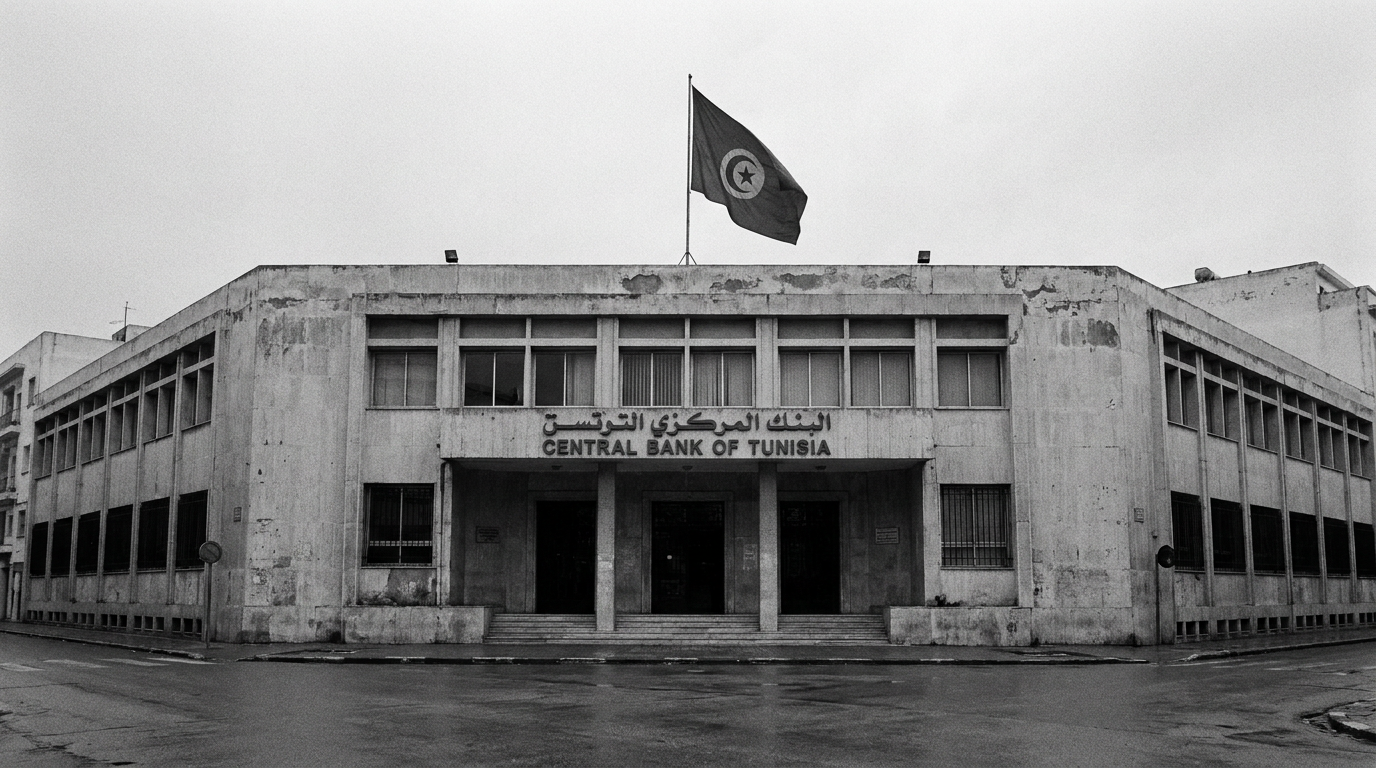
Tunisia marked the fifth anniversary of President Kais Saied’s suspension of parliament on July 25, 2026, a move that consolidated executive authority and continues to shape the country’s political and economic direction.
Officials and critics remain locked in a dispute over the results of the post-2021 governance model. Since Saied assumed emergency powers in July 2021, opposition groups and civil society organizations have kept up pressure on the administration, while public dissent has become more visible.
Investment slump and fiscal stress
Available indicators point to a prolonged downturn in investment. The investment rate fell from an average of 20 percent of GDP between 2015 and 2019 to 8 percent in 2023, underscoring a sharp reduction in capital formation over the period.
Analysts have linked the slide to a volatile regulatory environment and heavier tax burdens. Taxes have increased by five percentage points over the last decade, according to the same assessments cited in the source material.
The government has pursued austerity measures, including restrictions on public sector hiring. At the same time, the rejection of a formal International Monetary Fund agreement has added complications to Tunisia’s fiscal outlook, leaving uncertainty over how budget pressures will be addressed.
Detentions, protests, and international pressure
Politically, the landscape remains polarized. The detention of prominent opposition figures has been a defining feature of the current period, while street protests have continued, driven in part by worsening living conditions.
Protesters have pointed to utility shortages among the immediate pressures on daily life. The persistence of demonstrations highlights the depth of social frustration as economic concerns intersect with political grievances.
International scrutiny has also intensified. U.S. lawmakers have recently called for sanctions and travel advisories, citing concerns about the erosion of democratic institutions and what they describe as the state’s shifting geopolitical alliances.
Government response and unresolved questions
The administration has argued that current difficulties stem from structural problems that existed before the 2021 transition. That position frames the economic slowdown and social tensions as long-running issues rather than outcomes of recent political changes.
Key uncertainties remain over how Tunisia will stabilize its fiscal position after rejecting a formal International Monetary Fund agreement, and how authorities will respond to continued protests and criticism from opposition and civil society groups.
As the fifth anniversary passes, Tunisia’s immediate picture is defined by weaker investment, austerity policies, ongoing detentions and street mobilization, and rising external pressure tied to governance and diplomatic orientation.