Oil Prices Jump as Iran Blocks Hormuz Strait
Oil prices surged after Iran blocked the Strait of Hormuz on Feb 28, 2026, disrupting 30% of global oil supply amid escalating tensions.
Lauren Collins ·
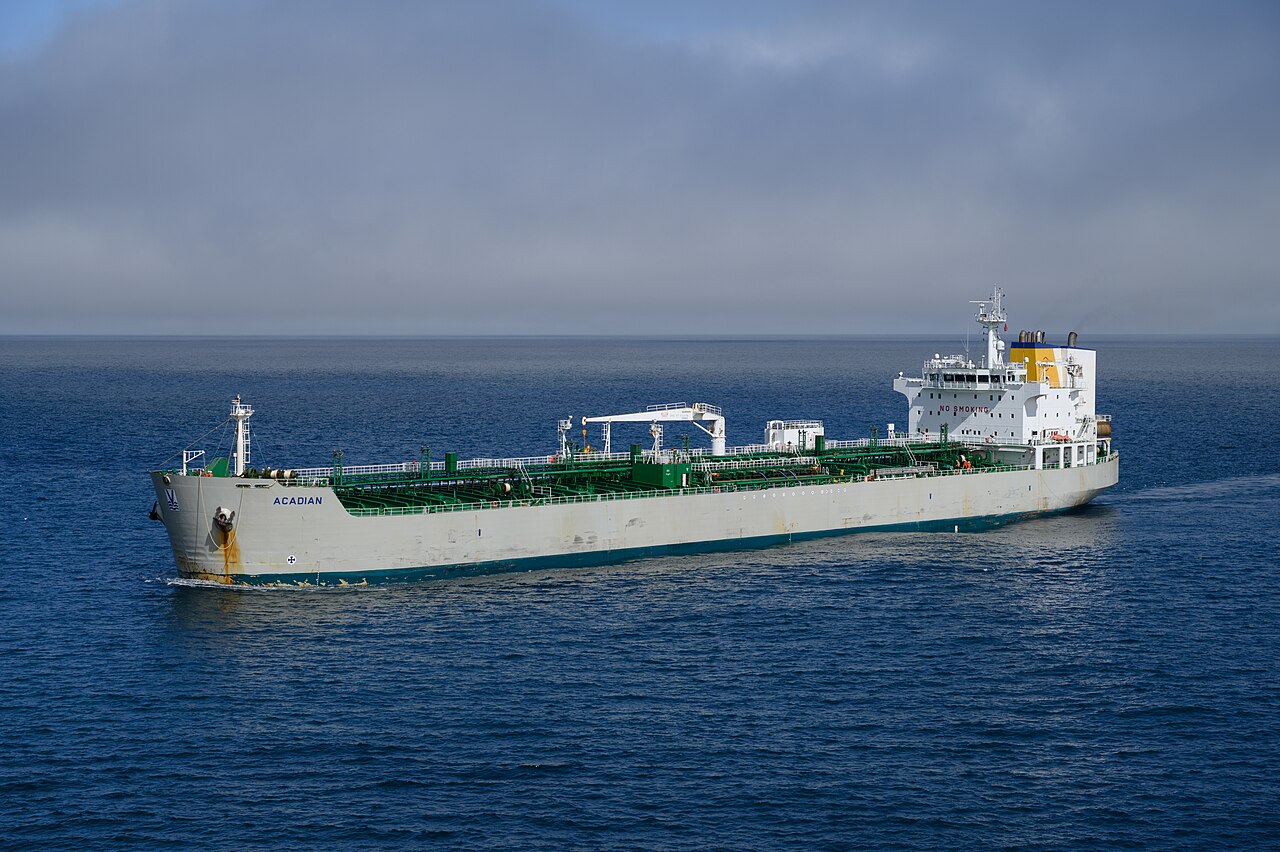
Global oil prices have experienced a significant increase following Iran's closure of the Strait of Hormuz, a vital maritime passage. This action, initiated on February 28, 2026, has disrupted international crude oil shipments and raised concerns about energy security and regional stability. The blockade emerged after a period of escalating military exchanges between Iran and a coalition including the United States and Israel.
Strait Closure and Global Impact
Escalating Tensions and Military Responses
International Calls for Naval Support
Underestimated Iranian Capability
Economic and Geopolitical Implications
Implications
Country Impact: The ongoing blockade and military actions could severely impact regional economies, particularly those reliant on oil exports and imports. Countries like Japan and South Korea, heavily dependent on Middle Eastern oil, face significant energy security challenges and potential economic downturns due to supply disruptions and price hikes.
Industry Impact: The global energy sector, especially oil and gas, is experiencing heightened volatility. Shipping and logistics industries face increased costs, delays, and insurance premiums for routes around the Arabian Peninsula. Manufacturing and transportation sectors worldwide will contend with higher fuel costs, potentially leading to reduced output and consumer price increases.
Market Impact: Global financial markets are reacting with increased uncertainty, leading to higher crude oil prices and potential sell-offs in equity markets. Bond yields may fluctuate as investors seek safe-haven assets, while currency markets could see shifts as energy-importing nations face economic strain. Inflationary pressures are expected to rise globally.