Trump's FISA Stance Complicates Reauthorization Efforts
Donald Trump's proposal to link the SAVE Act with FISA reauthorization complicates efforts for House Speaker Mike Johnson ahead of the April 20 deadline.
Lauren Collins ·
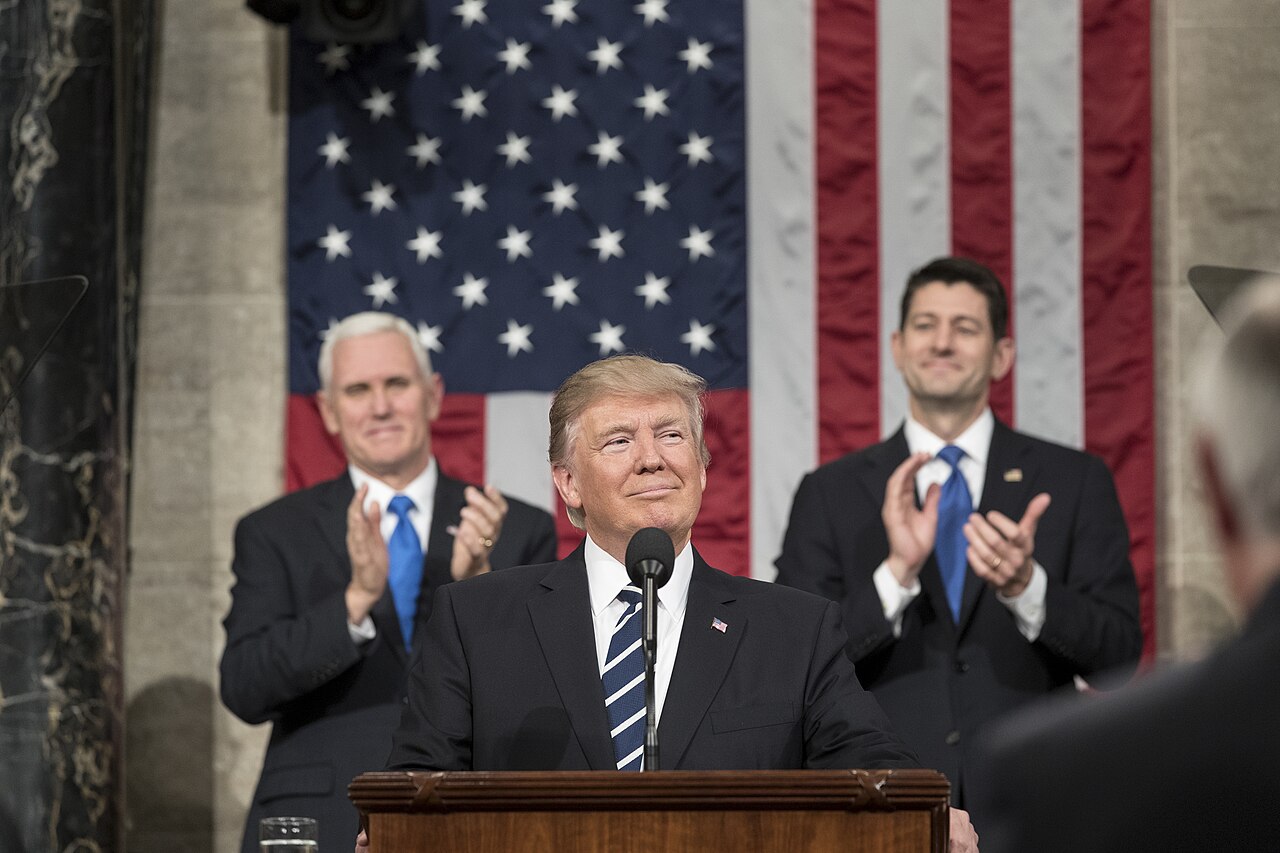
Former President Donald Trump's recent proposal to link the SAVE America Act with the reauthorization of Section 702 of the Foreign Intelligence Surveillance Act (FISA) has introduced significant legislative hurdles for House Speaker Mike Johnson. This development emerges as the critical FISA authority approaches its expiration deadline on April 20, necessitating congressional action.
Trump's suggestion, made during a Republican gathering, indicates a shift from prior calls for a straightforward extension of FISA. This position has emboldened a segment of conservative House Republicans who have previously threatened to obstruct FISA's renewal unless the SAVE Act is incorporated.
Legislative Deadlock Emerges
The House of Representatives faces a tight schedule, with only 12 legislative days remaining before the Section 702 authority lapses. While Speaker Johnson likely commands enough bipartisan support for FISA's ultimate passage, the procedural vote to bring the bill to the floor could encounter substantial resistance from these conservative members. Such procedural votes are frequently utilized by factions within Congress to exert leverage over legislative priorities.
Senate Action and House Pressure
The Senate is scheduled to deliberate on the SAVE Act in the coming week. However, its prospects for passage are considered low, primarily due to anticipated opposition from Democratic senators. Should the SAVE Act fail in the Senate, it is expected to intensify pressure from House conservatives to insist on its inclusion within the FISA reauthorization package, further complicating the legislative path in the lower chamber.
Background of Section 702
S. intelligence agencies to collect digital communications of non-Americans located outside the United States for foreign intelligence purposes. This authority is considered vital by national security officials for monitoring foreign adversaries and preventing terrorist attacks. S. person data without a warrant.
Political Dynamics and Future Outlook
The debate surrounding Section 702 has historically been contentious, balancing national security imperatives with civil liberties concerns. The current political climate, exacerbated by Trump's intervention, highlights the deep divisions within the Republican party regarding surveillance powers. Speaker Johnson must navigate these internal party dynamics while also seeking bipartisan consensus to prevent a lapse in a key intelligence tool.
Failure to reauthorize Section 702 could significantly impair the capabilities of U.S. intelligence agencies, potentially creating vulnerabilities in national security. The coming days will test congressional leadership's ability to reconcile differing viewpoints and secure passage of this critical legislation before the deadline.
Implications
Country Impact: A lapse in FISA Section 702 could diminish U.S. intelligence capabilities, potentially impacting national security and the ability to monitor foreign threats. The legislative gridlock also reflects broader political divisions within the U.S. Congress.
Industry Impact: The intelligence and defense sectors rely on stable legislative frameworks for surveillance authorities. Uncertainty surrounding FISA reauthorization could affect operational planning and resource allocation for intelligence agencies.
Market Impact: While not directly impacting financial markets, legislative instability and political infighting over critical national security tools can contribute to broader policy uncertainty, which markets generally disfavor.