U.S. Trade Court Strikes Down Trump’s 10% Import Tariff, Complicating China Talks
A U.S. federal court ruled against President Trump's 10% tariff, weakening the administration's leverage in upcoming trade talks with China.
Lauren Collins ·
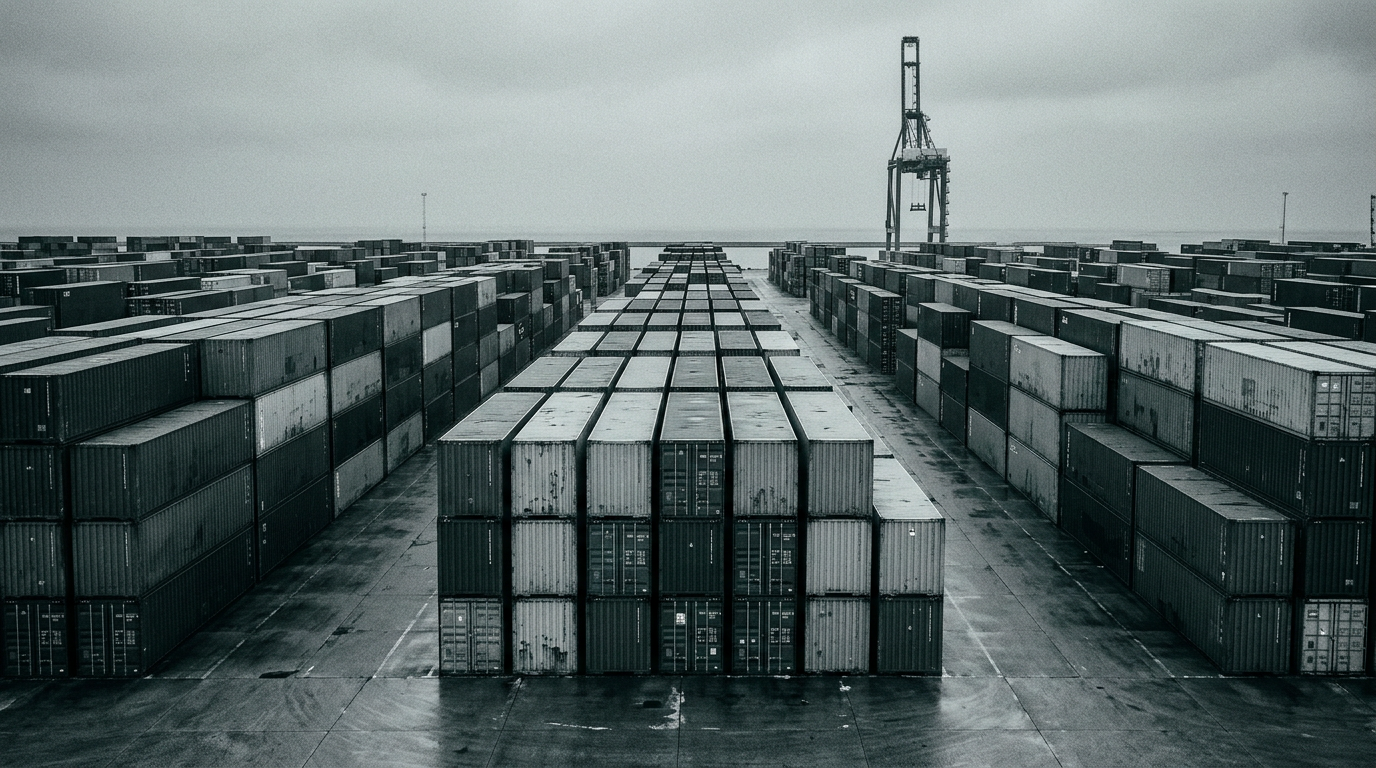
A U.S. federal trade court has ruled that President Donald Trump’s 10% tariff on nearly all imports was unlawful, a decision that could weaken the administration’s leverage ahead of planned talks with China.
The Court of International Trade said the White House exceeded presidential authority by invoking Section 122 of the Trade Act of 1974, a provision that allows temporary tariffs only under limited conditions, including a balance-of-payments crisis. The ruling marks another legal setback for the administration asourceser the Supreme Court previously invalidated an earlier attempt to use emergency powers to impose tariffs.
Impact on negotiations and next steps
The decision comes as Trump is expected to travel to Beijing next week to meet Chinese President Xi Jinping, where tariffs are likely to be a central issue. Cornell University economics professor Eswar Prasad said the ruling “severely handicapped” the administration’s ability to use tariffs as leverage against foreign nations.
The White House signaled it would appeal. In a statement, spokesman Kush Desai said the administration is reviewing legal options and remains confident it will ultimately prevail.
Potential repayments and alternative authority
The court’s ruling applies to the 10% across-the-board tariff and could raise the possibility that the U.S. government will have to repay billions of dollars collected from importers. The administration may seek to pursue tariffs through Section 301, a separate authority used in past trade disputes, but that process requires investigations and could take months.
In the near term, the ruling leaves the administration with a more constrained set of options as it continues broader trade negotiations and disputes.