Trump’s Iran Plan Trades Sequencing for Certainty
The proposed deal may ease pressure on energy flows, but its delayed nuclear settlement leaves the core dispute open.
Lauren Collins ·
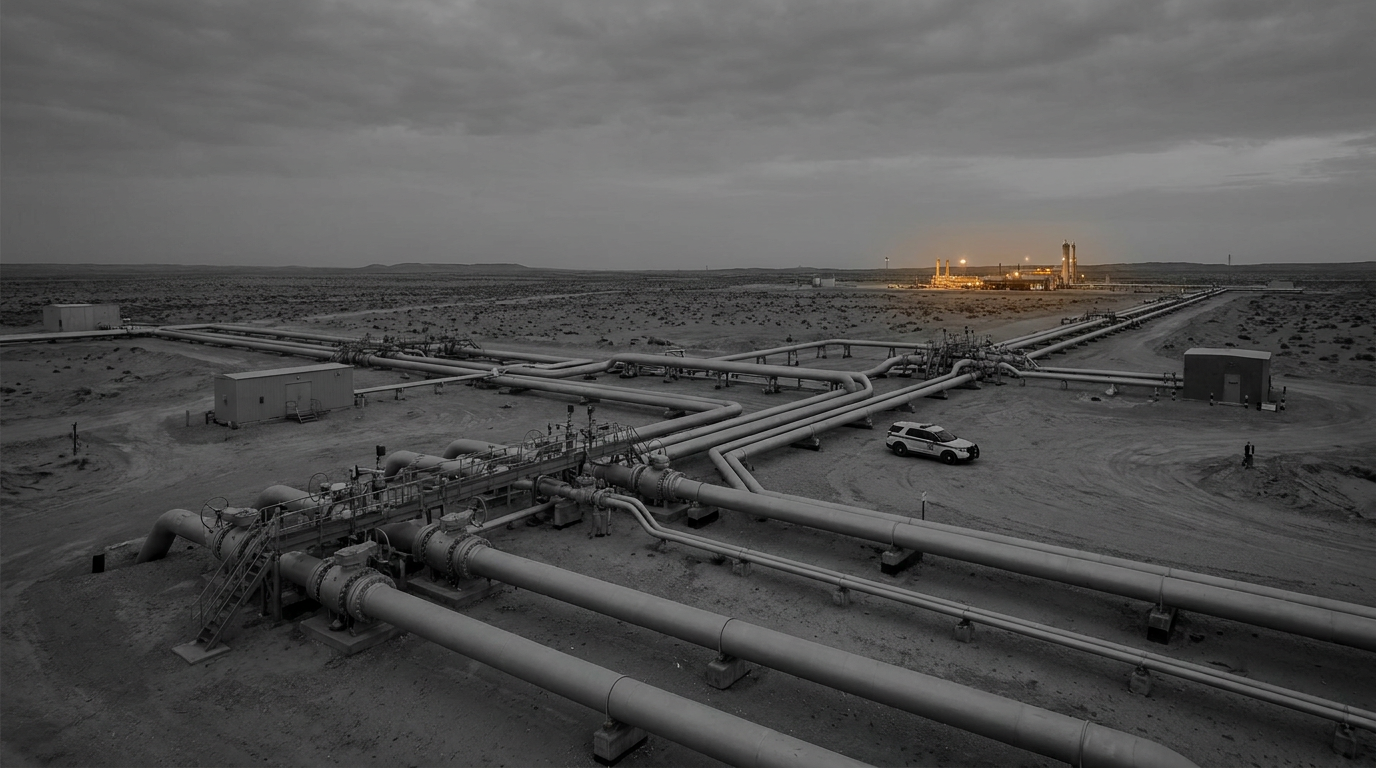
President Donald Trump’s proposed Iran agreement would try to reopen the Strait of Hormuz through a phased process, with Tehran receiving economic benefits only after meeting specific U.S. conditions. The framework, described by a senior American official on Friday, is meant to reduce the risk of Washington granting early concessions before Iran acts. It could also make the accord more fragile, because every stage would create another test of trust between two governments that have spent months fighting and disputing the facts of their negotiations. As of Saturday, June 13, 2026, U.S., Iranian and Pakistani officials were describing the deal as close, but not final.
Hormuz Comes First
The first practical test would be the Strait of Hormuz, the narrow Gulf waterway that carries a large share of the world’s seaborne energy trade. The U.S. official said the emerging accord contains provisions to restore shipping there, while Iranian Foreign Minister Abbas Araghchi has said Tehran wants to charge ships for services connected to transit. Washington and other governments have objected to Iran’s wartime toll system, and the disagreement over who manages passage through the strait shows why a simple reopening may not end the fight over control. Reports indicated that Pakistan’s Prime Minister Shehbaz Sharif said the deal could be finalized within 24 hours and followed by technical talks next week.
The 60-Day Nuclear Gap
The hardest question, Iran’s nuclear program, would not be fully resolved at signing. Araghchi said terms for handling the program would be worked out during the 60 days after an initial agreement, with a possible extension if both sides need more time. A senior U.S. official said that period would be used to settle technical arrangements for removing or destroying highly enriched uranium, but did not explain who would control the material, how verification would work, or what would happen if Tehran refused a later demand. That leaves the draft looking less like a final peace settlement than a temporary structure for managing escalation while negotiators confront the issue that helped drive the war.
For Iran, the bargain is economic: relief from sanctions and access to frozen assets would come in stages, not as a single payment at the start. Reports indicated that regional officials expect the agreement to include phased sanctions relief and the release of frozen Iranian funds, while other reports stated that Vice President JD Vance said economic benefits would flow only if Iran fulfills its commitments. That sequencing matters because it gives Trump a way to argue that Tehran is being paid for performance rather than rewarded for signing paper. It also gives Iran a reason to keep bargaining after the first signature, especially if domestic hard-liners decide the benefits are too slow or too limited.
Oil Markets Read Hormuz Closely
The energy stakes are large enough to make the deal a market event even before it becomes a diplomatic one. The U.S. Energy Information Administration said oil moving through Hormuz averaged 20 million barrels a day in 2024, equal to about 20% of global petroleum liquids consumption, and that roughly one-fifth of global liquefied natural gas trade also used the route that year. The International Energy Agency said the strait handled an average of 20 million barrels a day of crude and oil products in 2025 and warned that limited bypass options make disruptions especially damaging for world oil markets. A partial reopening could ease pressure on fuel and shipping costs, but any dispute over tolls, inspections, military escorts or commercial access could keep insurers, refiners and Asian importers cautious.
The diplomacy is also being shaped outside Washington and Tehran. Pakistan has presented itself as a mediator, with Sharif saying an agreed text had been reached, while other reports stated that Araghchi described the Islamabad memorandum as closer than ever to completion. Reports indicated that neither Washington nor Tehran had confirmed a final version, and that a senior U.S. official put the chances of a deal at roughly 80% to 85%, not 100%. That gap between public optimism and unresolved text is important: it lets both sides prepare their domestic audiences for compromise while preserving room to blame the other side if the agreement collapses.
Uranium Still Defines the Risk
The biggest risk is that the framework calms the shipping crisis without settling the nuclear dispute. The IAEA board passed a resolution this week demanding urgent Iranian cooperation and access, and reports indicated that the agency has been unable to verify the status of Iran’s near weapons-grade uranium stockpile since earlier strikes on nuclear sites. The same report cited the IAEA as saying Iran has 440.9 kilograms of uranium enriched up to 60%, a level close to weapons-grade, while Iran maintains that its program is peaceful. That means the next 60 days would decide whether Trump’s deal becomes a durable off-ramp or another pause in a conflict still driven by mistrust, regional war risks and unresolved nuclear verification.