Mullin DHS Nomination Faces Senate Scrutiny
Senator Markwayne Mullin's DHS nomination faces Senate scrutiny on January 15, 2025, over past statements on military experience.
Lauren Collins ·
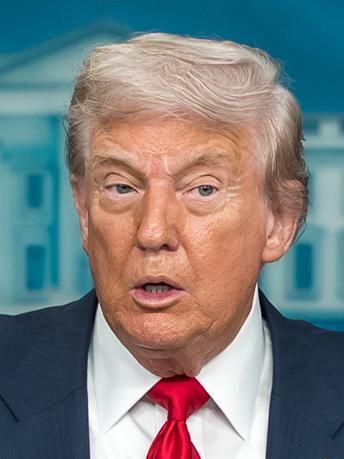
Senator Markwayne Mullin, nominated by former President Donald Trump to lead the Department of Homeland Security (DHS), is scheduled for a Senate confirmation hearing on Wednesday, January 15, 2025. The Oklahoma Republican's past statements concerning military and overseas experience are expected to be a primary focus during the proceedings.
Concerns have arisen from Mullin's public comments, which have frequently suggested direct involvement in combat or hazardous assignments, despite his lack of formal service in the U.S. armed forces. For instance, in a January 12, 2025, appearance on Fox News, Mullin described sensory details of combat, later clarifying that he was relaying the experiences of others, such as Secretary Pete Hegseth.
Background on Mullin's Claims
Prior to his 2012 election to Congress, Mullin reportedly indicated private security work in Middle Eastern conflict zones. His office recently recharacterized these activities as Christian mission work, undertaken alongside returning U.S. troops.
In a radio interview on January 13, 2025, Mullin stated he had performed "special assignments outside of DoD, now DoW," and collaborated with uniformed personnel without wearing a uniform himself. These remarks, coupled with earlier comments about the January 6, 2021, Capitol riot where he claimed prior experience in "similar situations," are anticipated to be thoroughly examined.
Senate Committee Review
The Senate Committee on Homeland Security and Governmental Affairs will conduct the confirmation hearing. Their review will assess Mullin's suitability for the critical DHS role, which oversees national security, border protection, and disaster response.
Historically, nominees for high-level security positions undergo rigorous vetting, with particular attention paid to their professional background and public record. The committee's inquiry will likely delve into the specifics of Mullin's overseas activities and his characterizations of those experiences.
Implications for the Nomination
The scrutiny over Mullin's past statements could significantly influence his confirmation prospects. Senators will evaluate whether his explanations adequately address the discrepancies between his public assertions and his actual service record.
Confirmation hearings for cabinet-level positions often become platforms for broader political debates, and the DHS role is particularly sensitive given its wide-ranging responsibilities. The outcome of this hearing will not only determine Mullin's future but also reflect on the Trump administration's selection process for key national security roles.
Broader Context of DHS Leadership
The Department of Homeland Security plays a crucial role in safeguarding the United States against various threats, including terrorism, cyberattacks, and natural disasters. The Secretary's leadership requires a clear and consistent public record, particularly regarding experience in high-stakes environments. The Senate's examination aims to ensure the nominee possesses the integrity and appropriate background for such a demanding position.
Implications
Country Impact: The confirmation process for the DHS Secretary is critical for national security, border management, and disaster preparedness. Delays or controversies could impact the department's operational stability and public confidence in its leadership.
Industry Impact: While not directly impacting specific industries, the leadership of DHS influences sectors involved in border security technology, emergency response services, and cybersecurity. A strong, credible leader is vital for effective collaboration with these industries.
Market Impact: Uncertainty surrounding key cabinet appointments can introduce minor political risk into market sentiment, though the impact of a single cabinet nomination on broader financial markets is typically limited unless it signals wider political instability.