Trump Weighs Jones Act Waiver for Fuel Transport
The Trump administration is considering a temporary Jones Act waiver to facilitate fuel transport, aiming to mitigate rising energy prices.
Lauren Collins ·
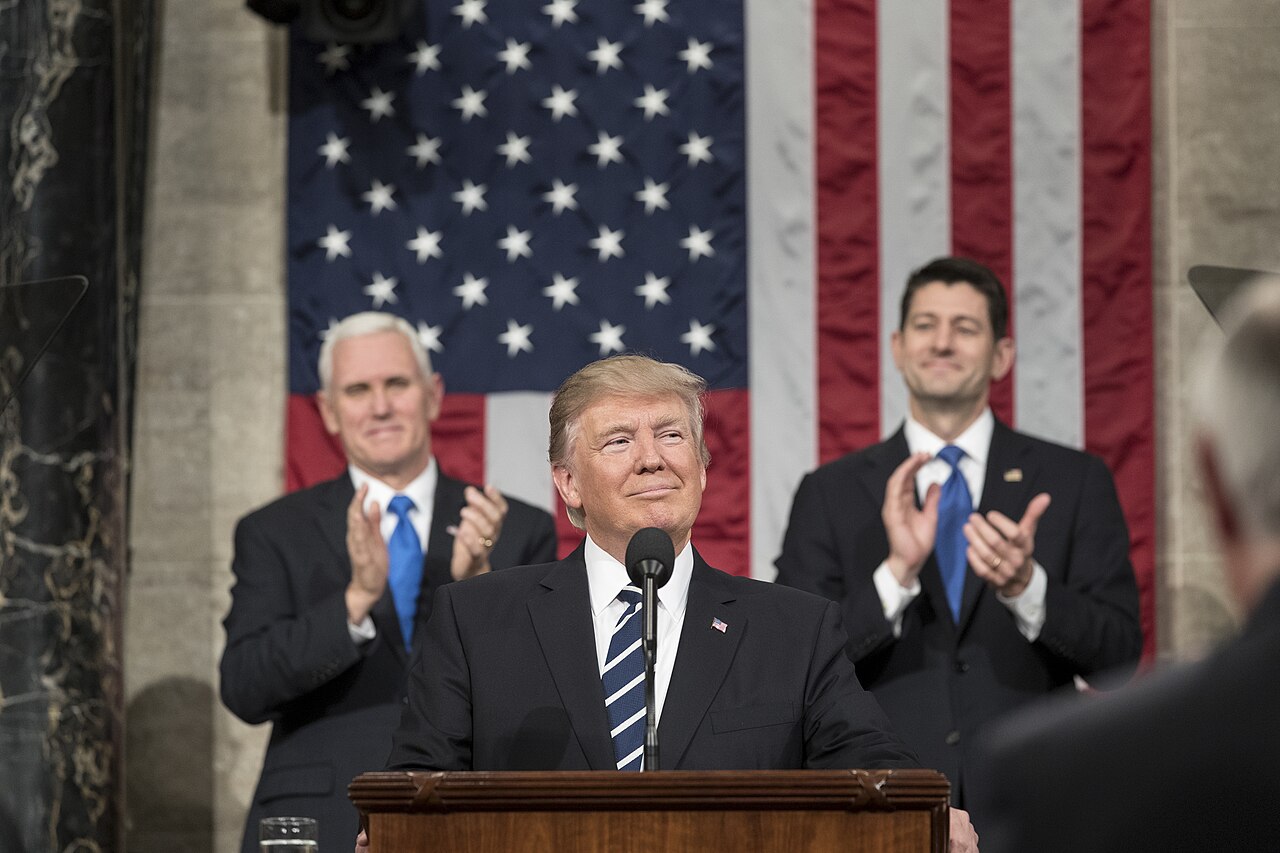
The Trump administration is evaluating a temporary suspension of the Jones Act to ease domestic fuel transportation, a move announced by the White House on Thursday. This consideration aims to address escalating energy costs and potential supply chain disruptions. The proposed waiver would permit non-U.S. flagged vessels to carry fuel between American ports, potentially increasing availability and reducing consumer prices.
This deliberation follows a significant surge in global oil and gas prices since February 28, attributed to recent military engagements involving the U.S. and Israel in Iran. Brent crude oil prices briefly surpassed $100 per barrel on Thursday, marking an 8% increase, while West Texas Intermediate (WTI) rose by nearly 9% to $95.02 per barrel.
Rising Energy Costs Prompt Review
The national average price for gasoline reached $3.60 per gallon on March 12. This represents a substantial increase of $0.65 from the previous month and $0.52 compared to the same period last year. The administration's focus on the Jones Act waiver is a direct response to these inflationary pressures.
Understanding the Jones Act
The Jones Act, a federal statute enacted in 1920, mandates that all goods transported by water between U.S. ports must be carried on vessels that are built in the U.S., registered under the U.S. flag, and crewed primarily by U.S. citizens. The law's original intent was to support the American maritime industry and ensure national security.
Previous Strategic Petroleum Releases
Prior to considering the waiver, the Trump administration, in coordination with the International Energy Agency (IEA), authorized the release of 400 million barrels of oil into global markets on Wednesday. This strategic release was intended to stabilize international oil supplies and mitigate price volatility. Such releases from strategic reserves are a common tool used by governments to counter sudden supply shocks.
Potential Economic and Political Implications
A temporary waiver of the Jones Act could have immediate economic implications by potentially lowering fuel transportation costs and increasing supply flexibility. However, it could also face opposition from domestic maritime industry groups who argue that the act is crucial for maintaining American shipbuilding capacity and maritime jobs. The decision remains under review, with no final determination announced.
Global Market Volatility
The recent geopolitical tensions in the Middle East have significantly impacted global energy markets, highlighting the interconnectedness of international politics and commodity prices. The administration's actions reflect a broader effort to manage the economic fallout from these events, balancing domestic economic concerns with international stability.
Implications
Country Impact: A temporary Jones Act waiver could alleviate domestic fuel shortages and reduce consumer energy costs across the United States. However, it might also draw criticism from the U.S. maritime industry, which benefits from the existing protectionist measures.
Industry Impact: The U.S. maritime shipping industry could face increased competition from foreign-flagged vessels if the waiver is implemented, potentially impacting domestic shipping rates and employment. Conversely, the energy sector could see improved logistics and reduced transportation bottlenecks.
Market Impact: Global energy markets could experience some stabilization if the waiver effectively increases fuel supply to the U.S., a major consumer. Domestically, lower fuel prices could ease inflationary pressures, potentially influencing bond yields and consumer spending patterns.