Trump says Strait of Hormuz will become US territory
Trump said Saturday the Strait of Hormuz would become US territory “pretty soon.” Iran rejected the claim as markets watch shipping risk.
Mateo Fernandez ·
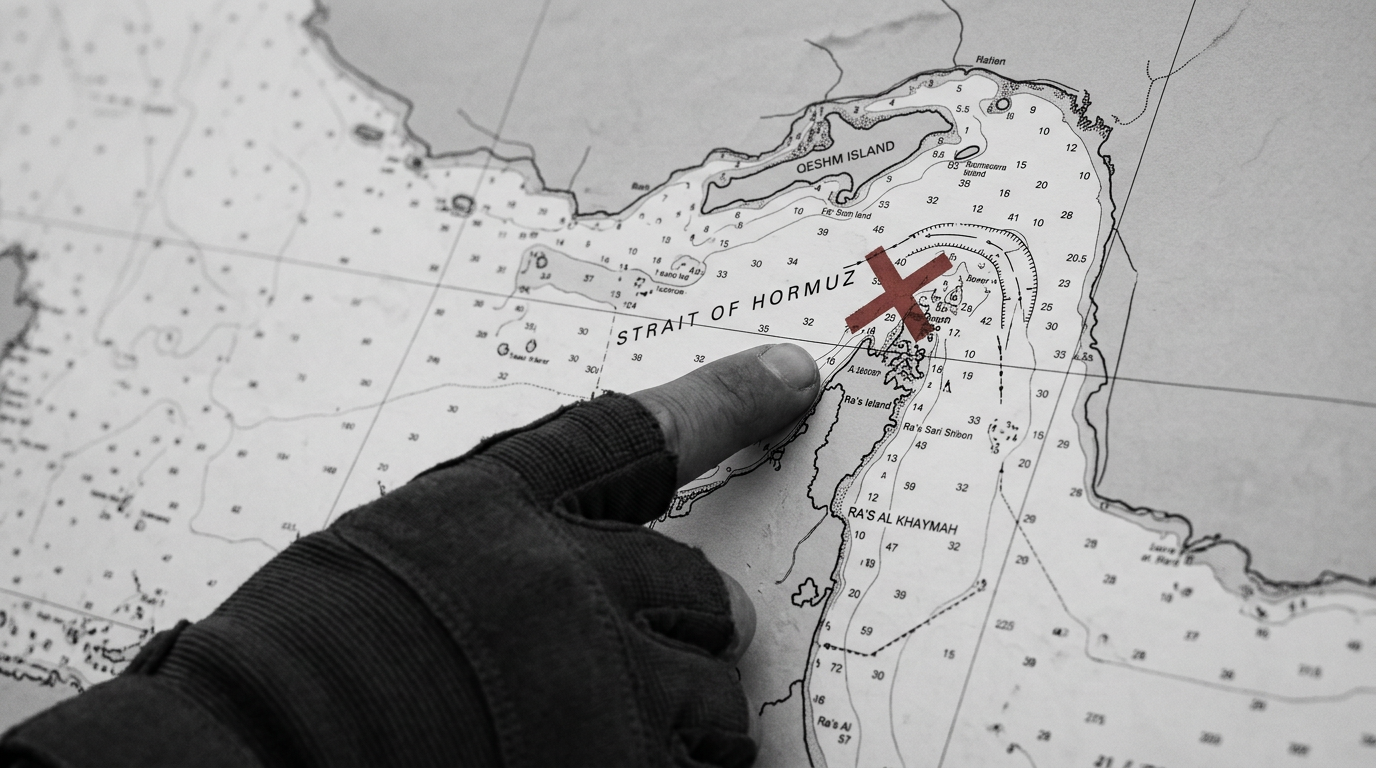
President Trump said on Saturday that the Strait of Hormuz would become US territory “pretty soon,” comments that drew an immediate rejection from Iran. Iranian officials responded that the waterway “will remain Iranian,” according to the source material.
The remarks intensified a dispute over a maritime route closely tied to oil and fuel shipments. The near-term focus in markets, as described in the source, is whether insurers, tanker operators, and refiners begin pricing a higher risk of disruption tied to the strait.
Iran rejects claim as status dispute sharpens Iranian Iran rejects claim as status dispute sharpens Iranian officials rejected Trump’s statement Iranian officials rejected Trump’s statement, setting up a direct clash over the status of a narrow passage linked to global crude and refined-product flows. The exchange, as presented, is framed as competing political assertions rather than a documented change to shipping rules. The source material did not cite any legal filing, military order, or shipping advisory accompanying Trump’s statement. In that context, the territorial claim is best understood, based on the provided facts, as rhetoric unless and until officials release a formal action that changes operational realities for vessels. Shipping, insurance, and refiners in the first line of exposure The immediate transmission channel to commodities pricing, the source said, is straightforward. If disruption risk is perceived to be rising, traders may mark up crude contracts, and fuel buyers may seek nearer-term coverage to protect against higher delivered costs. If traffic continues without incident If traffic continues without incident, the price impact may remain limited to a geopolitical risk premium rather than a physical supply shock. The source material did not provide any current oil-price move, leaving the market reaction as an open question rather than a reported fact. At the company level At the company level, exposure would fall first on refiners, tanker operators, and energy traders with cargoes scheduled through the area. Higher insurance costs or delayed sailings would raise delivered costs, while uninterrupted transit would keep attention centered on official statements rather than missing barrels.
Next 48 hours: signals that could turn rhetoric into constraints The watch window flagged in the source is the next 48 hours through Monday, August 17, 2026. The key question is whether any formal steps follow that would shift the issue from political positioning to actionable guidance for shipping and insurance.
Items to monitor include a White House order, an Iranian maritime notice, or insurer guidance that changes how voyages through the strait are underwritten or scheduled. Until such documentation appears, the main tradable input described is the market’s reassessment of risk rather than confirmed disruption.