Trump Campaigns in Ohio, Kentucky on Economic Platform
Former President Trump campaigned in Ohio and Kentucky on March 11, 2026, focusing on economic policies and criticizing Rep. Thomas Massie.
Lauren Collins ·
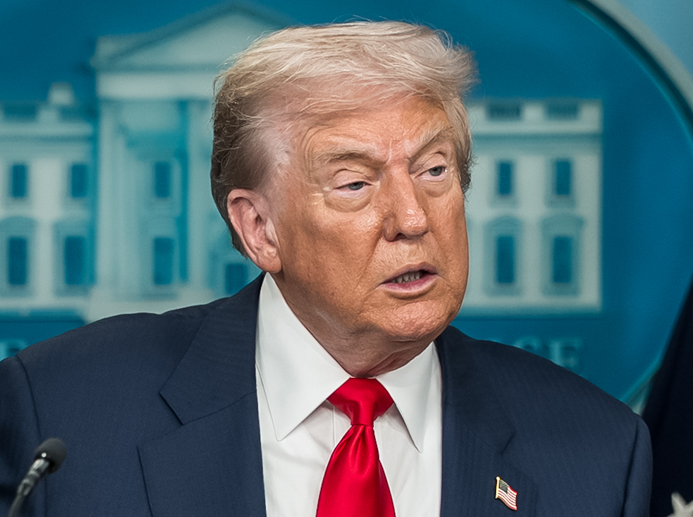
Former President Donald Trump conducted campaign events in Ohio and Kentucky on March 11, 2026, where he emphasized economic policy and criticized a sitting Republican Congressman. Trump presented his past administration's economic record as a model for future prosperity, citing specific figures related to energy costs and employment.
During his appearances, Trump highlighted an oil price of $64 per barrel and a 3.5% unemployment rate from 2026, attributing these outcomes to his previous policies. He specifically mentioned tax reductions and deregulation as key drivers for job creation and achieving energy independence for the United States.
The former president also used these rallies to target Representative Thomas Massie, a Republican from Kentucky. Trump criticized Massie's voting record and suggested disloyalty, encouraging primary voters to support different candidates in upcoming elections. This intervention underscores Trump's continued influence within the Republican Party and his strategic involvement in primary contests.
Political Strategy and Influence
His focus on economic metrics resonates with a significant portion of the electorate, particularly those concerned with cost of living and job security. The emphasis on energy independence also taps into a key policy debate within the United States, linking domestic production to economic stability and national security.
Economic Context and Claims
Historically, presidential campaigns frequently leverage past economic performance to bolster their arguments for future leadership. Trump's consistent messaging on these points aims to reinforce a narrative of economic strength under his tenure.
Implications for Republican Primaries
This strategy allows Trump to exert control over the party's ideological direction and ensure that candidates who advance to general elections are supportive of his platform. The outcomes of these primary contests will be closely watched as indicators of Trump's enduring power within the Republican Party structure.
Implications
Country Impact: The campaign activities reflect ongoing political polarization and the former president's continued influence on national political discourse, particularly within the Republican Party. Future policy debates may increasingly center on economic strategies and energy independence.
Industry Impact: The focus on energy independence and oil prices could signal potential shifts in energy policy discussions, impacting the oil and gas sectors. Deregulation rhetoric may also influence industries sensitive to government oversight.
Market Impact: Political interventions in primary elections can introduce uncertainty, potentially affecting local market sentiment in targeted districts. Broader market reactions may hinge on the perceived stability of future economic policies and political leadership.