Trump threatens to send ICE agents to US airports unless DHS deal reached
Donald Trump threatened to deploy ICE agents to U.S. airports unless Democrats agree to new security measures, amid a DHS funding dispute.
Lauren Collins ·
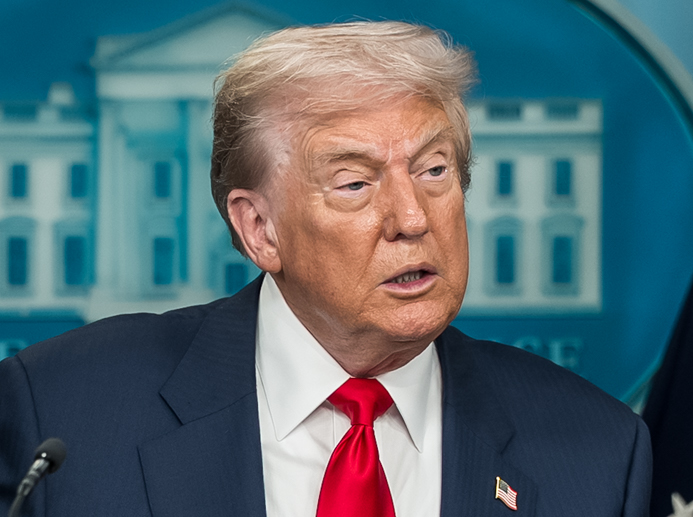
Former U.S. President Donald Trump announced on Saturday his intention to deploy Immigration and Customs Enforcement (ICE) agents to American airports. This action, slated to begin Monday, is contingent on Democrats agreeing to new security and immigration enforcement measures. The declaration follows a fifth Senate blockage of a Department of Homeland Security (DHS) funding bill, which has contributed to a partial government shutdown since mid-February.
The proposed deployment would involve ICE agents conducting security operations and apprehending undocumented immigrants. Reports indicate a specific focus on individuals from Somalia. This initiative would diverge from current airport security protocols, which are primarily managed by the Transportation Security Administration (TSA).
DHS Funding Impasse and Agency Operations
Political Context and Legal Framework
Legal Basis for Airport Enforcement
Broader Implications for Immigration Policy
Historical Context of Immigration Debates
Implications
Country Impact: The proposed deployment could intensify political polarization over immigration and federal authority, potentially exacerbating the ongoing government shutdown. It also raises concerns about civil liberties and the operational capacity of federal agencies.
Industry Impact: The aviation industry could face operational disruptions and increased scrutiny if ICE agents are deployed to airports, potentially affecting passenger flow and security procedures. Increased TSA staff shortages due to funding issues could also impact travel.
Market Impact: Uncertainty surrounding government funding and potential disruptions to federal services could contribute to broader market instability. The political impasse may deter investment and impact economic sentiment, particularly in sectors reliant on federal operations.