Trump Warns Iran Amid Gulf Attacks, Oil Concerns
Donald Trump warned Iran on March 13, 2026, over Gulf attacks impacting oil supplies, signaling potential U.S. military action.
Lauren Collins ·
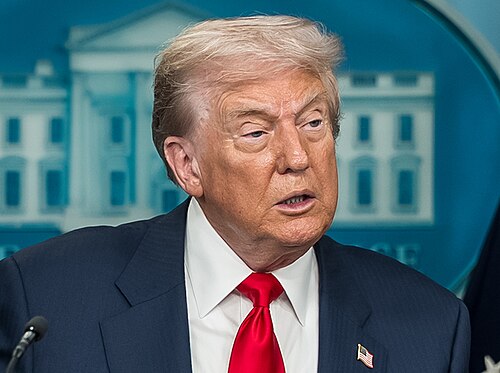
Former U.S. President Donald Trump issued a stern warning to Iran on March 13, 2026, indicating potential military intervention if recent aggressive actions in the Gulf region persist. This statement follows a series of attacks targeting Gulf states and Israel, which have significantly impacted global energy markets.
The recent incidents have led to a notable increase in international oil prices, primarily due to disruptions in energy supplies. The Strait of Hormuz, a vital chokepoint for global oil shipments, was specifically referenced in Trump's remarks, underscoring the strategic importance of the area to international trade and energy security.
Escalating Regional Tensions
These developments occur against a backdrop of heightened regional tensions. Prior to the recent attacks, reports emerged detailing Iran-linked cyberattacks targeting U.S. and other international entities. Such activities contribute to an environment of instability, raising concerns among international observers about the potential for broader conflict.
Historical Context of U.S.-Iran Relations
The relationship between the United States and Iran has been characterized by periods of intense friction and diplomatic challenges for decades. Under previous administrations, including Trump's first term, the U.S. adopted a policy of "maximum pressure" against Iran, withdrawing from the Joint Comprehensive Plan of Action (JCPOA) nuclear deal in 2018 and reimposing stringent sanctions. This historical context is crucial for understanding the current rhetoric and potential future actions.
Global Energy Market Implications
The Strait of Hormuz is a critical maritime passage through which approximately one-fifth of the world's total oil consumption passes daily. Any significant disruption in this waterway can have immediate and severe repercussions for global energy prices and supply chains. The current threats to shipping and energy infrastructure in the Gulf directly contribute to market volatility and uncertainty.
International Response and Outlook
International bodies and allied nations are closely monitoring the situation, with calls for de-escalation to prevent a wider regional conflict. The potential for military action, as suggested by Trump, introduces a new layer of complexity to an already volatile geopolitical landscape. The focus remains on diplomatic efforts to mitigate risks while ensuring the security of international shipping lanes and energy supplies.
Future developments will likely hinge on the nature and frequency of further incidents in the Gulf, as well as the responses from regional and international actors. The global community remains vigilant regarding the stability of the Middle East and its profound implications for the world economy.
Implications
Country Impact: The U.S. warning signals a potential shift towards a more confrontational stance with Iran, impacting regional alliances and diplomatic efforts. Gulf states face increased security risks and economic instability due to potential disruptions.
Industry Impact: The energy sector, particularly oil and gas, faces heightened volatility and supply chain risks, leading to increased prices and potential investment uncertainty. Shipping and maritime insurance industries will also see elevated costs and operational challenges.
Market Impact: Global financial markets are likely to react with increased risk aversion, potentially leading to sell-offs in equities and a flight to safe-haven assets. Oil prices are expected to remain elevated, contributing to inflationary pressures worldwide.