Trump: Iran's Military Targets Depleted After Strikes
Donald Trump claims Iran's military targets are depleted after U.S. strikes, suggesting the conflict is nearing an end.
Lauren Collins ·
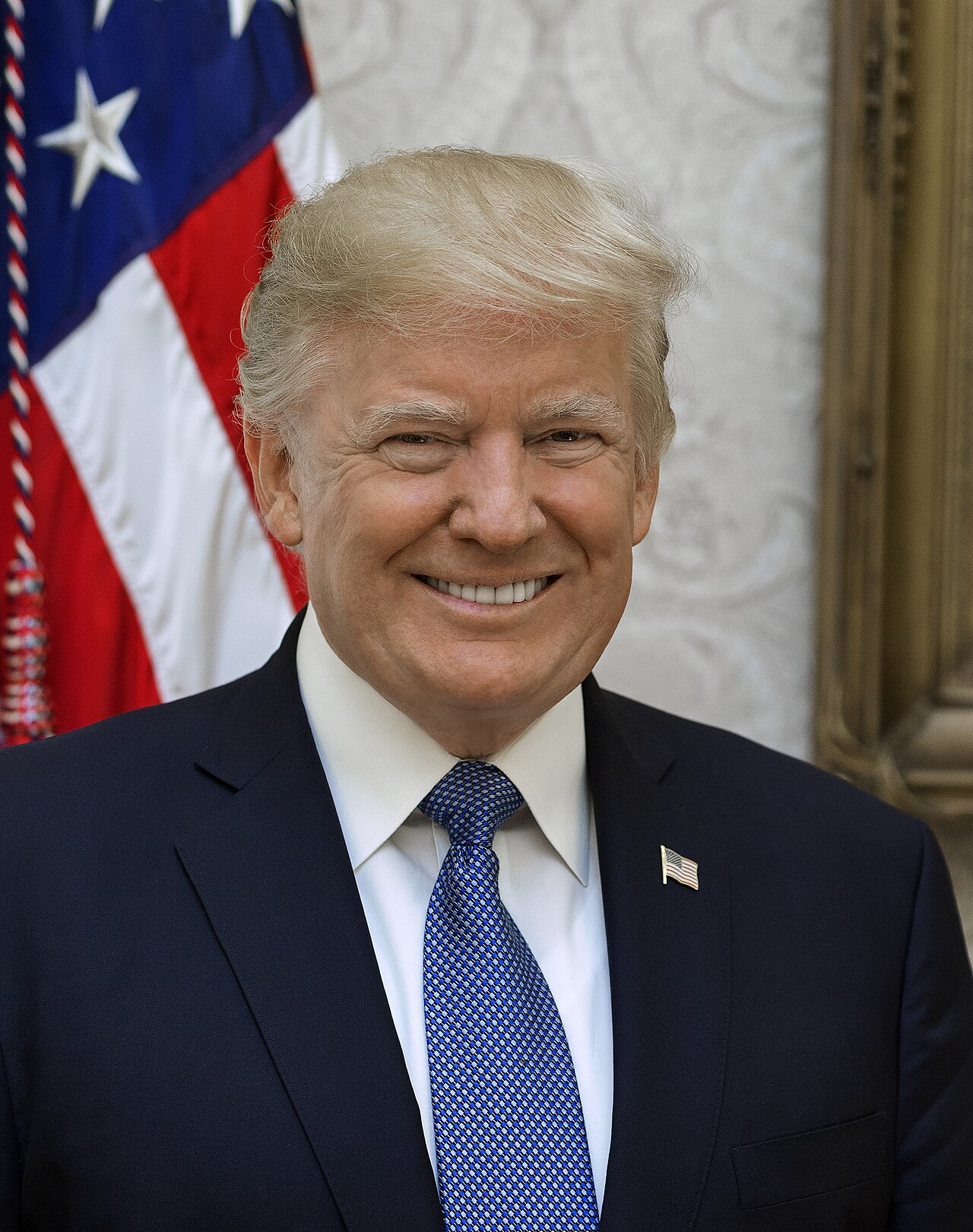
Former U.S. President Donald Trump asserted on Wednesday that the ongoing conflict with Iran is nearing its conclusion, citing a significant depletion of Iranian military targets. Speaking in a phone interview, Trump indicated that U.S. military actions have largely achieved their objectives against Iranian capabilities.
This statement follows recent U.S. military operations, which reportedly included the destruction of 16 mine-laying vessels and the disruption of Iranian strategic plans within the Strait of Hormuz. These actions were part of a broader effort to counter Iranian influence and safeguard maritime navigation in the critical waterway.
U.S. Military Objectives and Operations
Admiral Brad Cooper, head of U.S. Central Command (CENTCOM), outlined the U.S. military's mission to neutralize Iran's capacity for power projection and its interference with international shipping. Cooper noted a substantial reduction in Iranian missile and drone attacks, attributing this decline to the effectiveness of U.S. operations.
He further emphasized that U.S. combat strength in the region is increasing, while Iran's military capabilities are diminishing. This assessment underpins the strategic rationale behind the sustained military pressure on Tehran.
Contrasting Views on Conflict Duration
Despite Trump's declaration of an impending end to hostilities, officials from both the U.S. and Israel suggest that no internal directive has been issued to cease military actions. Israeli Defense Minister Israel Katz publicly stated that the conflict would persist "without any time limit" until all strategic goals are met.
Reports indicate that military planners are preparing for at least two more weeks of targeted strikes within Iran. This suggests a more prolonged engagement than implied by Trump's recent remarks, highlighting a potential divergence in public messaging versus operational planning.
Regional Geopolitical Context
The Strait of Hormuz remains a critical choke point for global oil shipments, making stability in the region paramount for international energy markets. Disruptions or threats to shipping lanes have significant economic implications worldwide.
The ongoing tensions between the U.S. and Iran, coupled with Israel's security concerns, contribute to a volatile geopolitical landscape in the Middle East. The effectiveness of military deterrence and the potential for escalation are closely monitored by international observers and market participants.
Outlook on Future Engagements
The differing perspectives on the conflict's duration underscore the complexity of the situation. While the U.S. aims to degrade Iran's military infrastructure and deter aggression, the broader political objectives and the timeline for achieving them remain subject to ongoing strategic assessments and regional developments. The coming weeks will likely provide further clarity on the trajectory of military operations and diplomatic efforts.
Implications
Country Impact: The U.S. and Israeli governments appear to have differing public timelines for the conflict's resolution, potentially impacting regional alliances and diplomatic strategies. Iran's military capabilities are reportedly being degraded, which could alter its regional influence.
Industry Impact: The stability of the Strait of Hormuz is crucial for the global energy sector. Continued military operations or threats could lead to volatility in oil prices and shipping insurance costs, affecting supply chains and energy security.
Market Impact: Uncertainty regarding the conflict's duration and scope could introduce risk premiums in global financial markets, particularly for oil and gas. Defense sector stocks might see increased interest, while broader market sentiment could be impacted by geopolitical instability.