Trump tariffs on 60 trading partners push manufacturers toward laxer jurisdictions
The Trump administration on July 24 imposed new tariffs of 10% and 12.5% on goods from 60 trading partners over alleged lax enforcement of forced labor bans.
Edward Mullen ·
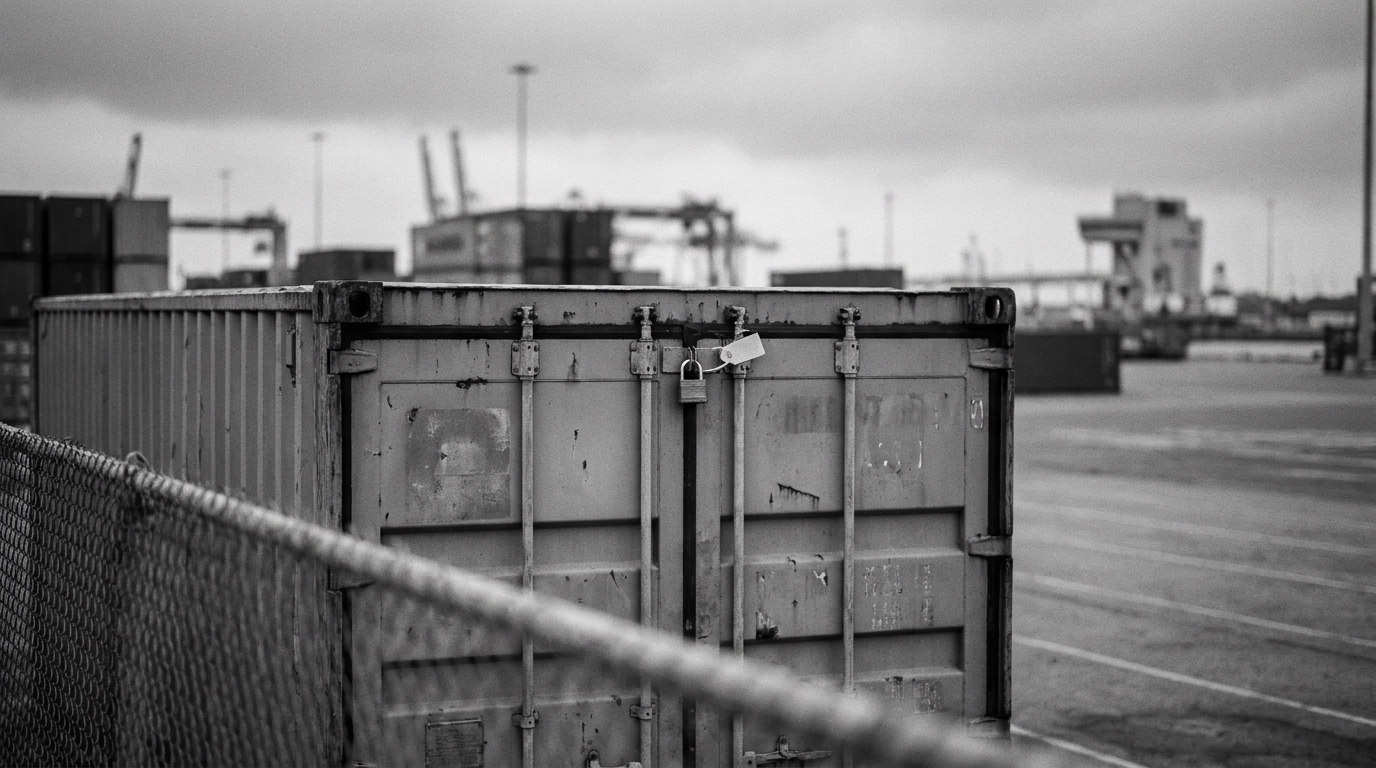
Many presume that tariffs deter bad actors, coercing them into better labor practices. Yet, the newly announced US tariffs on forced labor violations are unlikely to reform targeted jurisdictions. Instead, they will create significant incentives for manufacturers to move operations to regions with weaker oversight or laxer enforcement.
A punitive tariff with an ambiguous mechanism of change The policy is framed as a compliance tool: raise the price of goods from jurisdictions judged insufficiently rigorous on forced labor and thereby create market pressure to clean up supply chains. The reported action imposes two explicit rates, 10% and 12.5%, and targets 60 trading partners, timing the move as a temporary 10% global tariff lapsed.
That mechanical description is clear; what is not is how price signals translate into better labor enforcement on the ground, which the reporting does not trace.
Why regulators' stated goals risk creating arbitrage instead
The dominant read circulating in industry briefings will be that tariffs change incentives for suppliers to invest in compliance. That is plausible in tightly integrated supply chains with few geographically viable alternatives.
But in sectors where labor cost is the competitive edge, the much more likely immediate corporate response is to route around the tariff: shift orders to non-targeted countries, relabel origins via third-country transshipment, or accelerate sourcing from jurisdictions with weaker oversight. None of those responses reforms enforcement in the originally targeted countries; they simply relocate the production and the risk exposure.
The ca.news.yahoo.com report does not analyze these sourcing pathways.
What this means for Asia-Pacific manufacturers and buyers
For manufacturers in the Asia-Pacific, the tariff creates a bifurcation of outcomes. Exporters with documented, verifiable compliance and robust traceability will gain a commercial advantage; smaller suppliers without audited chains will face immediate price pressure.
For multinational buyers, the short-term procurement playbook will be reshuffling: more intensive origin audits, insurance and legal reviews, and, critically, evaluating alternative supplier pools in neighboring countries where enforcement is weaker and unit costs remain lower. The reporting notes the list includes the European Union and China but does not model where orders might flow instead.
The counter-read the coverage has not answered
A reasonable counter-argument is that the tariffs will coerce better practices because brands and retailers will prefer transparent suppliers to avoid reputational damage and disrupted shelves. That is the enforcement-faith reading the reporting implies.
But the packet contains no industry statements demonstrating commitment to reshoring or compliance investments that would support that coercive pathway, and it provides no evidence buyers are willing to accept increased unit costs in exchange for verified labor standards. Until such commitments are visible in contracts or public procurement rules, the arbitrage pathway remains the stronger economic prediction.
Hidden costs: procurement, legal exposure, and supply-chain complexity Even if the tariffs do not immediately drive production migration, they will increase transaction costs for buyers: more origin-certification work, longer lead times while suppliers are vetted, and greater legal exposure as firms try to navigate uncertain enforcement definitions. Those are balance-sheet and operational frictions that can disadvantage smaller brands and concentrate market power with large retailers that can absorb compliance costs.
The original report flags the tariffs and the countries covered but leaves these downstream buyer impacts unexplored.
Observable signals that would prove this wrong
Watch for three concrete, public signals that would falsify the regulatory-arbitrage thesis: large brands announcing and executing credible, costed plans to shift production back to high-compliance countries; authoritative international labor bodies reporting a sustained, attributable decline in forced labor in the targeted jurisdictions; and trade statistics that show imports from the 60 partners falling without a compensating rise in imports from other low-compliance countries. The ca.news.yahoo.com coverage gives the tariff rates and the country count but omits these corporate and statistical follow-ons that would validate the policy's enforcement channel.
The immediate executive question is procurement strategy: chief procurement officers and general counsels must decide whether to lean into expensive compliance verification that preserves existing supplier relationships or to rebalance networks toward lower-cost, lower-compliance alternatives. The tariff is a regulatory shock; how companies adjust will determine whether the policy reduces forced labor or simply redistributes it.
The reporting establishes the action — 10%, 12.5%, 60 partners — but not the downstream corporate responses that will decide the outcome.