Trump Urges Allies on Hormuz Naval Deployment
U.S. President Trump urges allies to deploy naval assets to the Strait of Hormuz amid oil supply disruptions, impacting global energy markets.
Lauren Collins ·
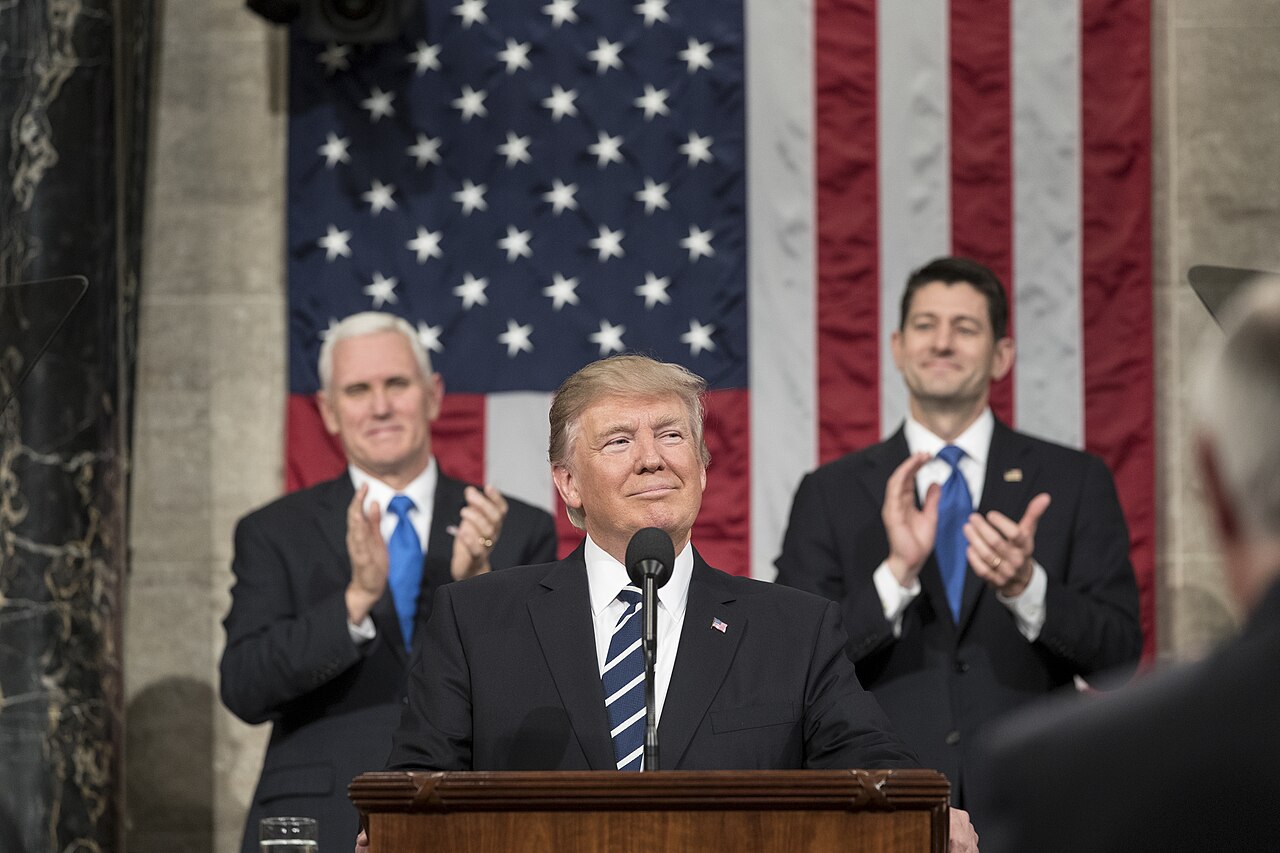
U.S. President Donald Trump has escalated calls for European allies to contribute naval forces to the Strait of Hormuz. This diplomatic push comes amid significant disruptions to global energy and trade routes, attributed to actions by Tehran. The Strait's effective closure has led to a substantial reduction in oil supplies, causing global crude prices to rise above $104 per barrel.
President Trump explicitly linked the future viability of NATO to allied cooperation in safeguarding commercial shipping and ensuring the free flow of oil. He cautioned that a failure to assist in these efforts would have severe repercussions for the alliance. The U.S. administration has reportedly contacted seven nations seeking support for a naval presence in the critical waterway.
International Response to Hormuz Crisis
Despite the U.S. appeals, several key allies have not committed to deploying warships to the Strait. Australia, France, Japan, and the United Kingdom have indicated no immediate plans to send naval assets. This stance persists even as the blockade enters its third week, contributing to elevated global energy costs.
Japan, a nation heavily reliant on Middle Eastern oil imports, has initiated the release of its strategic oil reserves. The country, which sources 90% of its oil via the Strait of Hormuz, began by releasing 15 days of private reserves, followed by a month's supply from state-owned stockpiles. This marks Japan's first such release since 2022, underscoring the severity of the supply disruption.
Diplomatic Engagements and Economic Impact
European Union foreign ministers are slated to discuss expanding a limited naval mission in the Middle East. However, current expectations suggest this mission will not extend its operational scope to the Strait of Hormuz itself. The EU's cautious approach highlights the complex geopolitical considerations involved in the region.
President Trump also urged China, a major consumer of oil transiting the Strait, to contribute to securing the waterway. He suggested that a lack of cooperation from Beijing could potentially delay a planned summit with President Xi Jinping. The ongoing disruption represents the largest oil supply interruption in history, stemming from retaliatory actions following U.S. and Israeli airstrikes.
Geopolitical Stakes and Future Outlook
The current situation in the Strait of Hormuz underscores the fragility of global energy supply chains and the intricate balance of power in the Middle East. The U.S. administration's efforts to rally international support reflect the broad economic and strategic implications of the waterway's closure. The lack of immediate commitments from allies suggests a divergence in strategic priorities or a reluctance to escalate tensions further.
Continued pressure on global oil prices and the potential for broader economic instability remain significant concerns. The diplomatic efforts to secure the Strait will likely continue, with the U.S. seeking to forge a multinational coalition to ensure maritime security and prevent further economic fallout.
Implications
Country Impact: The U.S. is pressuring allies to commit naval resources, testing the cohesion of alliances like NATO. Japan has initiated strategic oil reserve releases, indicating direct economic impact and a need for energy security measures.
Industry Impact: The global energy sector faces significant supply disruptions, leading to increased oil prices. Shipping and trade industries are experiencing heightened risks and operational challenges in the Middle East.
Market Impact: Global oil markets are reacting to supply shortages with price increases. Broader financial markets may experience volatility due to geopolitical tensions and potential economic slowdowns from higher energy costs.