Trump Observes Fallen Service Members' Transfer at Dover
Former President Trump observed a dignified transfer of U.S. service members killed in the U.S.-Israeli conflict against Iran at Dover Air Force Base.
Lauren Collins ·
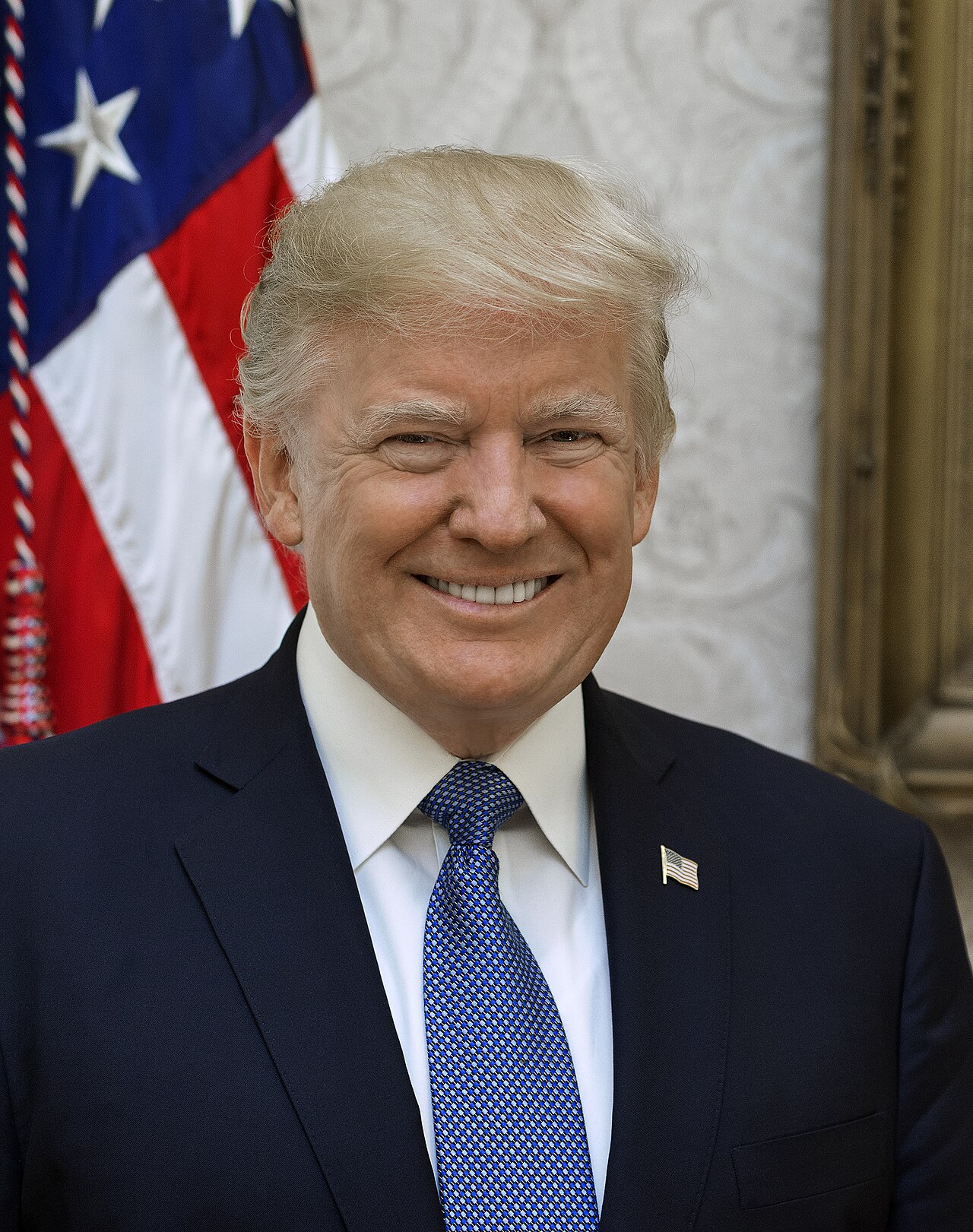
Former President Donald Trump attended a dignified transfer ceremony for deceased U.S. service members at Dover Air Force Base in Delaware on Saturday. The event honored individuals killed in the U.S.-Israeli conflict against Iran. This marks a notable instance of a former president participating in such a ceremony for casualties from a conflict initiated during his own administration.
Trump was accompanied by former First Lady Melania Trump and members of his former cabinet. The ceremony took place approximately one week after the initial strikes in the conflict began, which have resulted in at least six American fatalities.
Presidential Tradition of Honoring Fallen Troops
The dignified transfer of remains at Dover Air Force Base is a long-standing tradition for U.S. presidents. Both former President Barack Obama and current President Joseph R. Biden Jr. have participated in similar ceremonies.
President Obama made an unannounced visit in 2009 to honor 18 Americans who died in Afghanistan. More recently, President Biden attended transfers in 2021 for those killed in Afghanistan and again in 2024 for three service members killed by Iran-backed militias.
Context of Ongoing Conflict and Casualties
During his presidency, Trump had previously acknowledged the emotional difficulty of these ceremonies, particularly the task of writing letters to the families of fallen soldiers. He has also publicly stated his expectation of additional casualties as the conflict continues.
Trump has not dismissed the possibility of deploying ground forces to the Middle East. He has also suggested that retaliatory actions could occur within the United States, indicating a broad scope for potential responses to the ongoing situation.
Implications
Country Impact: The event underscores the human cost of ongoing military engagements, potentially influencing public opinion and future policy debates regarding U.S. involvement in the Middle East.
Industry Impact: Defense sector implications could arise from discussions around troop deployments and retaliatory actions, potentially affecting military spending and resource allocation.
Market Impact: Geopolitical tensions and military actions can introduce market volatility, particularly in energy markets, and influence investor sentiment regarding regional stability.