Trump cuts US-South Korea military drills this year
Trump cuts US-South Korea military drills this year, removing large field training and some command-post elements; officials cited strain and deterrence risks.
Mateo Fernandez ·
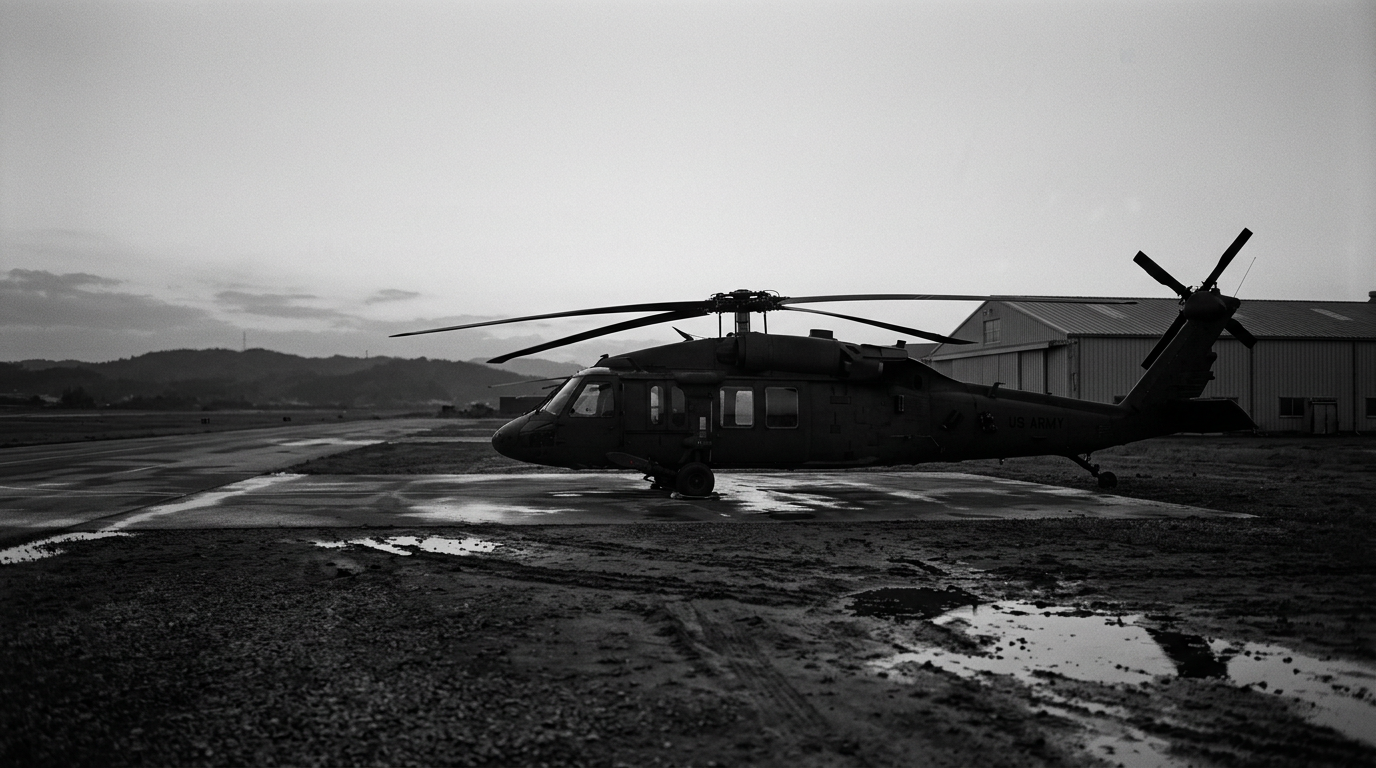
President Trump said on August 17 that the United States will scale back major joint military exercises with South Korea, a change that officials warned could reduce the alliance’s deterrence posture. Officials described the decision as a reduction in the size and scope of drills planned for this year rather than a full cancellation.
According to officials, the adjustment removes large field training portions and trims some combined command-post elements from the scheduled exercises. They did not specify how many events would be altered or how many personnel would be affected, leaving key operational details unclear.
Pentagon cites strain from competing deployments
President Trump
The Pentagon said the scale-back reflects what officials characterized as operational strain on US forces. Officials pointed to competing commitments that they said make it difficult to sustain large-scale deployments for exercises at the previously planned level. Officials framed the decision as an effort to preserve essential functions while easing pressure on forces tasked across multiple missions. However, the Pentagon did not release a public breakdown of which specific training objectives would be reduced and which would remain intact. Allies adjust planning as deterrence questions surface Officials said planners in South Korea and Japan will need to revise training calendars and revisit operational assumptions in response to the smaller drills. They said those adjustments could raise near-term burdens on bilateral readiness as forces compensate for reduced large-scale practice.
Officials also said adversaries are likely to read smaller exercises as a change in US signaling. They added that allies are assessing what the reductions could mean for deterrence, even as the administration argues the move keeps core capabilities in place.
In practical terms, officials indicated the immediate impact will fall on the scale of combined maneuver training and selected command-post components that support integrated decision-making. With no numbers disclosed, it remains uncertain how much training time will be lost and which units will absorb the largest changes.
Revised multi-year exercise plan due by Sept. 15, 2026 Officials said a revised multi-year exercise plan is expected to be finalised by September 15, 2026, ahead of allied planning talks. They described that date as a pivotal milestone for determining whether the current reductions are temporary or whether they begin to reshape longer-term force posture in the region.
Until that plan is completed, officials said allied militaries will be working with an incomplete picture of future exercise scope. The administration’s position is that essential training will continue, while officials’ concerns center on whether a sustained shift away from large exercises could erode deterrence over time.
The scale-back, officials said, will be watched closely across the alliance as both sides balance readiness needs with the Pentagon’s stated constraints. The next concrete test will come as planners translate the decision into specific exercise designs and personnel requirements for the remainder of this year.