Trump says US will claim Strait of Hormuz as territory
Trump says the US will declare the Strait of Hormuz as US territory, but no order, legal text, or notice was cited and reactions were pending.
Mateo Fernandez ·
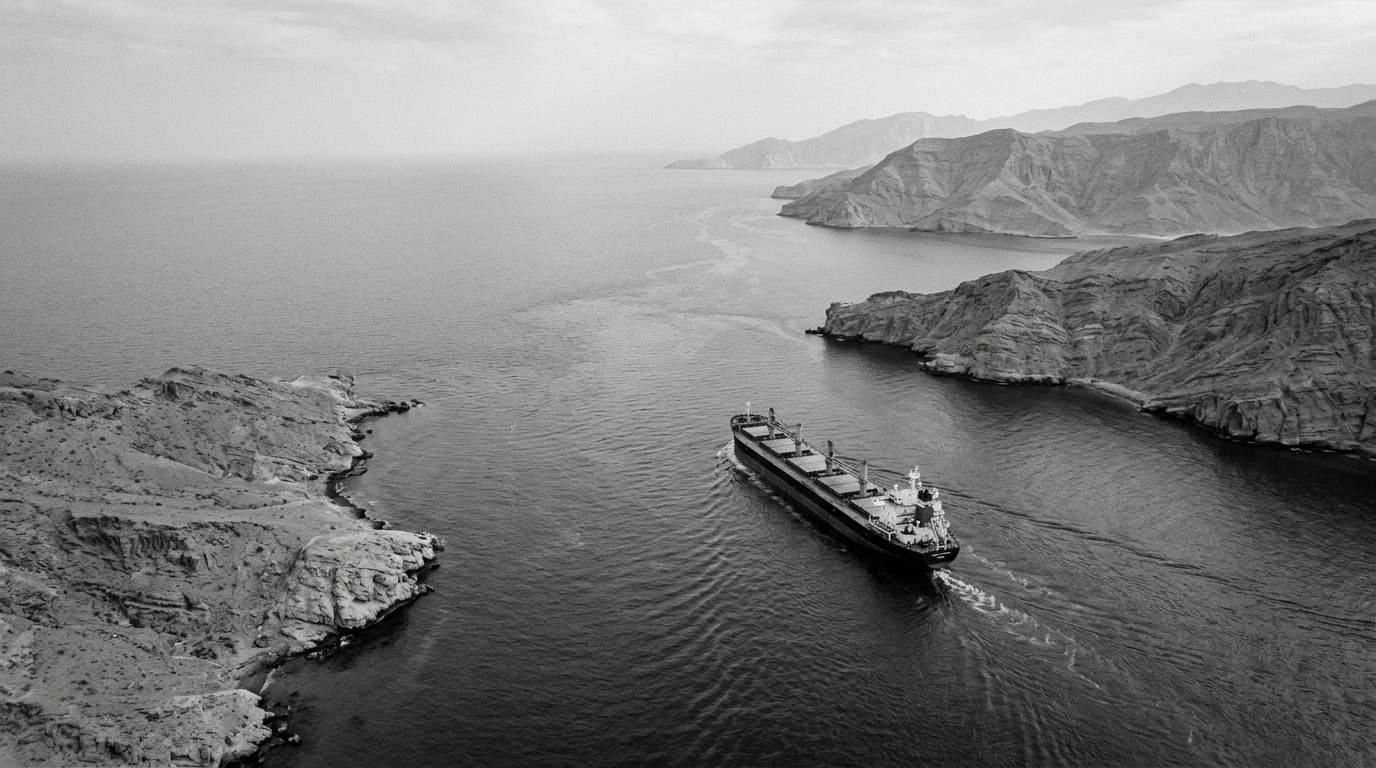
President Trump said on Friday that the United States will declare the Strait of Hormuz as US territory, a statement that challenges a maritime corridor whose jurisdiction is shared by Oman and Iran. The remarks were delivered from Long Island, New York, and officials had not pointed to any implementing order, legal text, or diplomatic notice connected to the announcement.
Immediate reactions from relevant parties were not yet available following Trump’s comments. In the initial account of the remarks, no document or directive was cited that would translate the statement into an operational policy.
Statement made without referenced legal or diplomatic steps Statement made without referenced legal or diplomatic steps President Trump The absence of formal steps is central to how the comment is being assessed. As described in the account, the near-term question for the administration is whether Trump’s language becomes an official position through a written order or clarification, or whether it remains a political statement without follow-through. The statement, if later formalized, would amount to a direct US claim over a sea passage currently governed under existing regional jurisdiction. However, officials did not cite any instrument that would define the legal basis, scope, or method of implementation. Why the Strait of Hormuz carries outsized security weight The Strait of Hormuz is widely viewed as a central element in Gulf security calculations because passage conditions shape energy shipping, naval posture, and the risk premium that can be attached to Middle East tensions. For that reason, language framed as a territorial claim is treated differently than other types of signaling described in the account. Trump’s phrasing was highlighted as distinct from measures such as a security warning, a sanctions threat, or a naval deployment. The practical consequences, as outlined, depend on whether the comment is paired with steps that alter legal positions or operational behavior. Potential ripple effects for energy, shipping, and markets For global macro markets, the initial channel of impact described is oil-risk pricing, if traders interpret the statement as raising the chance of disruption or military confrontation. Whether any pricing effect persists, the account noted, would depend on subsequent actions and responses. For energy and shipping companies For energy and shipping companies, the immediate operational significance is linked to whether Oman, Iran, or US agencies respond through legal filings, changes in patrol posture, or diplomatic protests. Without formal steps, firms may treat the episode primarily as headline risk rather than a binding change in operating conditions.
If a formal claim emerges later, insurers, shippers, and governments could face a more concrete need to reassess exposure to Gulf routes. At this stage, the key uncertainty remains whether documentation is issued that sets out a legal basis and explains how any claim would be implemented.
Timeline focus set out in the account: August 16, 2026 The account identified August 16, 2026 as the main test for whether the White House issues a written directive or clarification defining the legal basis for Trump’s statement. Until such documentation appears, it remains unclear whether the remarks will translate into an actionable policy shift.