US Secures Majority Control of Venezuelan Oil Reserves
The US has secured majority control over 65 billion barrels of Venezuelan oil, shifting global energy dynamics, President Trump announced on August 29, 2026.
Mateo Fernandez ·
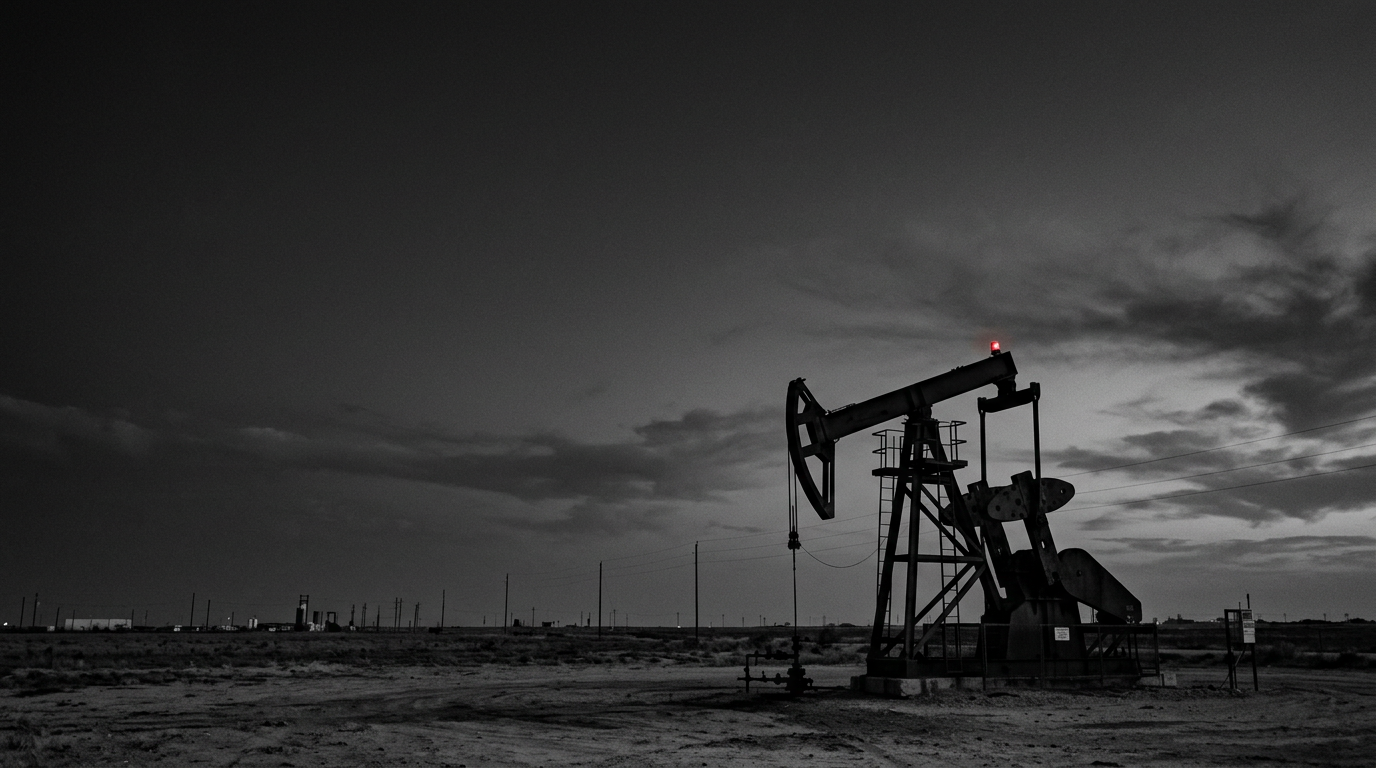
President Trump announced on August 29, 2026, that the United States has finalized an agreement with Venezuela, granting the US "majority control" over a substantial portion of Venezuela's oil reserves, specifically more than 65 billion barrels. This development positions a significant crude oil base at the core of American energy strategy, although immediate reactions from oil markets were not available following the statement.
The presidential declaration outlines a framework that would provide Washington with partial operational authority over Venezuelan oil assets, rather than a conventional purchase or supply contract. Initial details provided by the President did not include specifics regarding production schedules, pricing mechanisms, the corporate entities that would operate the assets, or the enforcement protocols for the arrangement.
Market Implications and Operational Hurdles
For global commodities markets, the existence of large reserves is only one aspect; the critical factor is the ability to produce and transport crude. The practical impact hinges on whether these barrels can be extracted, financed, shipped, and insured under the new conditions. Furthermore, the operational viability could be significantly influenced by existing sanctions policies and the internal political landscape within Venezuela.
Venezuela possesses some of the world's largest proven oil reserves. However, the sheer volume of these reserves does not automatically translate into immediate export capabilities. Decades of underinvestment, mismanagement, and international sanctions have severely hampered its production capacity and infrastructure. The current announcement raises questions about how these long-standing challenges will be addressed.
Future Supply Channels and Sanctions Review
If the newly announced agreement provides clear operating rights that attract investment and clarifies the status of sanctions, it could potentially establish a new and significant supply channel for global refiners and crude oil traders. Conversely, if the deal remains largely a political declaration without legally binding terms and practical implementation, its immediate effect on the physical supply-demand balance of oil would likely be minimal.
A key uncertainty revolves around whether US and Venezuelan authorities will release the binding terms and conditions that underpin President Trump's statement. Market participants are anticipated to focus intently on August 30, 2026, and subsequent days for any official documentation. Such documents would need to identify the specific assets involved, name the parties responsible for operational control, and outline a timeline for these barrels to reach international export markets. The broader geopolitical and economic ramifications of such an arrangement are substantial, potentially altering global energy security dynamics and the balance of power in the Western Hemisphere.