Trump Questions NATO's Role Amid Mideast Tensions
Former U.S. President Trump questioned NATO's relevance after allies declined to join a Strait of Hormuz naval force amid Mideast tensions.
Lauren Collins ·
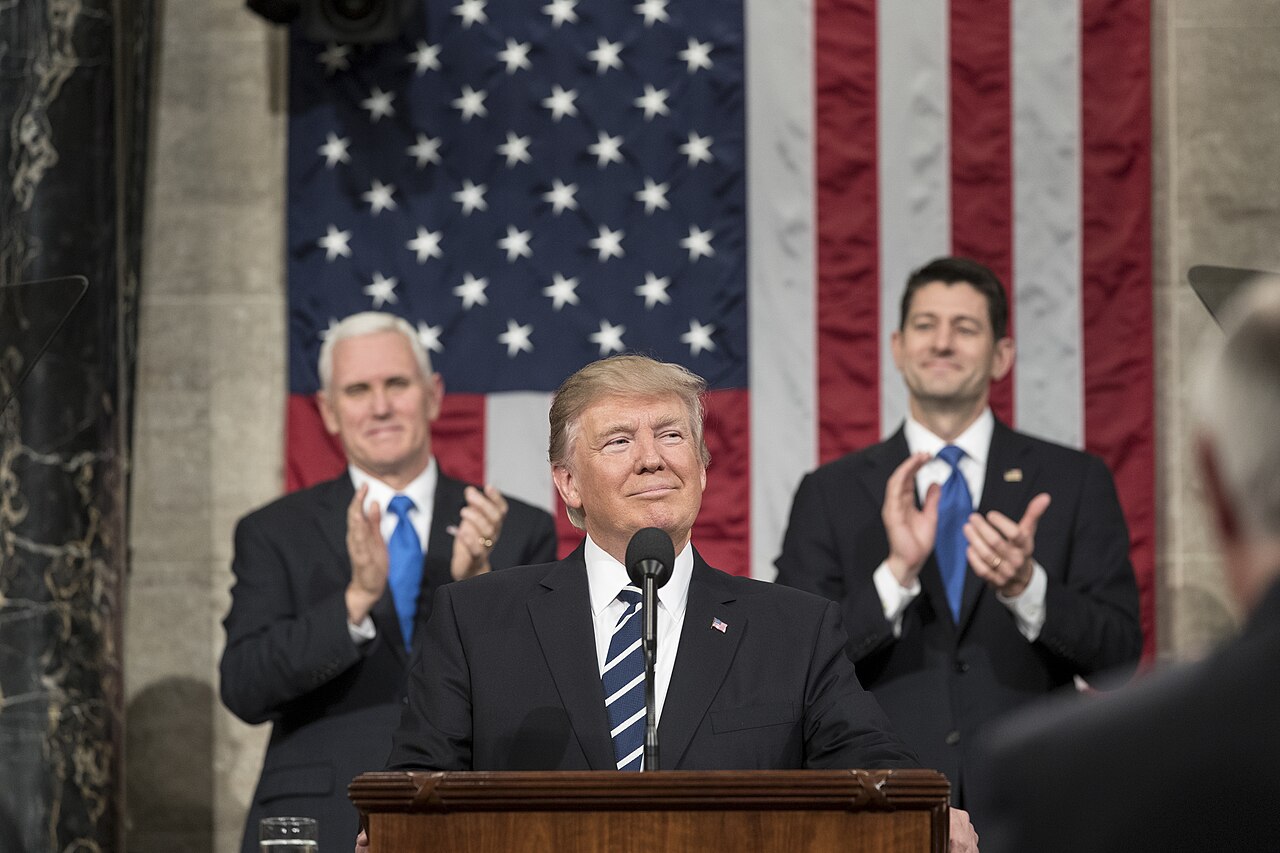
Former U.S. President Donald Trump recently questioned the continued relevance of the North Atlantic Treaty Organization (NATO) following the refusal of several member states to contribute to a proposed multinational naval force for the Strait of Hormuz. This stance emerged during a period of heightened instability across the Middle East, marked by reported drone and rocket attacks near the U.S. embassy in Baghdad, Iraq, and renewed Iranian military actions in the Persian Gulf region.
Trump characterized the decision by allied nations not to participate in the naval initiative as a "very foolish mistake." He asserted that the United States does not require NATO's direct assistance in addressing the regional security challenges. These comments followed a statement from British Prime Minister Keir Starmer, who indicated that the United Kingdom would not be drawn into a broader conflict, even while taking measures to protect its interests and allies.
Regional Security Concerns
The Middle East crisis, which has persisted for several weeks, includes incidents such as Iran's reported attacks on cargo vessels within the Strait of Hormuz. This waterway is strategically vital, facilitating the transit of approximately one-fifth of the world's total oil supply. Disruptions in this critical maritime passage have historically led to significant fluctuations in global energy markets.
Economic and Geopolitical Implications
The instability has contributed to oil prices surpassing $100 per barrel, raising concerns about potential global inflationary pressures. Beyond the Strait of Hormuz, reports have also indicated explosions in various Iranian cities, including Tehran, Ahvaz, Isfahan, and Shiraz, underscoring the widespread nature of the regional unrest. These events highlight the complex interplay between geopolitical tensions and their economic ramifications.
International Response and Alliances
In addition to criticizing NATO members, Trump also extended his critique to key Asian allies, specifically Japan, Australia, and South Korea, for their reluctance to deploy warships to the volatile region. This broader questioning of allied commitment underscores ongoing debates regarding burden-sharing and the scope of international security responsibilities.
Amidst these developments, Iraq's oil minister announced an understanding with Tehran aimed at facilitating the safe passage of tankers through the Strait of Hormuz, indicating diplomatic efforts to de-escalate maritime tensions.
Outlook on Alliances
The discussions surrounding NATO's role and the participation of other allies in Middle Eastern security operations reflect a persistent challenge in international relations: balancing national interests with collective security objectives. S. has historically played a leading role in global security, often calling upon allies to contribute to shared defense initiatives.
The current situation highlights the evolving dynamics of these alliances and the differing perspectives on regional engagement.
Implications
Country Impact: The U.S. stance on NATO and allied contributions could strain diplomatic relations with European and Asian partners, potentially leading to re-evaluations of security commitments and burden-sharing agreements. Regional instability in the Middle East directly impacts the security and economic interests of neighboring states.
Industry Impact: The energy sector faces significant volatility, with oil prices rising above $100 per barrel, threatening global inflation and increasing operational costs for industries reliant on oil. Shipping and maritime insurance industries are also affected by heightened risks in critical waterways like the Strait of Hormuz.
Market Impact: Global financial markets may experience increased uncertainty, particularly in energy-related equities and commodities. Bond markets could react to inflationary pressures, while currency markets might see shifts as investors seek safe-haven assets amidst geopolitical tensions.