Trump says Netanyahu will visit US as Iran, Gaza and Lebanon pressures mount
President Trump announced Benjamin Netanyahu will visit the U.S. next week amid escalating regional crises in Iran, Gaza, and Lebanon.
Lauren Collins ·
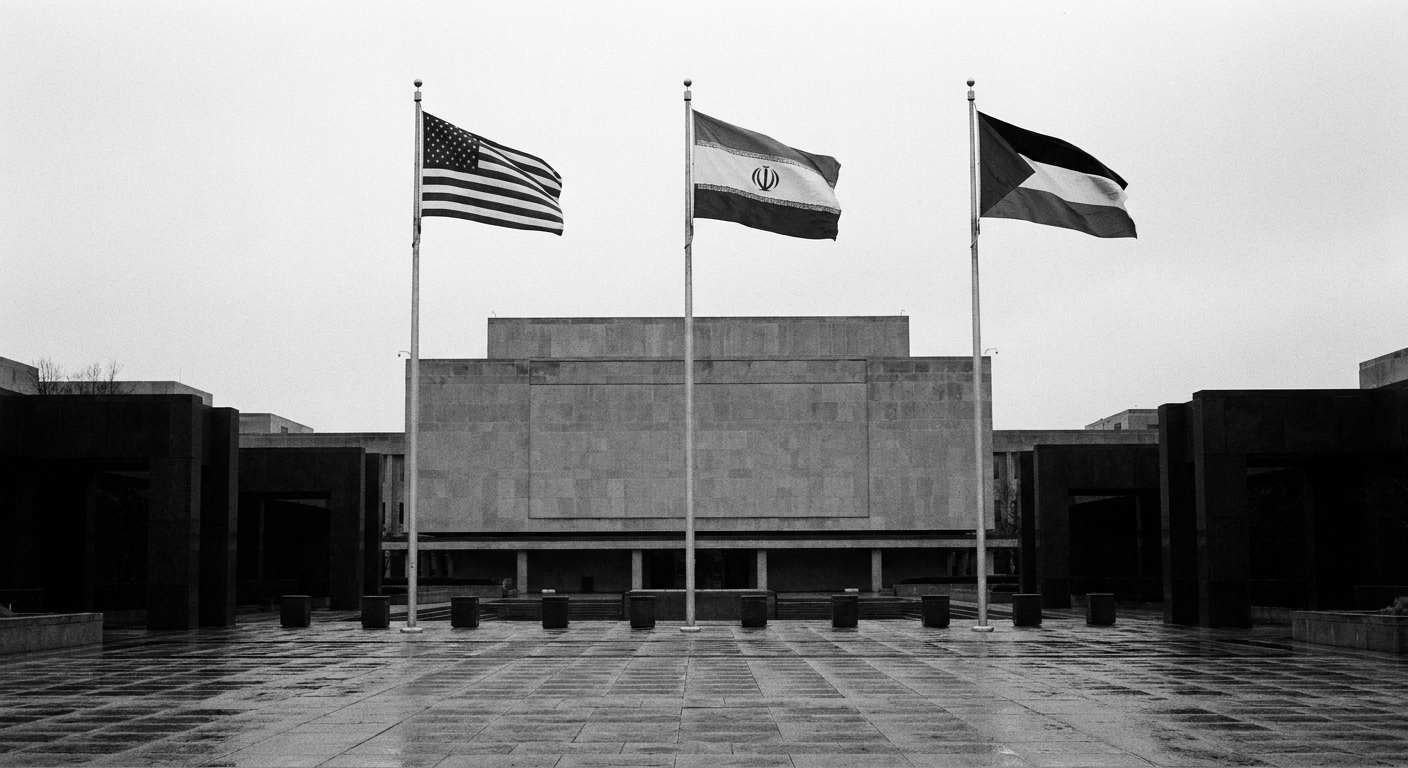
# Trump says Netanyahu will visit US as Iran, Gaza and Lebanon pressures mount
WASHINGTON, July 25, 2026, President Donald Trump said Israeli Prime Minister Benjamin Netanyahu will visit the United States next week, a meeting that would arrive as Washington faces simultaneous pressure over Iran, Gaza and Lebanon. The announcement puts the White House in the position of hosting Israel's leader while US policy is being tested across three linked fronts: military coordination with Israel, humanitarian pressure in Gaza and efforts to prevent a wider northern war.
Trump's confirmation matters because a Netanyahu visit to Washington is rarely only ceremonial. It gives both governments a stage to signal priorities, reassure domestic supporters and warn adversaries, while giving critics in Congress and foreign capitals a visible target for demands that the United States restrain Israel's military campaign.
The reported timing is especially sensitive. The source summary describes escalating US-Israeli strikes on Iran after a failed ceasefire, continuing Israeli military operations in Gaza and stalled withdrawal negotiations in southern Lebanon. Any one of those would be enough to dominate a high-level visit; taken together, they turn the trip into a test of whether Washington can support Israel without being pulled deeper into a regional conflict.
Washington's three-front Israel problem
For the White House, the immediate challenge is sequencing. A public meeting with Netanyahu can reinforce deterrence against Iran and its allied groups, but it can also complicate diplomacy if Arab governments, European partners or members of Congress read it as a blank check for further military action.
The Iran file sits at the top of that concern. If US-Israeli strikes are continuing after a failed ceasefire, Washington is no longer just managing support for an ally; it is managing the risk of direct escalation with a regional power. That raises questions for the Pentagon about force protection, for the State Department about coalition diplomacy and for the National Security Council about how to define the limits of US involvement.
Gaza adds a different form of pressure. Israeli operations there have already become a central issue in Washington's debate over arms transfers, humanitarian access and the legal boundaries of US support. A Netanyahu visit would likely sharpen scrutiny from lawmakers who want tougher conditions on military aid, as well as from those who argue that Israel needs more freedom of action while hostages remain unresolved and ceasefire talks stall.
Southern Lebanon is the third pressure point. Stalled withdrawal negotiations there signal that the conflict with Hezbollah-linked forces has not been contained by diplomacy. For Washington, the danger is that a Gaza-centered war continues to bleed into the Israel-Lebanon border, forcing US officials to divide attention between a ceasefire track, deterrence messaging and the protection of American assets in the region.
Congress and the arms question
Netanyahu's visit will also land inside a divided Washington debate over weapons. The United States remains Israel's central security partner, and any report of continued arms shipments carries political weight because it connects battlefield decisions abroad to congressional oversight at home.
The split is not only partisan. Some lawmakers frame military support for Israel as essential to US credibility and deterrence, especially if Iran is seen as testing American resolve. Others argue that arms transfers should be tied more explicitly to humanitarian access in Gaza, civilian protection and a clearer Israeli plan for ending major operations.
That debate gives Netanyahu both an opportunity and a risk. A Washington visit lets him make Israel's case directly to the administration and to members of Congress, but it also invites public questioning about Gaza's humanitarian conditions, Lebanon de-escalation and whether further strikes on Iran would serve a defined strategic objective.
The administration's message will matter as much as the meeting itself. If Trump frames the visit around deterrence and alliance solidarity, regional actors may conclude that Washington is preparing for a harder line. If he emphasizes ceasefire diplomacy, aid access and limits on escalation, the trip could become a pressure mechanism on Netanyahu rather than a show of unconditional alignment.
Regional rivals will read the optics
Iran, Hezbollah and other armed groups will watch the visit for signs of US intent. A joint appearance that stresses military coordination could be read as a warning that Washington is willing to absorb more regional risk. A more cautious statement could be interpreted as evidence that the United States wants to keep the conflict bounded.
US partners in the Gulf and Europe will make their own calculations. Governments that depend on Washington for security may welcome a clear deterrent message, but they also have an interest in preventing a broader war that could threaten energy markets, shipping routes and domestic stability. That is where US diplomacy has to operate: close enough to Israel to preserve deterrence, but not so close that every Israeli decision becomes an American one.
For Israel, the company-equivalent actor at the center of this
story is the Netanyahu government itself.
If the visit produces stronger US backing, Netanyahu gains political and military
room at home. If it produces visible US demands on Gaza, Lebanon or Iran, he may face pressure from coalition partners who oppose restraint and from security officials who want American support preserved.
The wider defense and regional security sector will also take cues from the trip. Any hint of expanded US arms commitments would affect defense planning, congressional calendars and allied procurement assumptions. Any hint of restraint could shift attention toward diplomacy, air-defense replenishment and humanitarian logistics rather than offensive operations.
The clearest test by August 1 will be whether the White
House, State Department and congressional leaders describe Netanyahu's visit as a platform for expanded military coordination or as a vehicle for de-escalation. If Washington and Israel issue a joint message that prioritizes strikes, deterrence and new military commitments, the macro effect would be a higher regional risk premium, the Netanyahu government would gain short-term strategic latitude, and the defense sector would expect continued demand for air-defense and precision-weapons support.
If the public message instead presses for a Gaza timeline, larger humanitarian
access and a Lebanon de-escalation plan, the macro effect would be a modest opening for diplomacy, Netanyahu would face a more constrained visit, and the wider security sector would shift focus toward sustainment, aid delivery and border stabilization.