Houthi strikes on Saudi Arabia put Washington’s Yemen balancing act under strain
Houthi attacks on Saudi Arabia after Hodeidah strikes sharpen a U.S. dilemma: support Saudi security while preventing a wider war in Yemen.
Lauren Collins ·
# Houthi strikes on Saudi Arabia put Washington’s Yemen balancing act under strain
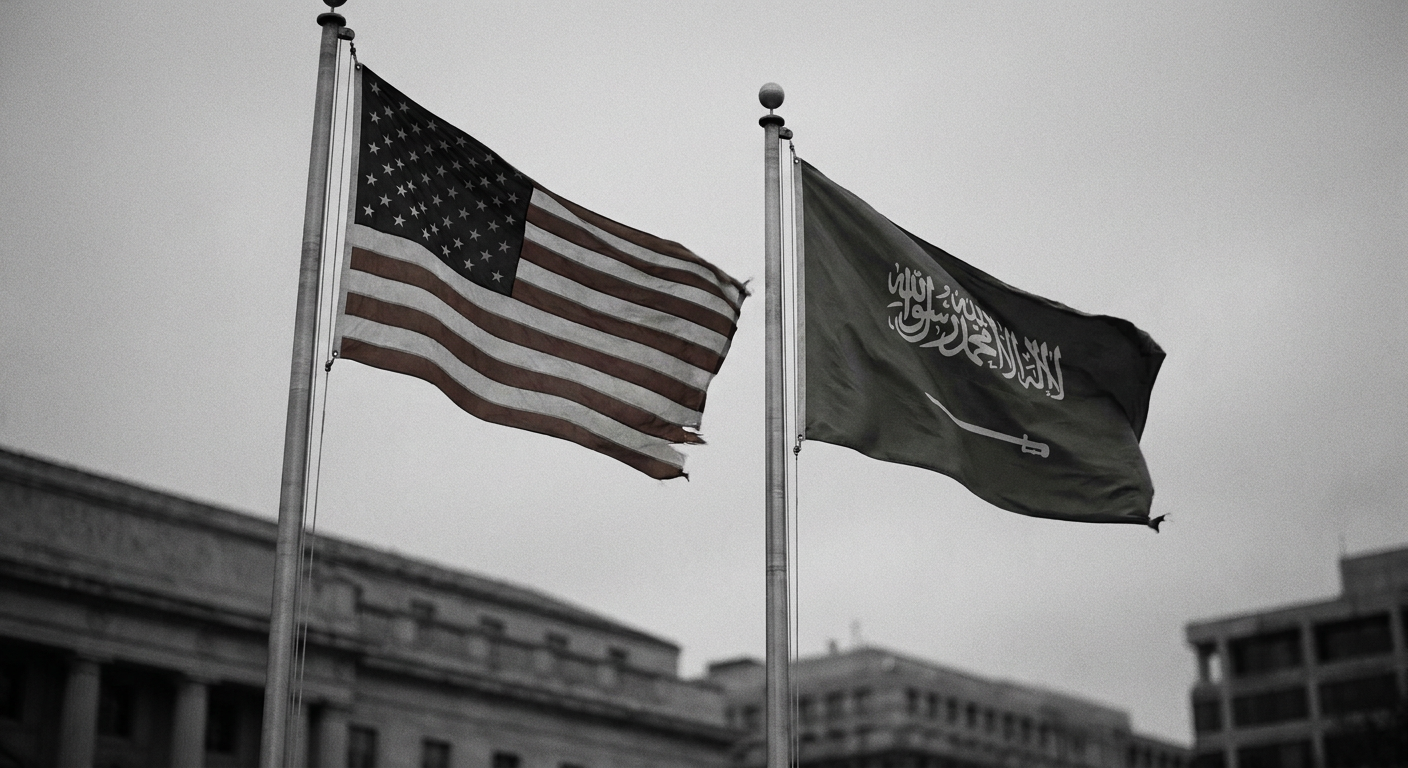
Washington faced a renewed Yemen test on Saturday, July 25, after Yemen’s Houthis said they fired missiles and drones at Saudi Arabia in response to recent strikes on Hodeidah. The attacks challenge a U.S. policy that has tried to protect Saudi Arabia from cross-border fire while preserving diplomatic space to end one of the Middle East’s most destructive wars.
Saudi Arabia
The immediate U.S. problem is not only whether Saudi air defenses hold. It is whether a retaliatory cycle between the Houthis and the Saudi-led coalition pulls American diplomacy back into crisis management at a moment when Washington is also trying to contain Iran-linked pressure across the region.
Yemen’s war began as a domestic power struggle and became a regional conflict after the Houthis seized Yemen’s capital, Sanaa, and a Saudi-led coalition intervened in 2015 to support the internationally recognized Yemeni government. The Houthis control much of northern Yemen, including Sanaa, and have repeatedly used missiles and drones to hit Saudi territory during the war. Saudi Arabia has framed those attacks as a direct threat to its cities, energy infrastructure and border security.
Hodeidah sits at the center of the conflict because it is a Red Sea port city and a vital route for food, fuel and humanitarian supplies into Yemen. Strikes around Hodeidah carry military significance, but they also raise immediate civilian and aid concerns because Yemen’s population remains heavily dependent on imports and external assistance. Any escalation around the port can quickly move from a battlefield issue to a humanitarian and diplomatic emergency.
Saudi Arabia
For Washington, Yemen policy has rested on two commitments that often pull in different directions. U.S. officials have sought to reduce the war’s intensity through diplomacy, including support for ceasefire efforts and United Nations-led talks. At the same time, the United States has continued to view Saudi Arabia as a core security partner, especially when missiles and drones threaten Saudi territory or regional energy flows.
The Biden administration shifted U.S. policy in 2021 by ending American support for offensive operations in Yemen and revoking the Houthis’ foreign terrorist organization designation that had been issued at the end of the previous administration. Washington also appointed a special envoy for Yemen to push a negotiated settlement. Those moves signaled a desire to lower the temperature, but they did not remove the underlying security issue: the Houthis retained long-range strike capabilities, and Riyadh continued to rely in part on U.S. defense cooperation.
Iran’s role adds the regional layer Washington cannot ignore. The United States and Gulf governments have accused Tehran of supporting the Houthis with weapons, training or technology, while Iran has denied controlling the movement. The practical challenge for U.S. officials is that even limited Iranian help can complicate deterrence, because a Houthi launch from Yemen can create pressure on Saudi Arabia without requiring Iran to act directly.
Saudi Arabia has spent recent years trying to reduce the cost of the Yemen war while also repositioning itself diplomatically in the region. Riyadh has pursued de-escalation channels, including talks involving Iran, and has shown interest in a durable arrangement that protects its border without keeping Saudi forces locked into an open-ended Yemen campaign. Fresh Houthi strikes threaten that posture by forcing Saudi leaders to choose between restraint, retaliation and the credibility of their deterrent.
The Washington audience for this episode spans several power centers. The White House and National Security Council weigh regional escalation risk and the broader U.S. relationship with Riyadh. The State Department focuses on ceasefire diplomacy and humanitarian access. The Pentagon tracks air defense, weapons flows and risks to U.S. personnel or partners in the region. Congress, where Saudi policy remains contested, can press the administration either to strengthen defensive support or to limit cooperation tied to the Yemen war.
The most immediate impact falls on Saudi Arabia and the Houthis, but the wider sector risk is energy security. Saudi Arabia is one of the world’s central oil producers, and past attacks on Saudi infrastructure have shown how quickly Yemen-linked conflict can affect market psychology even when physical disruption is limited. Missile and drone salvos also reinforce the central defense lesson of the Yemen war: relatively low-cost weapons can impose expensive defensive burdens on states with advanced militaries.
For the Houthis, the attacks serve several purposes if their claim of retaliation holds. They signal that strikes on Hodeidah carry a price, show supporters that the movement can still reach Saudi territory, and strengthen the Houthis’ position in any future bargaining by demonstrating coercive capacity. The risk for the movement is that repeated cross-border attacks could harden U.S. and Saudi positions, narrow diplomatic channels and invite heavier military pressure.
The macro picture depends on whether this remains a contained exchange or becomes a sustained pattern. If Saudi Arabia limits its response and Washington channels pressure into quiet diplomacy, the effect may stay regional: higher alert levels, renewed ceasefire contacts and closer U.S.-Saudi coordination. If attacks widen or hit sensitive energy infrastructure, the consequences could reach oil markets, shipping risk assessments and broader U.S. efforts to prevent Iran-linked conflicts from merging into a single regional crisis.
By September 30, the clearest test will be whether the White House, State Department or Pentagon moves beyond routine condemnation into visible security or diplomatic steps tied to Saudi Arabia and Yemen. If Washington publicly reaffirms Saudi defense support, pairs that with pressure for restraint and helps revive ceasefire channels, the immediate crisis could reinforce a U.S. strategy of deterrence plus diplomacy; Saudi Arabia would gain reassurance, the Houthis would face a higher cost for cross-border attacks, and the wider defense sector would focus on air defense and counter-drone support. If U.S. statements stay perfunctory, Houthi launches increase or Saudi Arabia answers with broader strikes around Hodeidah, then Washington’s de-escalation approach will look weaker; Saudi leaders may lean harder on unilateral military options, the Houthis may see coercion as effective, and the region could face a renewed cycle of attacks, retaliation and disrupted diplomacy.