Trump ceremony puts Middle East deaths at center of Washington Iran debate
Trump’s attendance at a dignified transfer for fallen U.S. troops intensifies pressure on the White House to clarify its Iran strategy and policy.
Lauren Collins ·
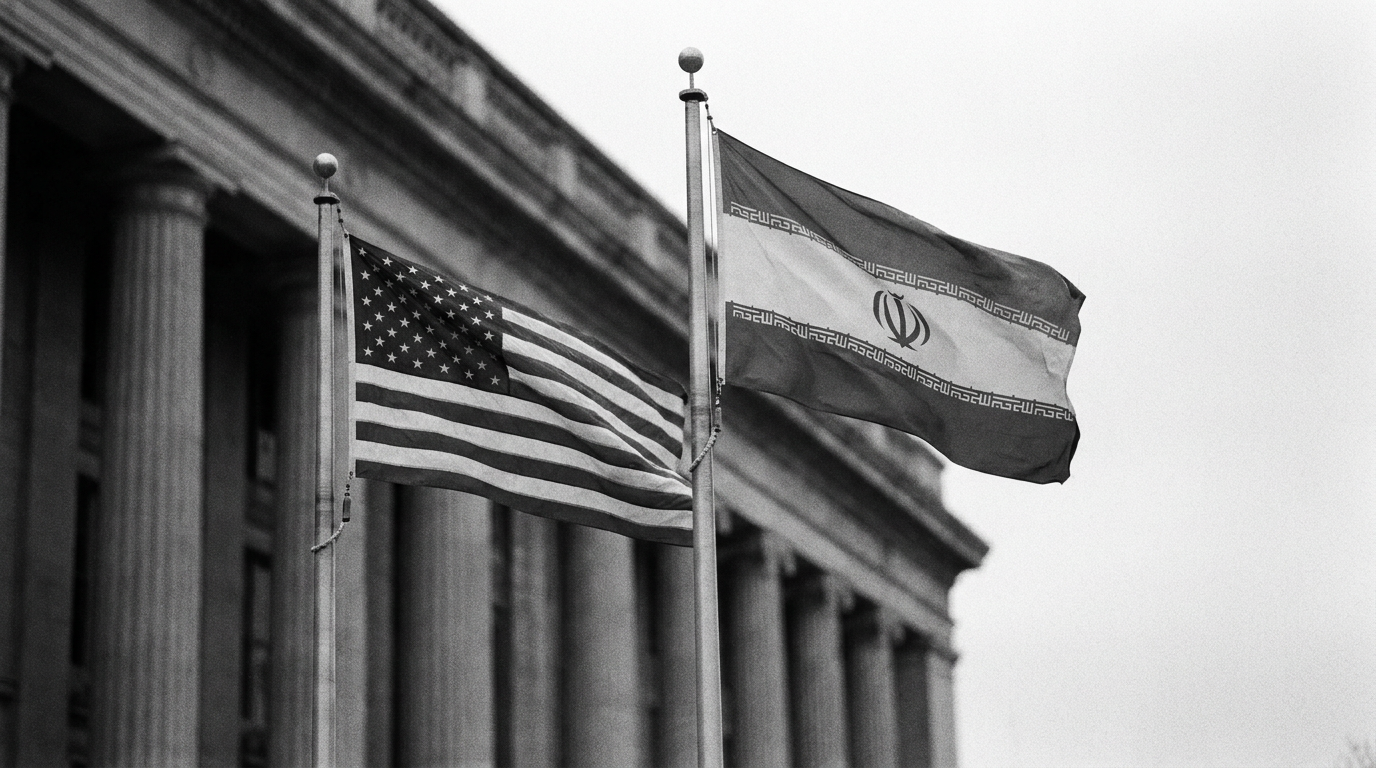
# Trump ceremony puts Middle East deaths at center of Washington Iran debate
WASHINGTON, July 22, 2026 — President Trump attended a dignified transfer for U.S. servicemembers killed in the Middle East, the third such ceremony he has attended since the start of the conflict with Iran, according to the provided report. The moment brings the war's human cost back into the center of Washington's debate over whether the administration is deterring Iran and aligned armed groups, or drifting into a cycle of retaliation without a clearer end state.
They remind the White House
The ceremony matters in Washington because dignified transfers are both military rituals and political signals. They remind the White House, Congress and the Pentagon that decisions made in the Situation Room are measured not only in strike packages, sanctions designations and public statements, but in families meeting aircraft carrying the remains of American personnel.
A dignified transfer is the solemn return of fallen U.S. servicemembers to American soil, traditionally conducted at Dover Air Force Base in Delaware. Presidents do not attend every transfer, so a president's presence can carry added weight, especially during a conflict in which the administration is trying to balance deterrence abroad with support at home.
The Middle East debate now moving through Washington has three centers of gravity. The White House and National Security Council shape the president's political and diplomatic options; the Pentagon manages force protection and military responses; Congress controls authorizations, oversight hearings and pressure through sanctions or funding bills.
Middle East
The pressure point is Iran. U.S. officials have long treated Tehran's regional network as both a direct security challenge and a diplomatic problem: armed groups can impose costs on U.S. forces and partners, while Iran itself can calibrate escalation without always crossing a threshold that triggers a larger conventional war.
That creates a hard policy question for the administration. If Washington responds too lightly, critics argue that attacks on U.S. forces become easier for adversaries to absorb. If it responds too heavily, the United States risks widening a conflict that the White House may still be trying to contain.
Congress is likely to read the president's appearance through its own divide. Defense hawks will press for sharper retaliatory options against Iran-linked targets, while war-powers skeptics will demand a clearer legal and strategic rationale for any expanded campaign. Both camps can use the ceremony to argue that the current approach is not enough, even if they disagree on what should replace it.
The Pentagon's immediate concern is narrower but urgent: force protection. Every new death strengthens the case inside the building for changing posture, hardening bases, shifting air defenses or expanding the menu of targets available to commanders. Those steps can reduce exposure in the short term, but they can also signal escalation if not matched with diplomacy.
For the State Department, the same ceremony points to a different task. Diplomats would need to keep regional partners aligned, prevent a wider rupture in energy and shipping lanes, and preserve channels for messages to reach Tehran. The harder Washington leans into military retaliation, the more important those channels become.
The political challenge for Trump is that presidential grief rarely ends an argument; it intensifies it. Families and uniformed leaders often want clarity about mission and purpose. Lawmakers want answers about whether U.S. forces are being deployed with achievable objectives, adequate authorities and an exit strategy that matches the threat.
The administration's problem is not simply whether to strike back. It is whether it can describe the strategic sequence: what action is meant to deter, what diplomacy is meant to prevent, what Congress is being asked to support, and what outcome would let Washington say the risk to U.S. forces has been reduced.
By 2024-07-25, the clearest test will be whether the White House or Congress moves beyond case-by-case retaliation and signals a broader Iran policy through new sanctions proposals, military authorization language, public hearings or a diplomatic initiative involving regional governments. If such a shift appears, the ceremony will have marked a turning point in Washington's handling of the conflict: global markets would watch for lower or higher regional risk depending on whether the emphasis is diplomacy or force; the Trump administration would gain a clearer framework but own the consequences more directly; and the defense, energy and shipping sectors would start pricing a more durable U.S. posture. If no such shift appears and the response remains episodic, the forward call is wrong: the macro effect would be continued uncertainty rather than a defined escalation or de-escalation path, the White House would remain exposed to criticism from both hawks and restraint advocates, and the wider security industry would plan around recurring regional volatility rather than a settled strategy.