US Navy to Escort Ships in Hormuz Strait
The US Navy plans to escort ships through the Strait of Hormuz to secure global oil supply, following major disruptions and IEA emergency oil releases.
Lauren Collins ·
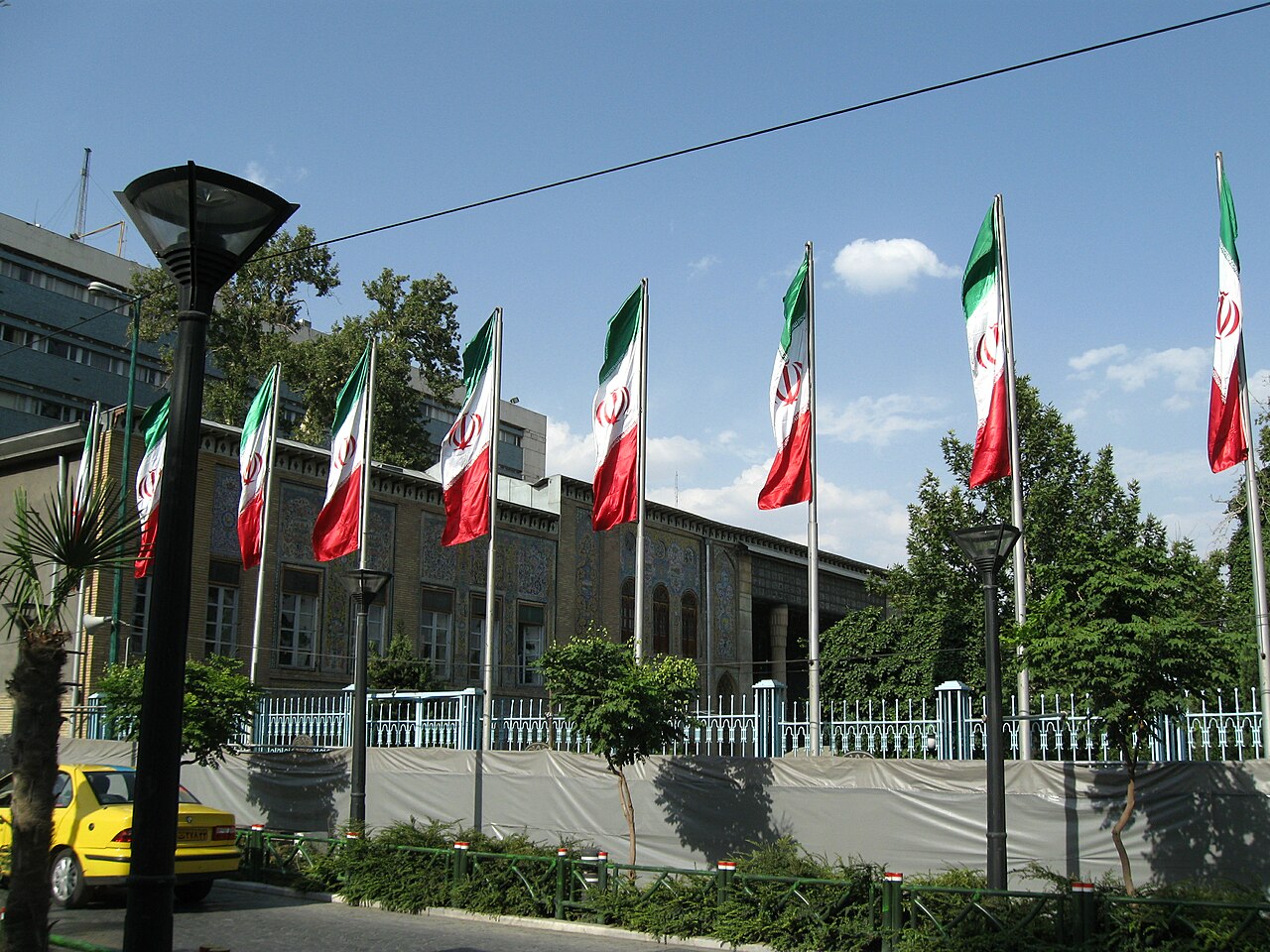
The United States Navy is preparing to initiate escort operations for commercial vessels transiting the Strait of Hormuz. This measure, announced by Treasury Secretary Scott Bessent on Thursday, aims to secure global oil supply routes that have been severely impacted by recent regional conflicts. The operation is contingent on achieving air superiority and neutralizing Iran's missile capabilities.
Energy Secretary Chris Wright indicated that these escort missions could commence by the end of the current month. However, military resources are presently concentrated on dismantling Iran's offensive military infrastructure. The Strait of Hormuz is a critical maritime chokepoint, through which approximately 20% of the world's oil supply typically passes.
Strategic Importance of Hormuz
Recent disruptions in the Strait have raised international concerns, particularly regarding potential mine-laying activities attributed to Iran. These incidents have led to significant volatility in global energy markets, with oil prices surpassing $100 per barrel.
Global Energy Market Response
In response to the escalating crisis, the International Energy Agency (IEA) characterized the situation as the most substantial supply disruption in history. The IEA coordinated an emergency release of up to 400 million barrels of oil from its member nations' strategic reserves. This action, requested by President Trump, is intended to serve as a temporary buffer against rapidly increasing global energy costs.
Operational Conditions for Escorts
Naval escorts will proceed once the U.S. military establishes complete control of the airspace over the region and ensures that Iran's missile reconstruction capabilities are fully degraded. This strategic prerequisite underscores the complex security environment in the Persian Gulf.
Impact on Shipping and Trade
For the past two weeks, non-Iranian energy cargoes have effectively been unable to traverse the Strait of Hormuz, exacerbating supply chain pressures and contributing to market uncertainty. The proposed escort operations seek to restore confidence and facilitate the safe passage of vital energy shipments through this crucial waterway.
International Cooperation Potential
The U.S. is considering forming an international coalition to support these escort efforts, signaling a broader collaborative approach to maritime security in the region. Such a coalition would aim to bolster the effectiveness and legitimacy of the protective measures.
Outlook for Regional Stability
The deployment of naval escorts represents a significant escalation in efforts to stabilize energy flows amid ongoing geopolitical tensions. The success of these operations will depend on the swift achievement of military objectives and the sustained commitment of international partners to ensure freedom of navigation in the Strait of Hormuz.
Implications
Country Impact: The United States' increased military presence in the Persian Gulf could heighten regional tensions, potentially drawing in other nations. This intervention aims to protect global economic interests but carries risks of further destabilization.
Industry Impact: The oil and gas industry faces reduced supply chain risks if escorts are successful, potentially stabilizing crude prices. However, increased shipping insurance premiums and operational costs for tankers are likely to persist.
Market Impact: Global energy markets could see some price stabilization if the Strait of Hormuz reopens reliably. Continued uncertainty or military setbacks, however, would likely lead to further price spikes and increased volatility in commodity futures.