Russia Calls for De-escalation in Iran Conflict
Russia urges the United States and Israel to cease military actions against Iran and engage in negotiations, citing humanitarian concerns.
Lauren Collins ·
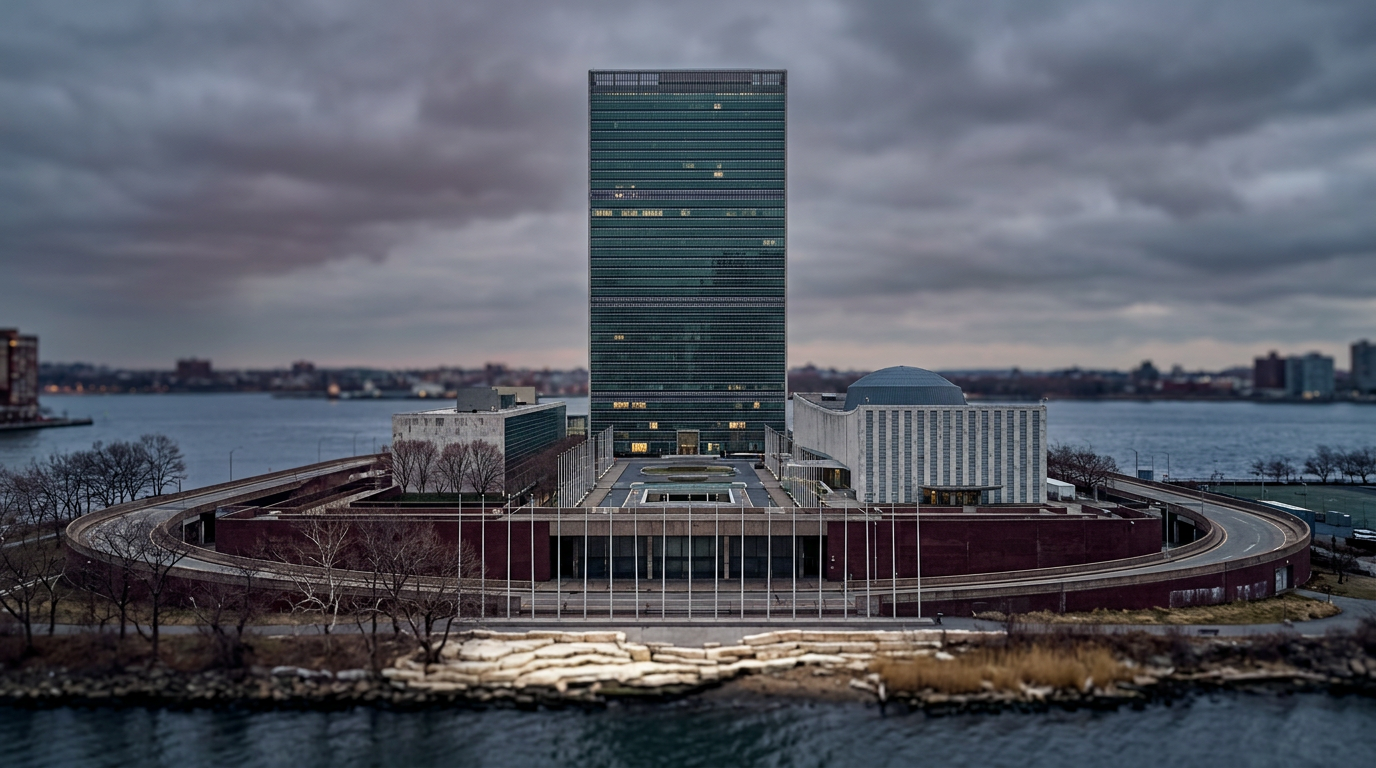
Moscow has urged an immediate cessation of military actions targeting Iran, specifically calling on the United States and Israel to pursue diplomatic solutions. On Thursday, March 12, 2026, Russian Foreign Ministry spokesperson Maria Zakharova emphasized the need for negotiations to resolve the escalating tensions in the Middle East. Russia affirmed its commitment to facilitating de-escalation efforts and promoting peaceful resolutions to regional disputes.
Moscow's Diplomatic Stance
Zakharova, speaking from Moscow, highlighted the reported civilian casualties in Iran, which Iranian authorities attribute to military operations conducted by Washington and Tel Aviv. While specific numbers were not independently verified by Russia, the statement underscored the humanitarian concerns arising from the ongoing conflict.
Regional Conflict Context
This diplomatic intervention by Russia occurs amidst a period of sustained military engagements across the Middle East. The broader regional instability has seen various actors involved in direct and indirect confrontations, contributing to a complex geopolitical landscape. Russia has historically maintained diplomatic ties with multiple parties in the region, positioning itself as a potential mediator.
International Calls for Dialogue
The call for negotiations aligns with broader international efforts to prevent further escalation in the Middle East. Many global powers have expressed concerns over the potential for wider conflict, advocating for dialogue and de-escalation as primary mechanisms for stability. The current situation involves intricate alliances and rivalries, making diplomatic breakthroughs challenging but essential.
Historical Precedent and Future Outlook
Russia's involvement in Middle Eastern diplomacy is not new, with Moscow frequently engaging in efforts to broker peace or manage conflicts in the region. Its current appeal for a halt to military actions and a shift towards talks reflects a consistent foreign policy objective to maintain a degree of influence and stability in a strategically vital area.
The effectiveness of this call will depend on the willingness of all involved parties to engage in constructive dialogue and de-escalate military postures.
Implications
Country Impact: Russia's diplomatic push aims to reinforce its role as a key player in Middle Eastern security, potentially influencing regional power dynamics. For Iran, it offers a degree of international support against perceived external military pressure. The United States and Israel face renewed diplomatic pressure to justify their actions and consider alternative approaches.
Industry Impact: Continued instability in the Middle East, particularly involving Iran, could impact global energy markets due to the region's significant oil and gas production. Defense industries might see sustained demand, while sectors reliant on stable trade routes could face disruptions.
Market Impact: Geopolitical tensions in the Middle East typically lead to increased volatility in global financial markets, particularly in oil prices and safe-haven assets. Investor confidence may be affected by the uncertainty surrounding potential escalation or de-escalation of conflicts.