Trump Nominee Withdraws Amid Bipartisan Opposition
Trump nominee Jeremy Carl withdrew his State Department candidacy on March 10, following bipartisan opposition over past comments on Jewish people and…
Lauren Collins ·
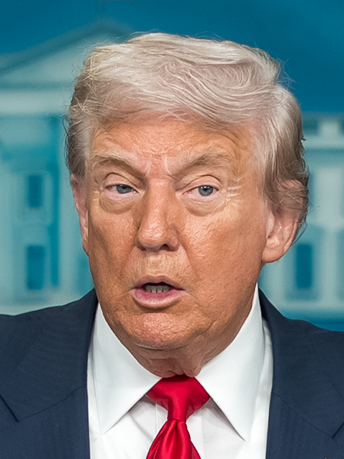
Jeremy Carl, a nominee for a key State Department position, withdrew his candidacy on Tuesday, March 10. His withdrawal followed significant bipartisan opposition in the Senate, primarily concerning his past public statements on Jewish communities and immigration policies.
Carl, who was President Donald Trump's selection for Assistant Secretary of State for International Organizations, cited a lack of unanimous Republican backing within the Senate Committee on Foreign Relations as the decisive factor. This development highlights internal divisions within the Republican party regarding certain appointments.
Concerns Over Past Statements
During his confirmation hearing in February, Carl faced intense scrutiny from lawmakers regarding his previous remarks. Senator John Curtis (R-Utah), a member of the Foreign Relations Committee, publicly voiced concerns about Carl's "anti-Israel views" and "insensitive remarks" directed at Jewish individuals.
Lawmakers also questioned Carl extensively on his past comments related to the "great replacement theory." This theory posits that there is a deliberate effort to diminish the influence of white populations through immigration.
Carl acknowledged making some statements he deemed regrettable, including those that appeared to minimize the historical impact of the Holocaust. He also stated his belief that Democratic immigration policies had "certainly sent signs" of an intent to replace white Americans.
Professional Background and Political Context
Prior to his nomination, Carl held a senior fellow position at the conservative Claremont Institute think tank. He also served in the Trump administration during its first term as a deputy assistant secretary of the interior.
This withdrawal is notable as it represents an infrequent occurrence of Republican senators opposing a Trump administration nominee. Historically, the Republican-controlled Senate has largely supported the President's selections for various governmental roles.
Implications for Future Nominations
The bipartisan nature of the opposition to Carl's nomination suggests a potential shift in the Senate's approach to vetting candidates, particularly those with controversial public records. It underscores the importance of a nominee's past statements and their alignment with broader political and social sensitivities.
This incident could influence future nomination processes, prompting administrations to more carefully consider candidates' public histories to avoid similar challenges. The episode also reflects the ongoing political polarization in the United States, where past comments can significantly impact a nominee's viability.
Implications
Country Impact: The withdrawal highlights internal divisions within the Republican party and the increasing scrutiny of nominees' past public statements, particularly on sensitive social and political issues. This could influence future presidential nominations and confirmation processes.
Industry Impact: Think tanks and policy organizations may face increased scrutiny regarding the public statements of their fellows and researchers, as these can impact their members' eligibility for government appointments. This could lead to more cautious public commentary from affiliated individuals.
Market Impact: While not directly impacting financial markets, the event signals potential political friction within the U.S. government, which can indirectly contribute to policy uncertainty. Such political developments are often monitored by investors for broader governance stability indicators.