Trump-Xi Beijing Talks Focus on Strait of Hormuz Dispute
U.S. President Trump meets Chinese President Xi in Beijing, seeking China's help to resolve the Strait of Hormuz blockade.
Lauren Collins ·
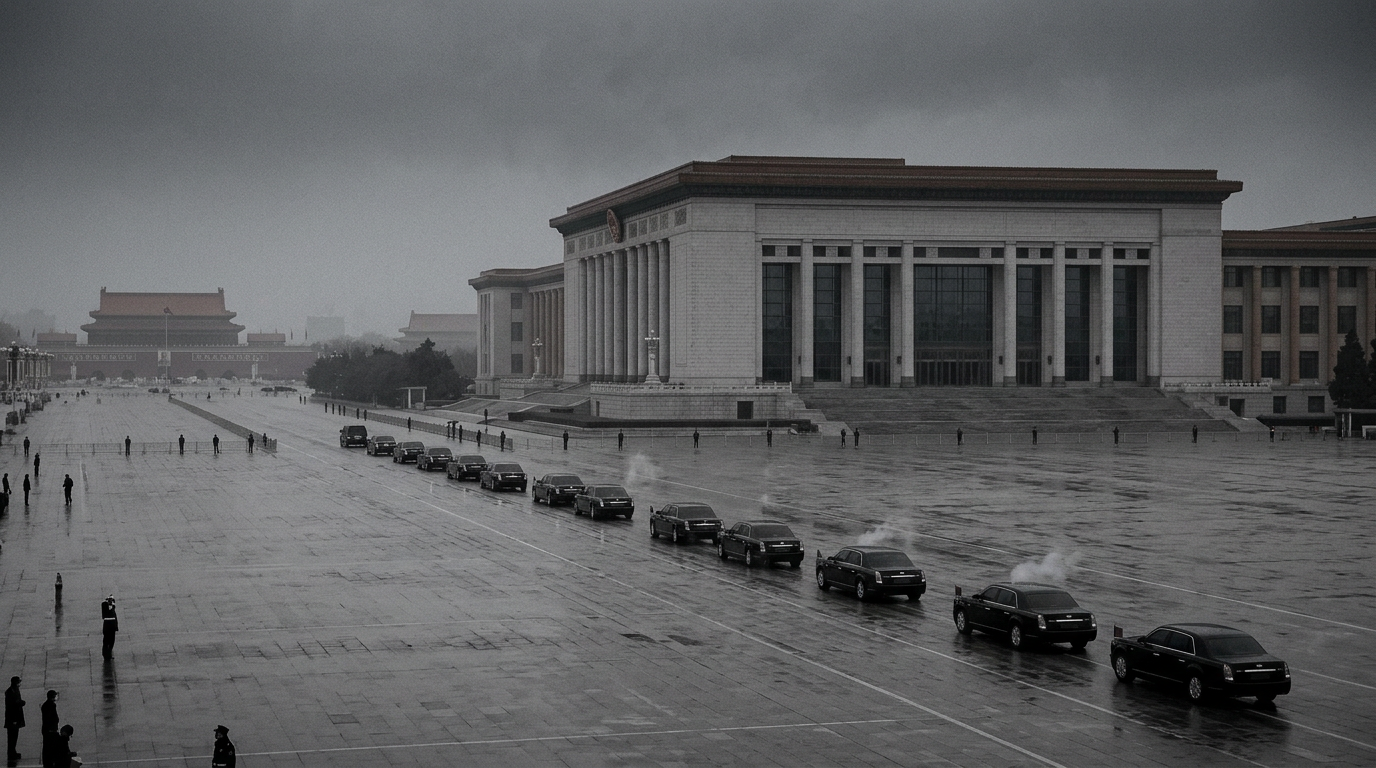
U.S. President Donald Trump and Chinese President Xi Jinping are scheduled to hold talks in Beijing from May 13-15, following Trump’s arrival in China for his first state visit since returning to office.
U.S. officials have signaled the Strait of Hormuz crisis will be a central topic, after Iran blocked the waterway in retaliation for U.S.
military actions in the Middle East. Secretary of State Marco Rubio and Treasury Secretary Scott Bessent have publicly urged China to use its influence with Iran to help reopen the route.
The blockage has rerouted dozens of vessels and has rippled through global energy markets, raising broader concerns about supply and shipping disruption. The U.S. push for Chinese involvement comes as Washington and Beijing continue to clash over technology restrictions and other issues, complicating efforts to coordinate on a major security and economic shock.
The article describes Beijing as less exposed to immediate economic damage than Washington has suggested, citing stockpiling and more diversified supply chains. That resilience, it says, may give China more room to set conditions for any diplomatic role it plays.
U.S. officials ask Beijing to press Iran
Washington is seeking help to de-escalate a confrontation that has intensified after U.S. military actions in the Middle East and Iran’s subsequent move to close the strait. The strait is a key route for energy shipments, and the diversion of traffic has added strain to already volatile markets.
In public statements referenced in the article, Rubio and Bessent appealed for China to persuade Iran to reopen the waterway. The article frames the request as an unusual moment in which U.S. officials are asking for Beijing’s cooperation even as the broader relationship remains tense.
China’s conditions and Taiwan likely to surface
The article says China has engaged with Iran and may seek a wider “grand bargain” rather than a narrow agreement limited to reopening the strait. It describes possible elements as a cessation of U.S. hostilities against Iran, the lifting of sanctions, and a new Middle East security framework.
Beyond Hormuz, the article says China’s long-term strategic focus remains Taiwan and that Beijing is expected to press the U.S. to state explicit opposition to Taiwan independence. It adds that Beijing views Taiwan as a core interest and is unlikely to accept U.S. efforts to tie Taiwan to cooperation on Hormuz or other issues.
Officials have not publicly detailed outcomes expected from the Beijing talks, and markets will be watching for any sign of a pathway to reopening the Strait of Hormuz or a broader reduction in tensions.